14-19 Jun 2026
6 Days
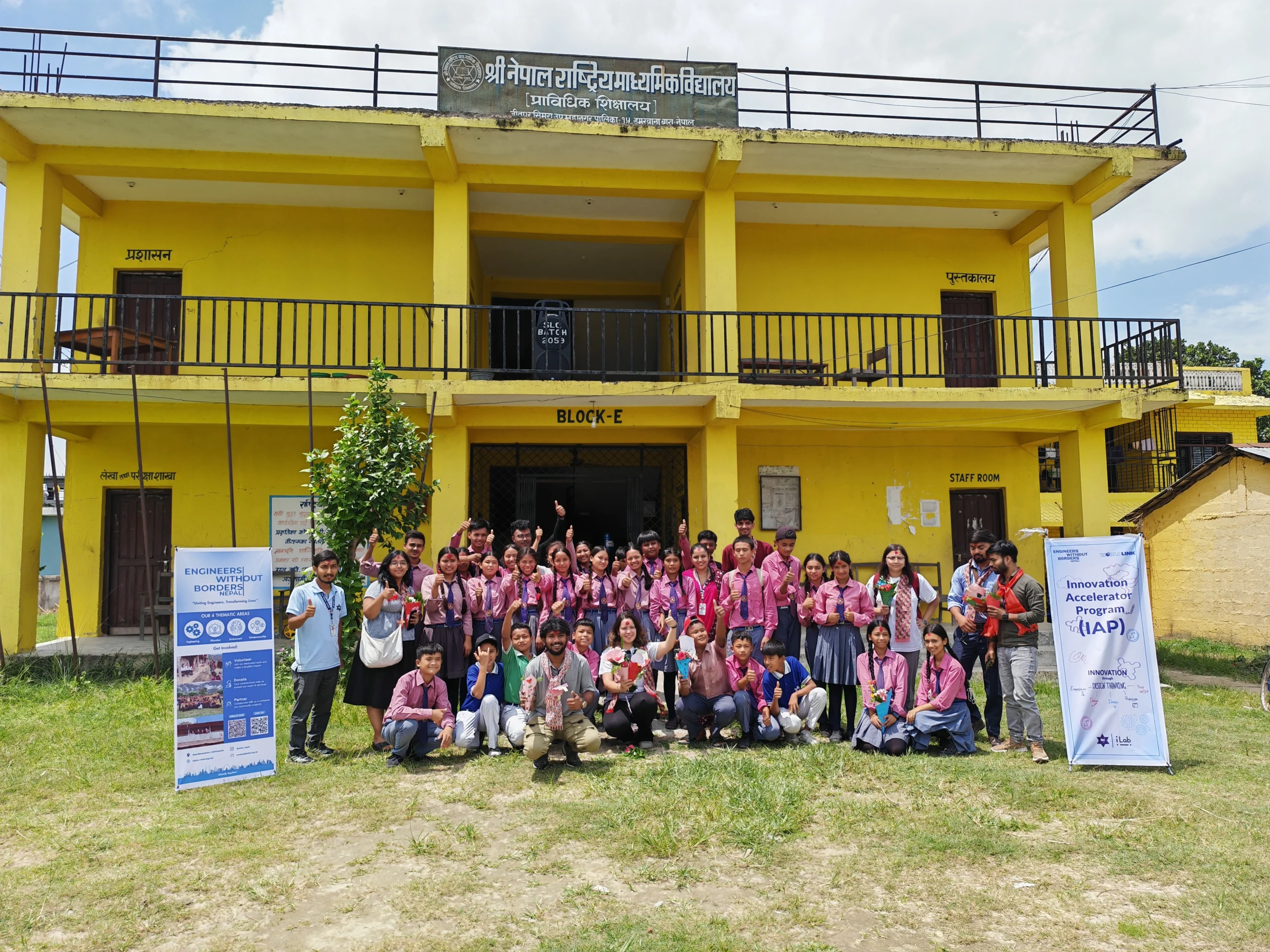
The i-Lab pilot at Shree Karnali Secondary School, Chandannath-2, Jumla aimed to address gaps in learning quality by providing Grade 9 students with hands-on, experiential learning through a school-based makerspace and a six-day Innovation Accelerator Program (IAP). Forty-seven students participated, organized into five teams focused on locally relevant challenges in Agriculture, Art & Culture, Education, Environment, and Health.
The i-Lab (Innovation Lab) model shifts learning from rote memorization to hands-on making, and from copying to creating. By establishing a school-based makerspace, delivering a structured Innovation Accelerator Program grounded in design thinking and applied engineering, and providing post-program teacher support, the i-Lab embeds continuous innovation cycles within everyday school practice.
The project aligns closely with the School Education Sector Plan (2022–2032) by operationalizing its priorities at the school level, specifically contributing to improved classroom practice, expanded experiential and project-based learning, and strengthened inclusion and equity.
iLab Maker-space Setup
The i-Lab makerspace was established within the school using available space and adaptable infrastructure. It was equipped with essential tools, materials, and low-cost resources to support hands-on experimentation, collaboration, and safe prototyping.
Student Enterprise Groups
Each student team developed solutions based on local challenges. During the six-day Innovation Accelerator Program, five student teams worked under the thematic areas of Agriculture, Art & Culture, Education, Environment, and Health.
Agriculture1. Soilmates
Main problem
Jumla farmers producing high-quality spices like timur and jimbu receive only a small share of the final market value due to intermediaries, while consumers have no way of knowing who grew their spices or how.
Solution
A spice branding and packaging initiative that connects farmers directly with consumers by showcasing the identity and story behind every product, rather than promoting middlemen.
Key features
Art and Culture2. Aranya Sugandhup
Main problem
Valuable by-products such as apple peels and aromatic herbs are discarded as waste, while visitors leave Jumla without a meaningful souvenir that reflects the region’s cultural heritage.
Solution
Sugandhup, a handcrafted incense made from apple peels, dhupi salla, rose petals, cinnamon, and local aromatic herbs, created by a team of deaf students.
Key features
Education3. Sikshya Yatra
Main problem
Lecture-based teaching leaves little room for hands-on learning, and students have limited access to educational games that build teamwork and critical thinking.
Solution
An interactive, STEAM-based educational board game inspired by Ludo, which students assemble from mechanical components before playing quiz-based rounds.
Key features
Environment4. Green Gems
Main problem
Locally available resources such as green walnut husks and apple peels go unused, while farmers and households lack affordable tools to check soil quality.
Solution
Two products: Sunaulo Mehendi, a natural henna alternative made from green walnut husks, and Rang Soochak, a low-cost soil indicator paper made from turmeric and boiled apple peels.
Key features
Health5. Dr. Tracker by Kanjirowa Safety Trek
Main problem
Karnali is a popular trekking destination, but emergency preparedness remains limited — delayed communication can increase risk and slow rescue in remote mountainous areas.
Solution
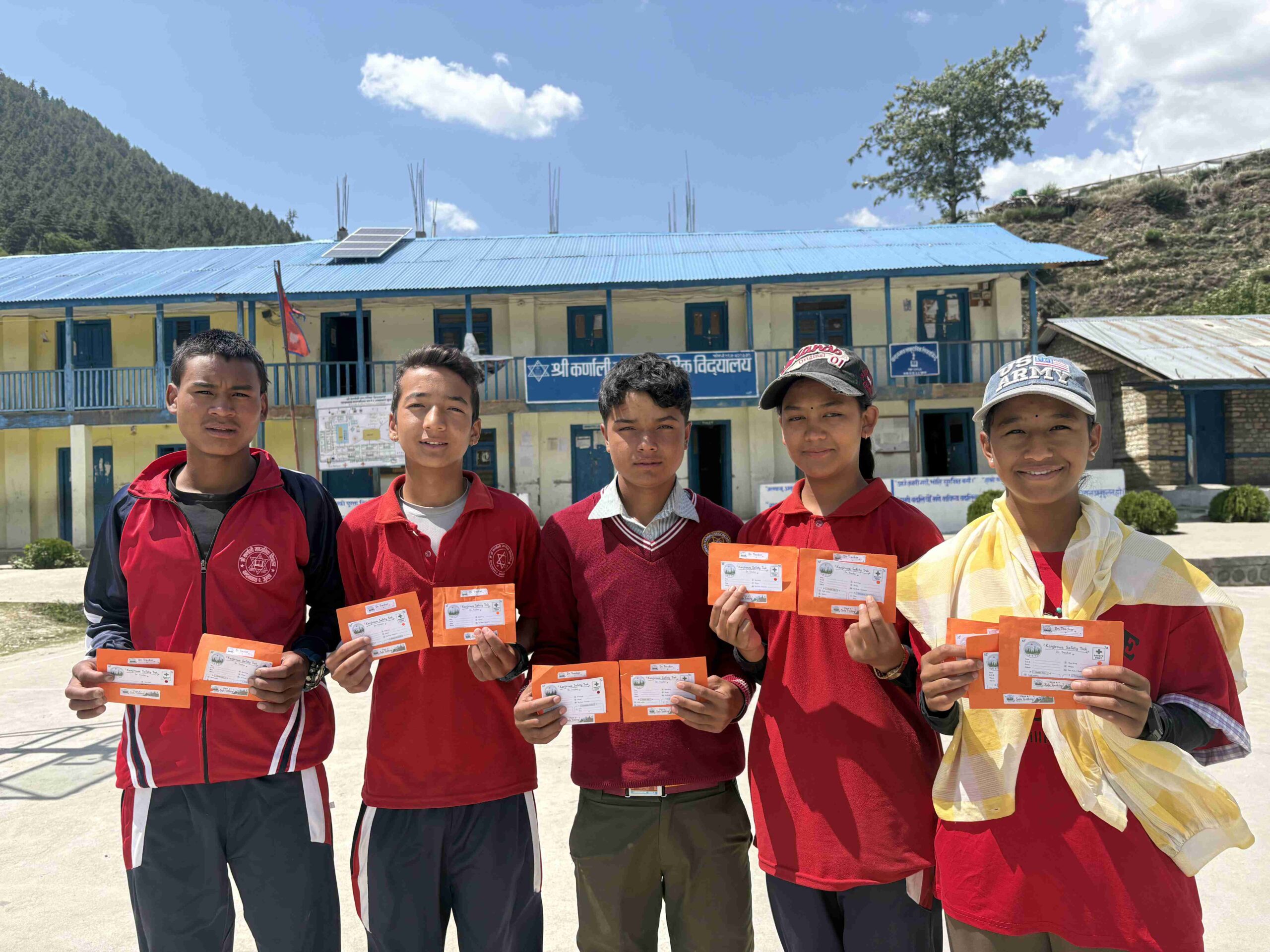
Dr. Tracker, a compact emergency safety card with a built-in siren that helps trekkers attract nearby help when lost or in danger.
Key features
Expected Outcome
Picture Gallery
EWB Nepal comprises a diverse community of volunteers, members, supporters, professionals, and academics. By making a contribution, you are supporting a global network of people passionate about using their engineering skills to solve humanitarian challenges.