March 27, 2026
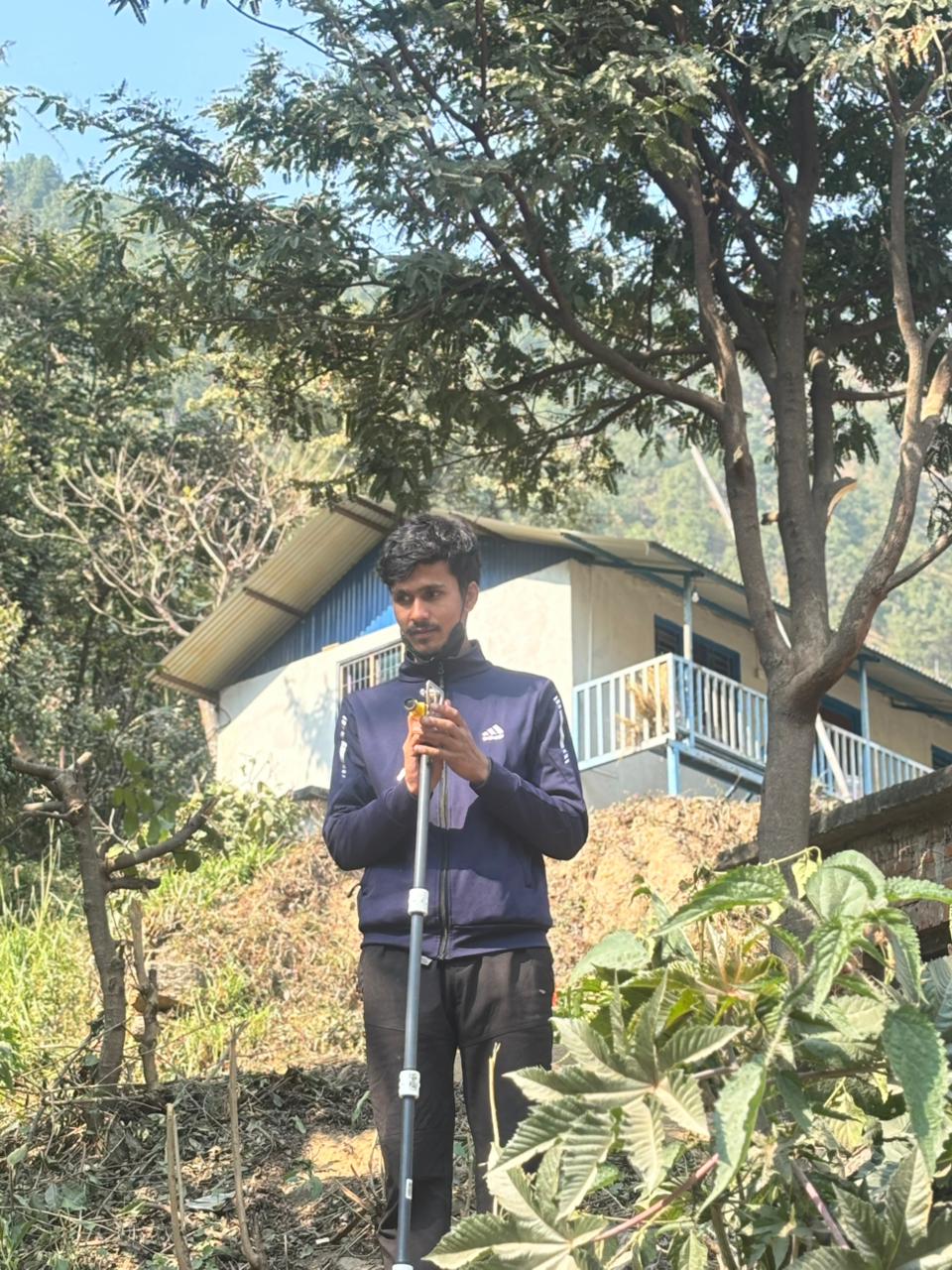
I had the opportunity to volunteer in a WASH (Water, Sanitation, and Hygiene) project jointly organized by EWB Nepal and the University of California, Berkeley at Shree Roshi Secondary School. This experience became one of the most valuable learning journeys of my academic life, allowing me to connect classroom knowledge with real world practice.
Early Interactions and Learning
The journey began on January 5, 2026, when I met the UC Berkeley chapter team. On the same day, we had an insightful session with Mr. Bhojraj Poudel, who shared perspectives on Nepal’s socio-economic history, development milestones, and policy changes. His session helped us understand how infrastructure, economy, and social development are closely linked.
On January 7, 2026, a welcome program was held with the UC Berkeley team. As local volunteers, we were assigned to support them with translation and coordination. Later that day, we participated in a Choosing by Advantages (CBA) exercise. Through a simple example of selecting a company vehicle, we learned how different priorities lead to different decisions and how structured discussion helps identify the most practical option.
Journey to Roshi and Project Orientation
On January 8, 2026, we departed from Kathmandu with the Berkeley team and met Prof. Achyut Prasad Wagle, Dean of Kathmandu University, along the way. His message emphasized the importance of long term, sustainable projects and collective effort rather than dependency on short term support.
We reached Shree Roshi Secondary School in the afternoon and met the principal and teachers to discuss project goals. Our stay in Roshi lasted from January 8 to January 16, during which we were deeply involved in fieldwork.
Fieldwork and Ground Reality
We carried out site clearance in areas where new toilets for girls, boys, and staff are planned. Measurements were taken of the existing toilets, and surveys were conducted among students to understand their experiences. The findings revealed major challenges: insufficient toilets, long waiting times, poor conditions, and wastewater being discharged openly behind the toilet block.
To ensure a safe and sustainable sanitation solution, we conducted percolation tests to study soil infiltration and avoid future contamination of drinking water sources. We also performed a GNSS survey and leveling using an Abney level to understand site conditions and support system planning.
Learning from an Existing Project
During our stay, we visited Shree Mathurapati Secondary School, where a Rainwater Harvesting System completed by the University of California, Florida chapter is in use. Seeing a completed project helped us understand how proper planning and community coordination lead to sustainable outcomes. This visit helped us visualize how the WASH project at Shree Roshi could successfully progress from planning to implementation.
Decision-Making Using CBA
With guidance from mentor Hoa Lam, we applied the CBA method to select the most suitable sanitation system. Factors such as operation and maintenance, reliability, adaptability, user experience, constructability, and long term durability were discussed. Through open debate, priorities were finalized, teaching us how balanced decision making leads to effective solutions.
Innovation Lab and Student Engagement
Another highlight was the Innovation Lab (iLab) conducted by EWB Nepal in collaboration with Karyashala. Over five days, students worked on solutions in Agriculture, Health, Tourism, Education, and Environment. Their innovations ranged from an organic pesticide sprayer and pollution masks to educational games and furniture made from waste plastic bottles. Mentoring these students and preparing them for the final exhibition was deeply rewarding.
Reflection
This volunteer journey transformed my understanding of engineering and development work. Field surveys, teamwork, and community interaction showed me how projects are planned, executed, and sustained. I am grateful to EWB Nepal, the UC Berkeley team, and Karyashala for teaching lessons beyond textbooks. This experience reinforced my belief that meaningful development begins with collaboration, learning, and shared responsibility.
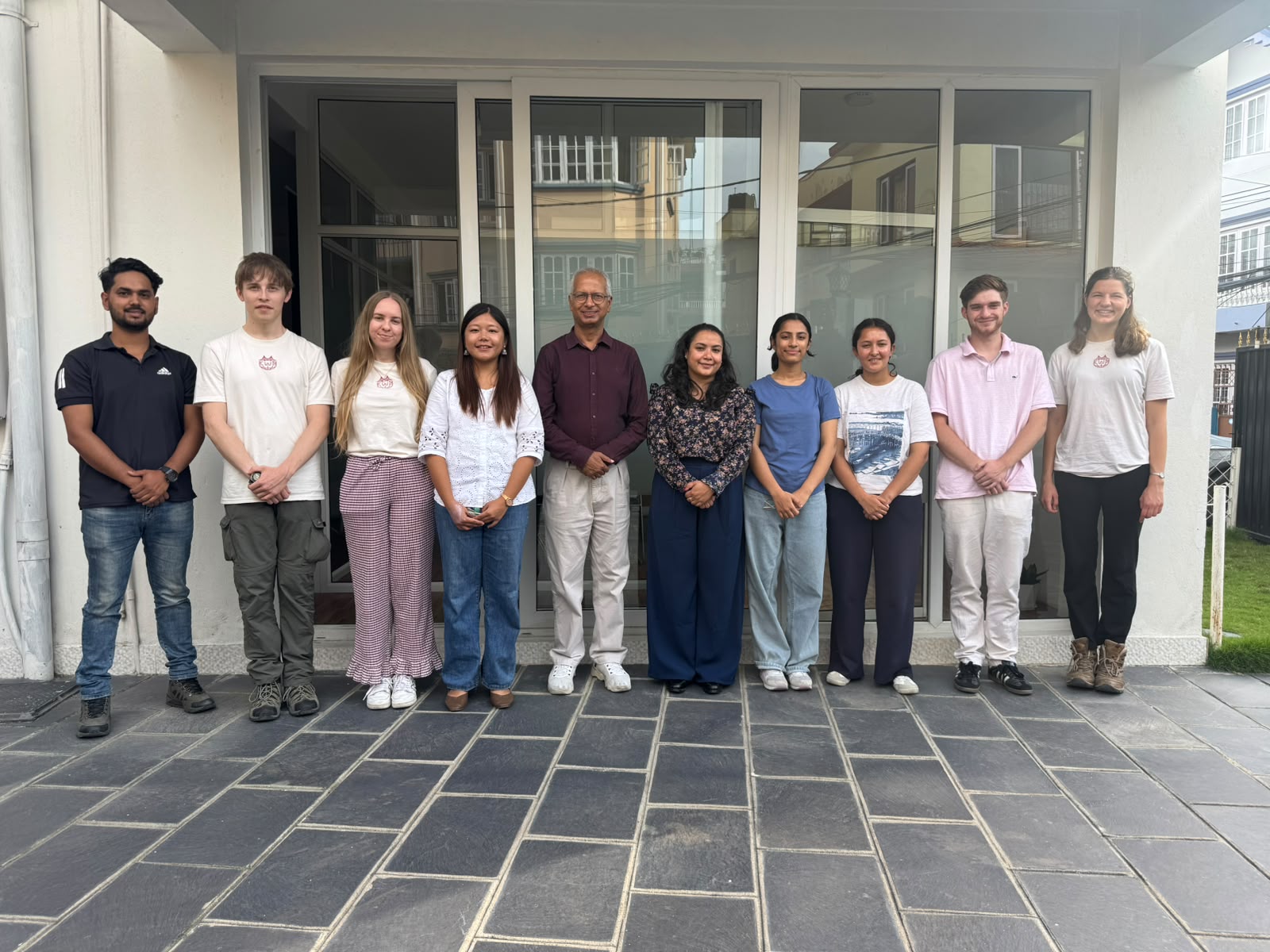
On September 22, three members of Engineers Without Borders (EWB) KIT, Germany, visited the EWB…
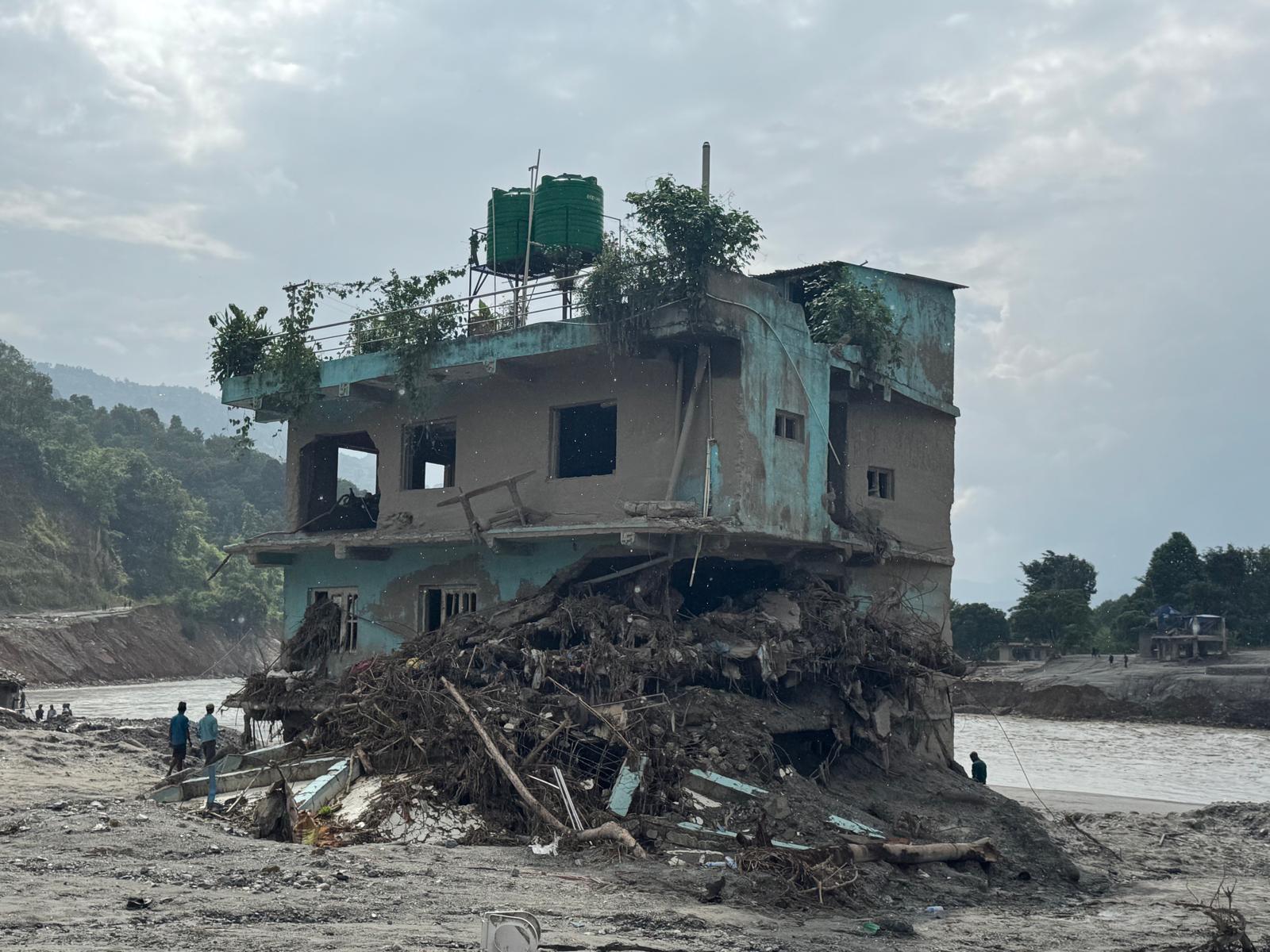
It is one thing to read about a flood. It is another to stand in…
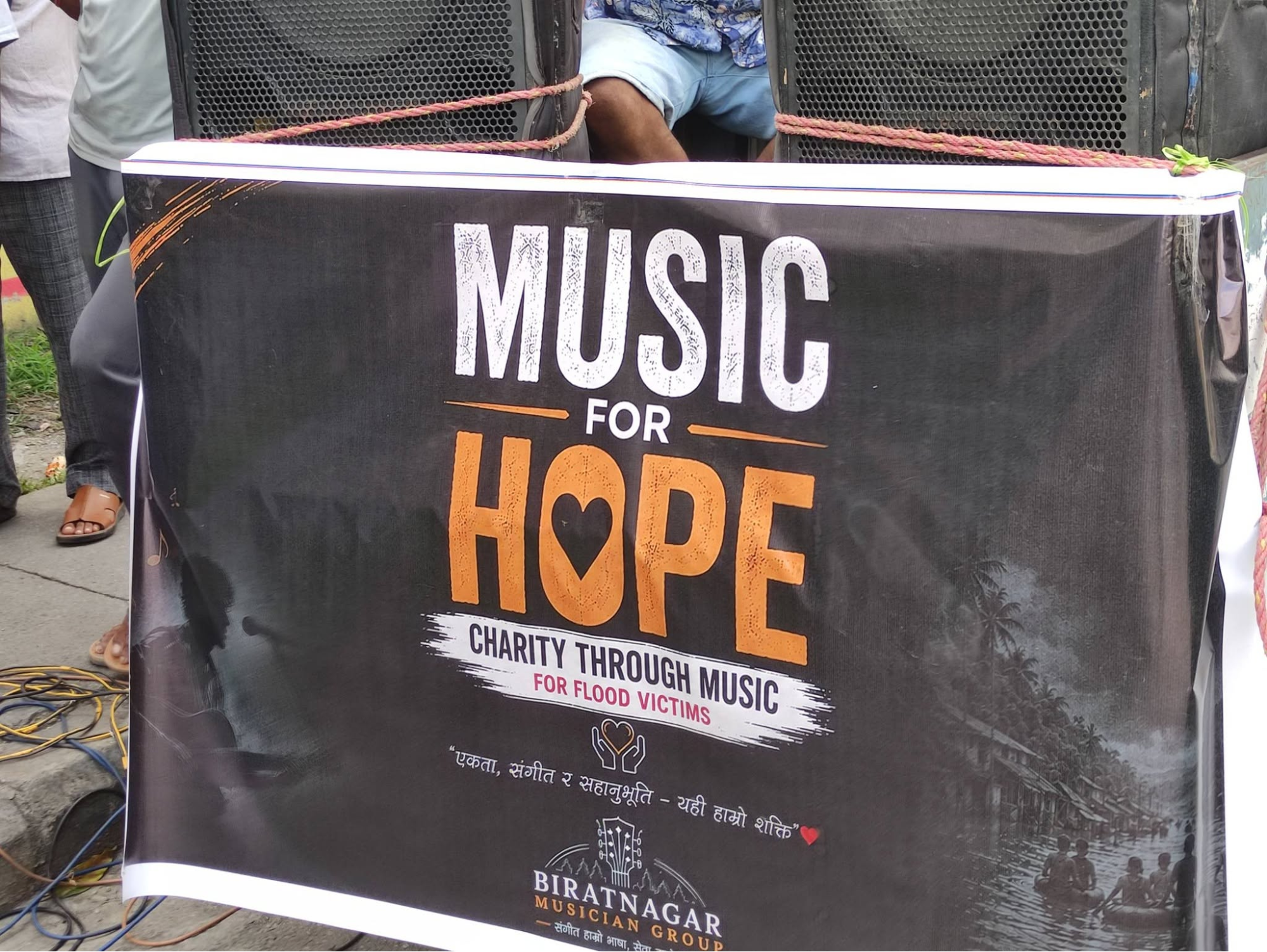
Biratnagar | 2 September 2026 When a disaster happens far from home, there are only…