March 26, 2026
Collecting data and community perspectives to guide effective solutions
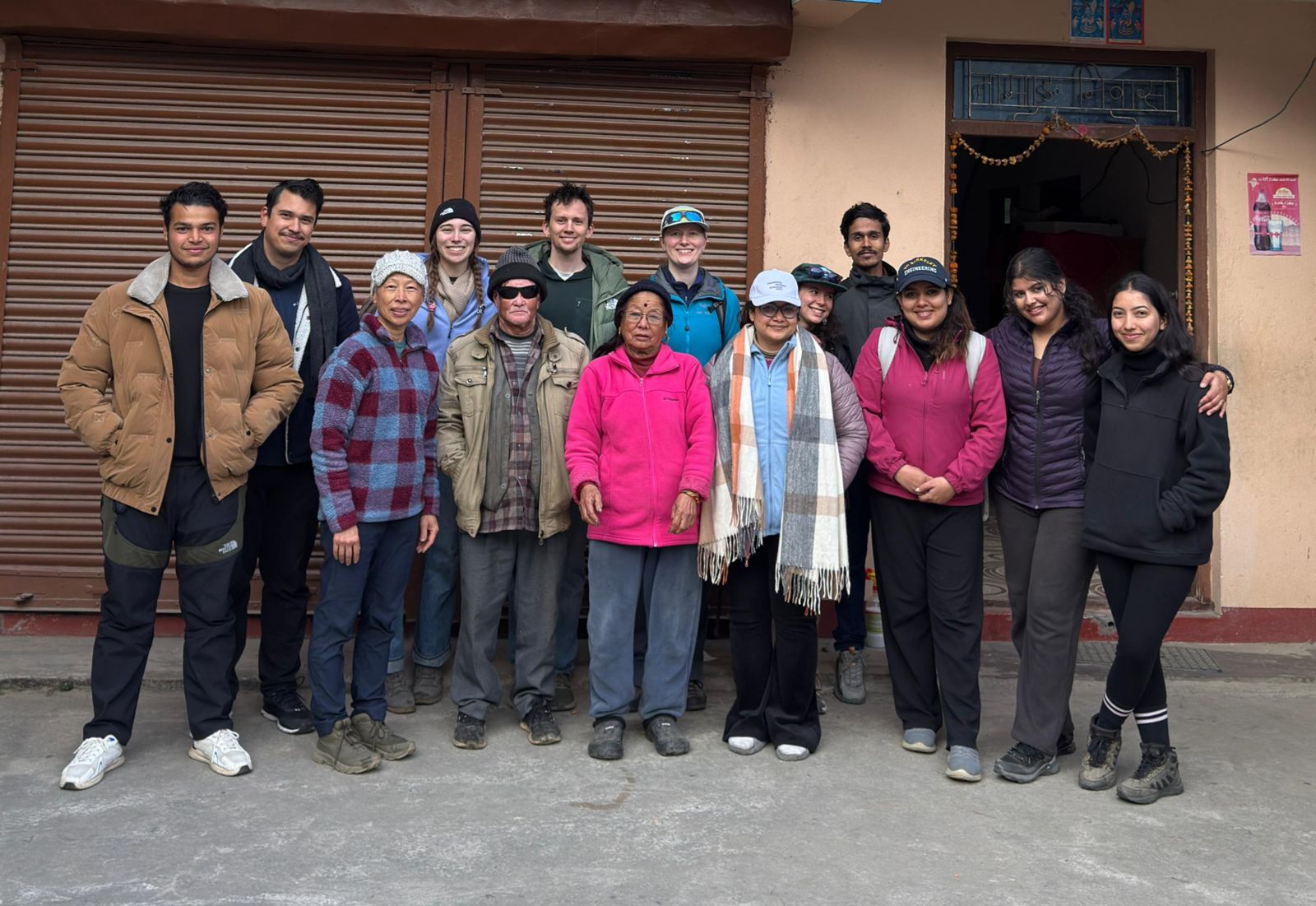
The University of California, Berkeley, in collaboration with EWB Nepal, conducted a comprehensive Water, Sanitation, and Hygiene (WASH) feasibility study at Shree Roshi Secondary School. The primary objective of the assessment was to evaluate existing water and sanitation infrastructure, identify critical gaps, and provide recommendations for sustainable, community-oriented interventions.
The project brought together Berkeley students and Nepali volunteers, referred to as “buddies,” who accompanied each student to provide local expertise, translation, and coordination. The Nepali volunteers came from architecture and diverse engineering backgrounds, including civil, computer, and robotics engineering.The assessment employed a multi-faceted approach combining field surveys, technical measurements, and participatory observation.
Areas designated for new toilet construction were cleared, and existing facilities were measured, with detailed observations recorded regarding structural conditions, user accessibility, and safety. Structured surveys were conducted among students and faculty to capture user experiences, including toilet availability, waiting times, hygiene practices, and wastewater management challenges.
To ensure technical feasibility, standard soil percolation tests were performed to determine infiltration rates and the suitability of septic systems, minimizing the risk of groundwater contamination. Additionally, GNSS mapping and leveling using Abney levels were conducted to document site coordinates and topographical gradients, supporting system design and construction planning.
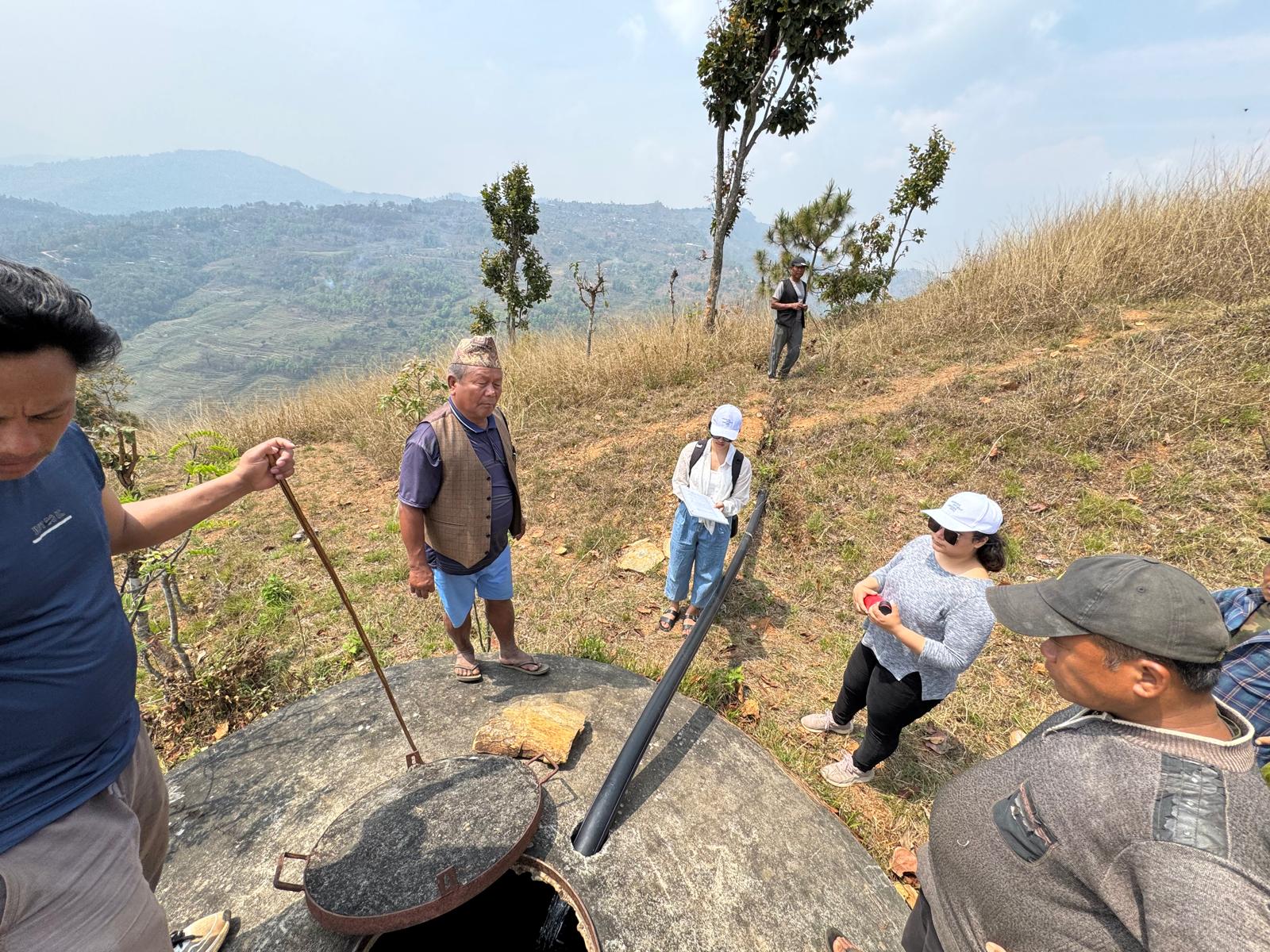
As part of the assessment, the team visited Shree Mathurapati Secondary School, where a completed Rainwater Harvesting System implemented by the University of California, Florida chapter, provided practical insights into long-term system sustainability and maintenance protocols.
The assessment revealed several critical challenges. The existing toilet facilities were insufficient relative to the student population, resulting in prolonged waiting times. Poor maintenance of infrastructure, including broken fixtures and inadequate cleaning, was evident. Wastewater from existing toilets was being discharged directly into open areas behind the blocks, posing environmental and health risks.
Soil percolation tests indicated variable infiltration rates, highlighting the need for careful leach field design. Topographical data suggested slight gradients suitable for gravity-fed wastewater drainage, though minor grading would be necessary to ensure optimal functionality.
The Choosing by Advantages (CBA) methodology was applied to select the most suitable sanitation system. Evaluation criteria included operational reliability, maintenance requirements, adaptability for future expansion, user experience, constructability considering site conditions, and long-term durability.
Structured discussions among Berkeley students, Nepali buddies, and project mentors allowed priorities to be weighted and system options evaluated. The CBA process ensured a transparent, data-driven approach, balancing technical feasibility with community needs.
The WASH assessment highlighted the urgent need for upgraded sanitation infrastructure and improved water management at Shree Roshi Secondary School. The collaboration between Berkeley students and Nepali volunteers demonstrated the effectiveness of cross-disciplinary and cross-cultural teamwork. This project exemplifies how structured assessment, technical analysis, and participatory engagement can support the design of sustainable WASH solutions in rural educational settings.
Engineers Without Borders-Nepal recently conducted a field visit to the Ramkot village of Dhading district…
On 26 January 2026, Engineers Without Borders Pulchowk, in collaboration with Entrepreneurs Cohort Pulchowk (EC)and…
Engineers Without Borders-Nepal recently conducted a field visit to the Ramkot village of Dhading district…
On 26 January 2026, Engineers Without Borders Pulchowk, in collaboration with Entrepreneurs Cohort Pulchowk (EC)and…
I had the opportunity to volunteer in a WASH (Water, Sanitation, and Hygiene) project jointly…