March 26, 2026
The innovation lab (iLab) was conducted at Shree Roshi Secondary School in Roshi, Kavre from 10th January to 14th January, 2026 engaging 30 students, combining students from grade 7, 8 and 9. This five day Innovation Accelerator Program was an intensive, experiential learning process which moved students beyond rote learning by engaging them in real-world problem solving through structured, team-based activities. Students worked in groups to identify locally relevant problems, generate ideas, design solutions, and develop prototypes using the i-Lab makerspace.
Students worked in groups with a total of five groups of six students each fostering collaboration and teamwork. The five student teams worked under the thematic areas of Education, Environment, Health and Sanitation, Tourism, and Agriculture. Each team developed a student-led enterprise grounded in locally identified challenges within these themes. Day one focused on orientation and problem identification, where student teams explored their assigned themes and identified locally relevant problems and underlying causes.
The Education team identified difficulty in conversing in English as their primary challenge. The Environment team observed widespread littering of plastic bottles and paper within the school premises. The Health team recognized the harmful effects of smoke exposure, along with the common habit of neglecting mask usage.
The Tourism team highlighted a lack of awareness and understanding of Nepal’s diverse destinations, despite the country’s rich tourism potential. The Agriculture team identified the challenge of land preparation, where farmers must manually separate clumps of soil, stones, and mixed waste using their hands which is time-consuming, labor-intensive, and inefficient for healthy crop growth.
Day two emphasized conceptual product development, enabling teams to translate problem insights into solution ideas. On Day three, students developed Minimum Viable Products (MVPs) through hands-on prototyping. Each group made a prototype of their identified products. The education team decided to make Jenglish Jenga which is an interactive learning game that transforms English practice into a fun, low-pressure activity.
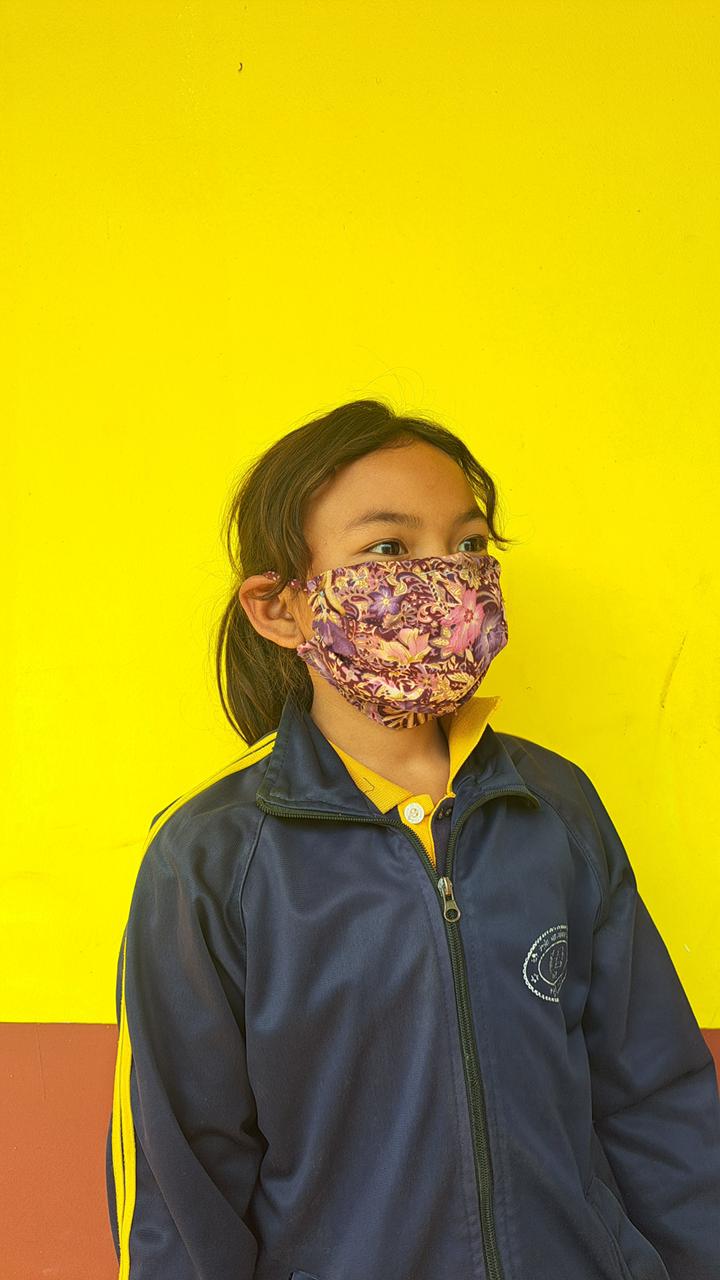
The environment team developed “Waste Muda” (waste chair) made entirely from locally collected waste materials using PET bottles tightly packed with waste paper and plastics, stabilized with sand. The health team made a Jyaba Mask which is a reusable, sanitary face mask designed using local Tamang dress fabric, combining health protection with cultural identity and fashion appeal.
The tourism team developed SNAP Nepal which is a fun and interactive educational card game designed to increase awareness of Nepal’s major tourist destinations. The agriculture team developed a nail broom/rake, a low-cost agricultural tool designed to assist in soil preparation.
The program concluded on Day Five with final presentations and exhibitions, where all five student groups showcased and marketed their products. The students demonstrated a complete learning journey from problem identification to solution development and validation.
The exhibition was attended by students from other grades, teachers, and school administration. The project was funded by Northern California Peace Corps Association and jointly facilitated by Engineers Without Borders Nepal and STEM Karyashala, with facilitation support from Skanda Rimal, Bijita Parajuli, Trisha Bhatta, Palisha Shakya, Amien Shakya, Prakash Dulal, Arpan Regmi, Sumnima Rai, and Angela Bhattarai.
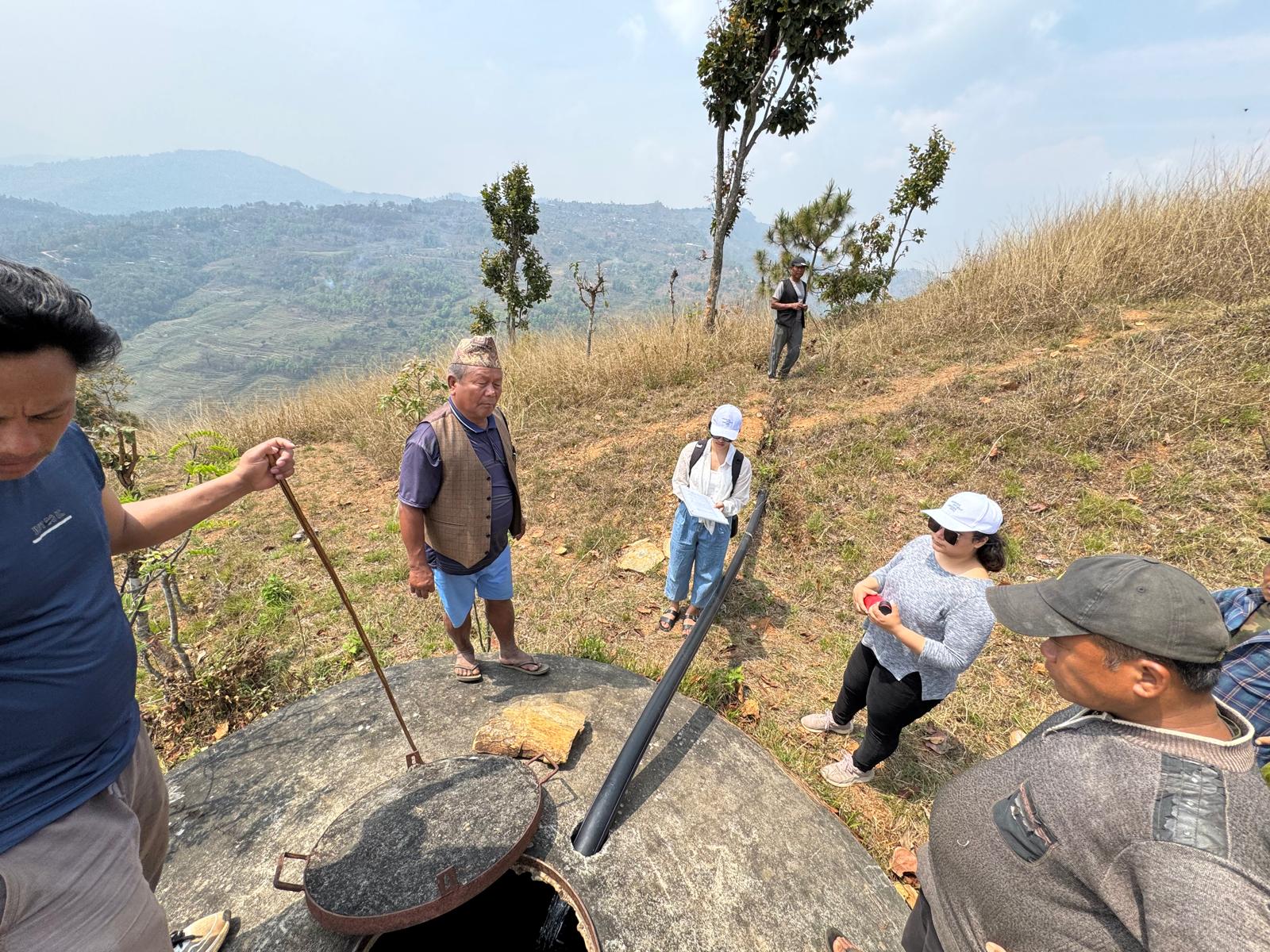
Engineers Without Borders-Nepal recently conducted a field visit to the Ramkot village of Dhading district…
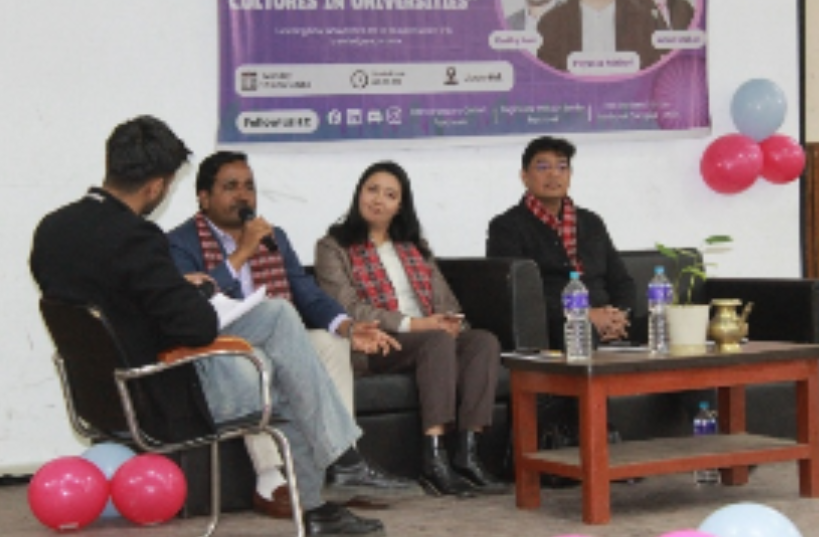
On 26 January 2026, Engineers Without Borders Pulchowk, in collaboration with Entrepreneurs Cohort Pulchowk (EC)and…
Engineers Without Borders-Nepal recently conducted a field visit to the Ramkot village of Dhading district…
On 26 January 2026, Engineers Without Borders Pulchowk, in collaboration with Entrepreneurs Cohort Pulchowk (EC)and…
I had the opportunity to volunteer in a WASH (Water, Sanitation, and Hygiene) project jointly…