March 26, 2026
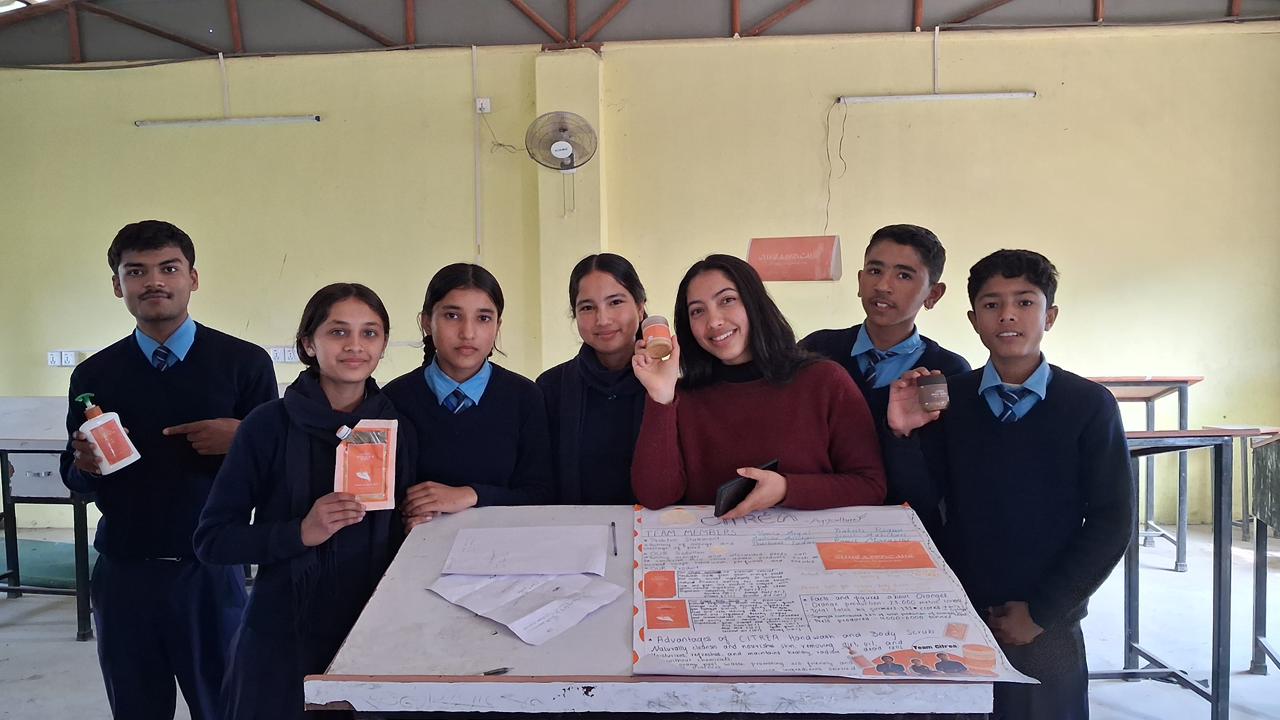
The Innovation Lab (iLab) was successfully conducted at Tribhuvan Adarsha Secondary School, Putalibazar-1, Syangja, from 20th to 25th January, engaging 30 students from Grade 9 in an intensive and hands-on learning experience. The program was designed to cultivate problem-solving abilities, creativity, teamwork, and entrepreneurial thinking by encouraging students to identify real-world challenges within their school and community and develop practical, locally relevant solutions.
At the start of the program, students were introduced to the concept of innovation and design thinking and were divided into five thematic groups focusing on environment, education, agriculture, health, and art and culture. Within these themes, students explored issues they regularly observed around them, leading to thoughtful problem identification rooted in their lived experiences. This approach helped students connect learning with real community needs and encouraged critical and analytical thinking.
As the program progressed, students selected specific problems to work on and collaboratively explored possible solutions by considering feasibility, impact, and usability. These ideas were then translated into tangible prototypes that reflected both creativity and practicality. The education group addressed the frequent loss of classroom stationery by designing a 3D-printed marker and duster storage box. The health group responded to the lack of handwashing facilities in schools and the resulting risk of communicable disease transmission by developing portable paper soap.
The agriculture group tackled the issue of orange wastage caused by overproduction and the absence of proper storage by repurposing excess oranges and peels into a natural face scrub, promoting a locally produced product from Syangja.
The art and culture group identified the lack of commercialization of local art and the perception that art is only accessible to wealthy individuals, proposing a cultural calendar featuring artworks created by students that depict monthly festivals and cultural practices, accompanied by short descriptions.
Similarly, the environment group observed significant wood waste in the area and reused it to create decorative items and lamps, highlighting the importance of sustainability and reuse.In the later phase of the program, students refined their products further by improving design details, conducting cost analysis, calculating profit margins, and learning how to pitch their ideas effectively. This process strengthened their understanding of entrepreneurship, financial planning, and communication skills, while also building confidence in presenting their work to others.
The program concluded with an exhibition and closing ceremony where students showcased their products and shared their learning experiences with a wider audience.
The event was graced by Ms. Anupma Jalan, CSR Head of WorldLink; members of the WorldLink CSR team including Ms. Samani Subedi, Mr. Janak Hamal, Ms. Rubina Bishunkhe (Guest) and the regional team; representatives from Engineers Without Borders Nepal, including President Kapil Dev Regmi, and General Manager Skanda Rimal, as well as school coordinators, parents, teachers, administrative representatives, the Vice Principal, and a School Management Committee representative. Students from Grades 8 and 9 visited the exhibition booths, interacted with the iLab participants, and learned about the innovative solutions developed during the training.
The project was funded by WorldLink CSR and jointly facilitated by Engineers Without Borders Nepal and Karyashala, with facilitation support from Bijita Parajuli, Palisha Shakya, Bishal Gharti Magar, and Amien Shakya. Overall, the iLab was a fun, engaging, and impactful experience, with students demonstrating high levels of enthusiasm, proactiveness, and creativity throughout the program. Through this journey, students developed essential skills in problem solving, teamwork, public speaking, presentation, curiosity, and entrepreneurship, empowering them to see themselves as capable innovators and future change-makers within their communities.
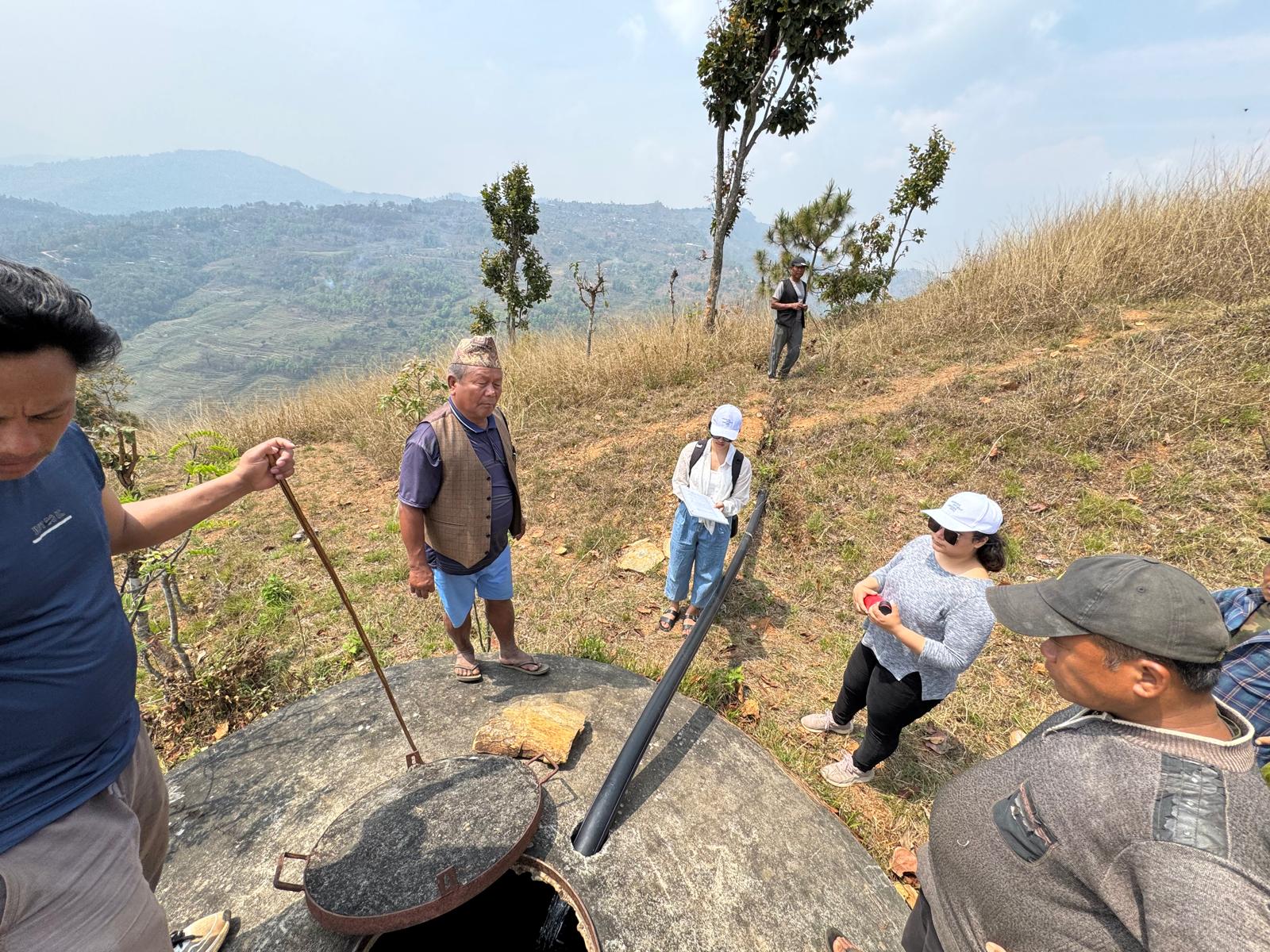
Engineers Without Borders-Nepal recently conducted a field visit to the Ramkot village of Dhading district…
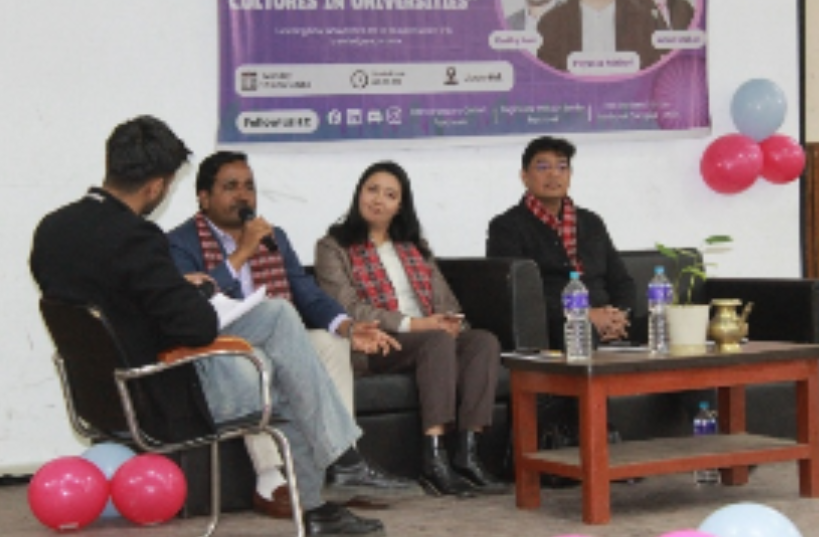
On 26 January 2026, Engineers Without Borders Pulchowk, in collaboration with Entrepreneurs Cohort Pulchowk (EC)and…
Engineers Without Borders-Nepal recently conducted a field visit to the Ramkot village of Dhading district…
On 26 January 2026, Engineers Without Borders Pulchowk, in collaboration with Entrepreneurs Cohort Pulchowk (EC)and…
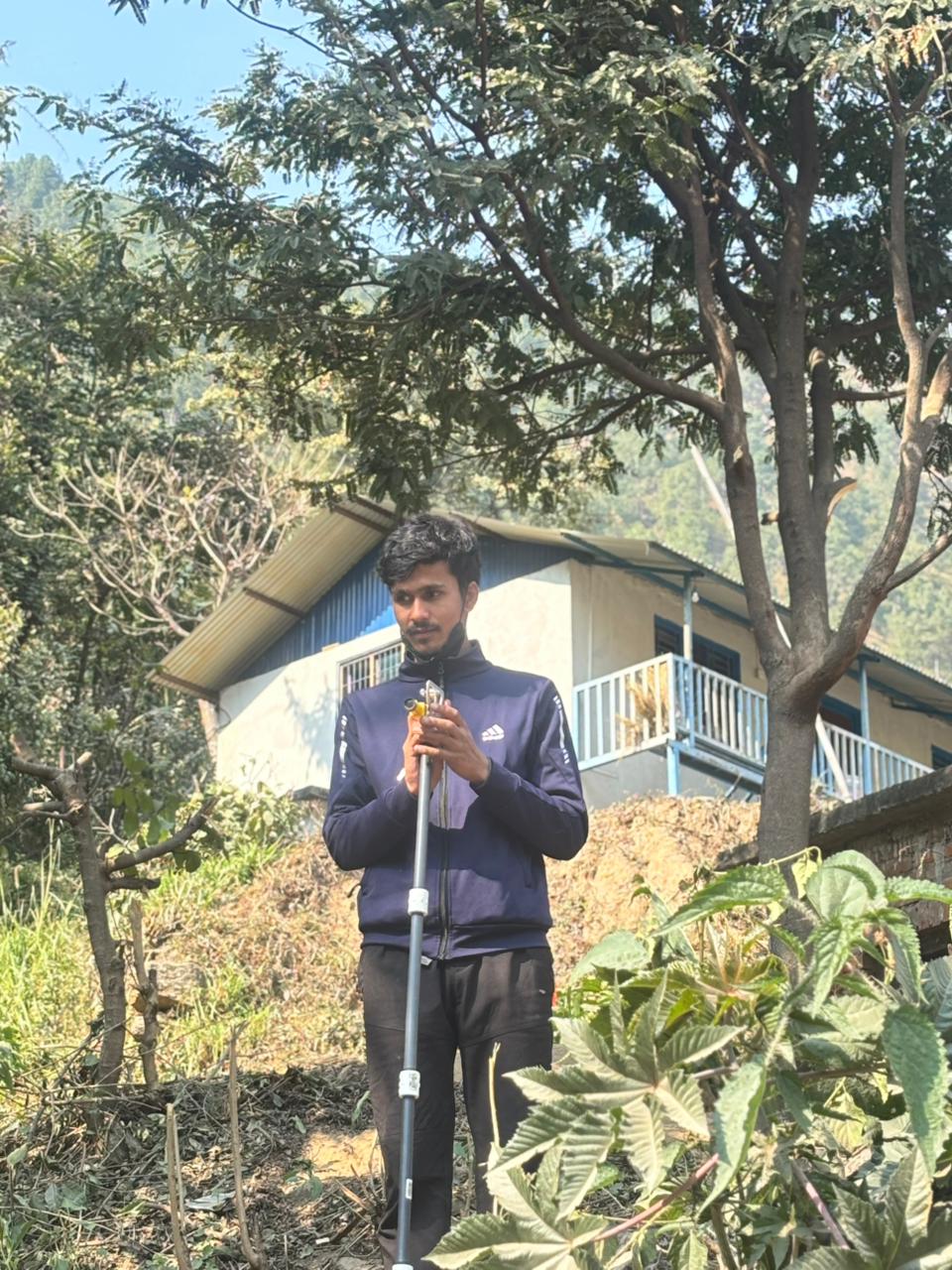
I had the opportunity to volunteer in a WASH (Water, Sanitation, and Hygiene) project jointly…