14 July - 18 September, 2024
2 months
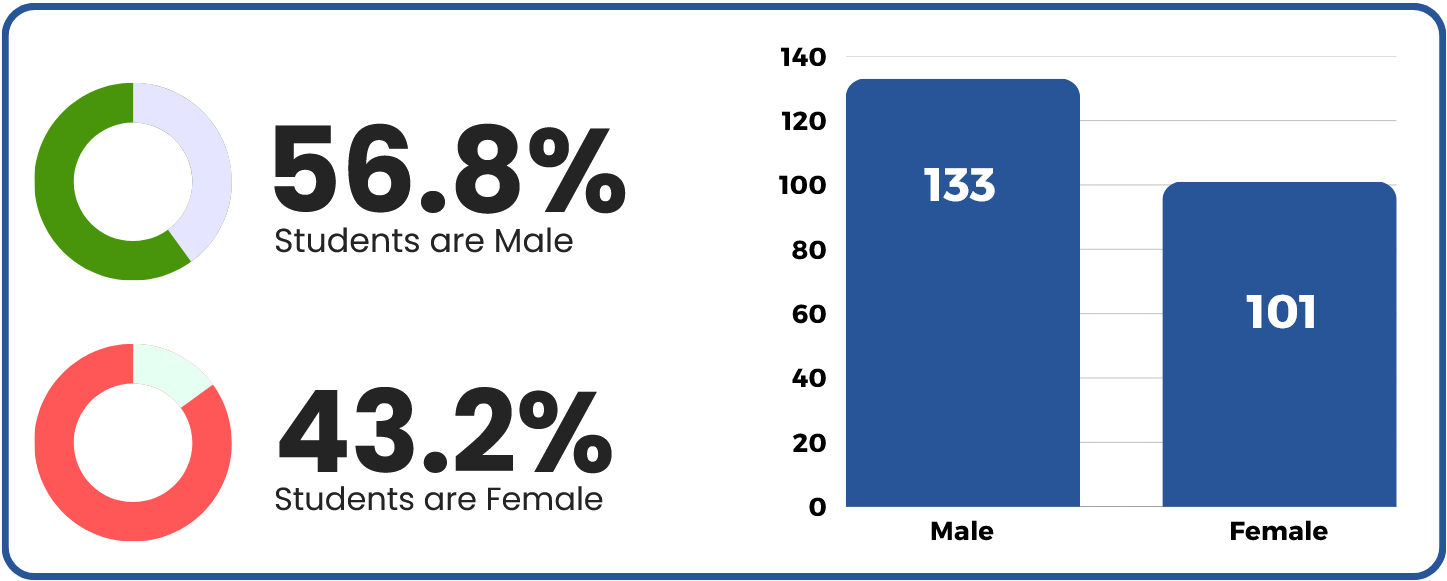
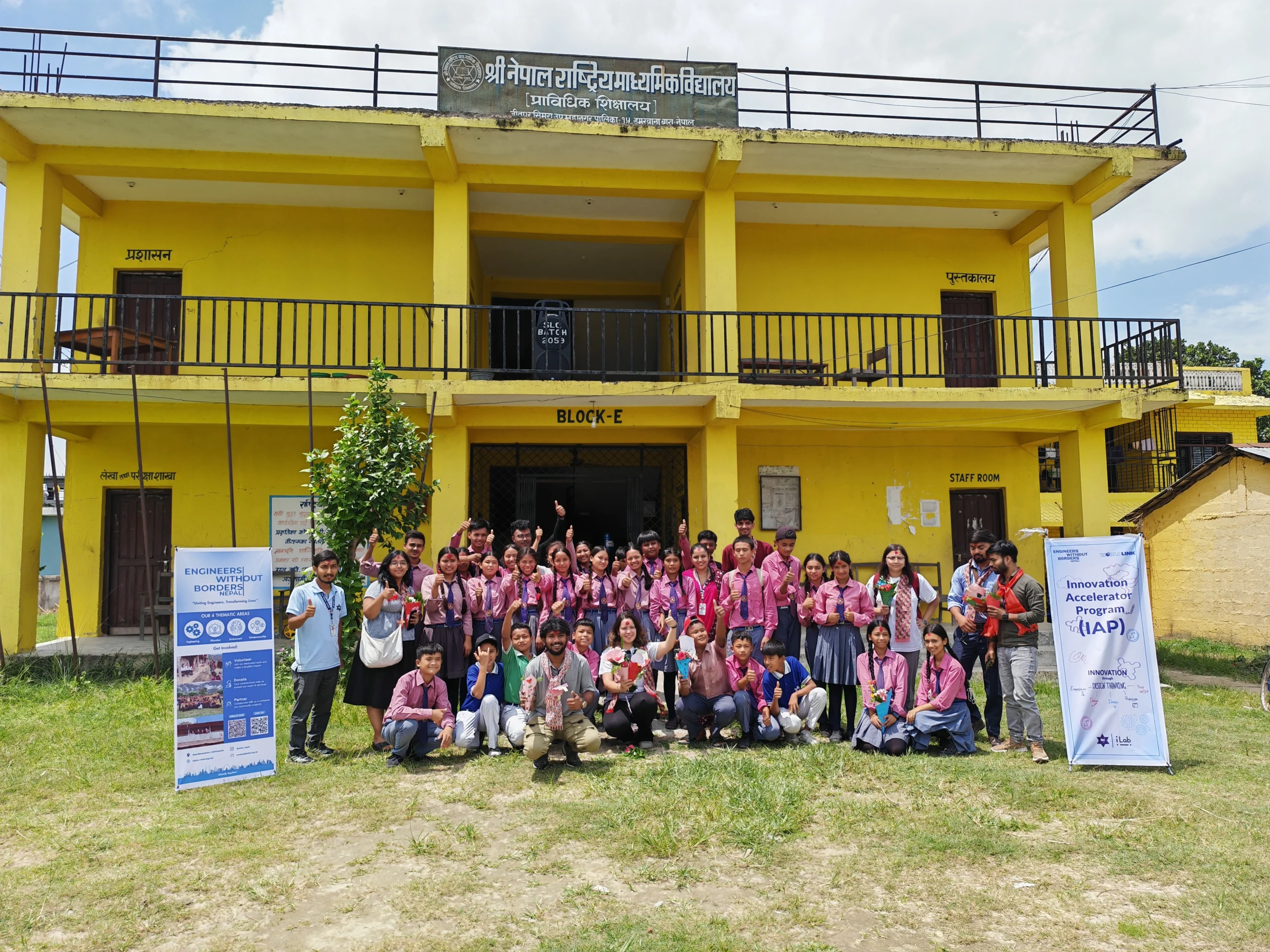
The iLab program at Shree Sringery Community School was launched on 12th Asar, 2081, with the aim of fostering creativity, innovation, and entrepreneurial skills among Grade 9 students. The program sought to empower students through hands-on experience in design thinking, research, and product development, equipping them to address real-world challenges within their local community of Sisneri, Lamatar.
The project followed a phased approach, including initial planning, a Maker Space Setup, and a special Innovation Accelerator Program (IAP). Supported by partners including Worldlink, Engineers Without Borders Nepal (EWBN), and Karyashala, the initiative provided students with access to advanced technologies like 3D printers and essential soft skills training. By bridging the gap between theoretical education and practical industry needs, iLab acts as a catalyst for transformative learning.
The program culminated in the iJatra exhibition, where students showcased their prototypes to the community. This initiative has not only enhanced critical thinking and collaboration but has also laid a strong foundation for students to develop sustainable, innovative solutions that reduce reliance on foreign employment and promote local entrepreneurship.
iLab Maker-space Setup
The iLab makerspace was established on 18th Asar, 2081. It serves as a dynamic space equipped with cutting-edge tools, including 3D printers, electronics, and prototyping materials. This environment fosters experimental learning and allows students to transform their conceptual ideas into tangible products.
Student Enterprise Groups
Each student team developed solutions based on local challenges identified during the Innovation Accelerator Program sessions.
Artistic Design1. Charms Design
Main problem
Unappealing and easily damaged book and notebook covers that lead to frequent waste and lack of personalization.
Solution
Production of artistically innovative, durable covers using long-lasting, reusable fabrics and customizable designs.
Key features
Non-Toxic Colors2. Eco-Hue Colors
Main problem
Lack of access to affordable, non-toxic painting colors in the local Lamatar and Sisneri communities.
Solution
Development of painting colors made from all-natural, eco-friendly ingredients for safe use, particularly for children.
Key features
Interactive Education3. Axort
Main problem
Education is often theoretical with limited practical materials, making science concepts difficult to engage with.
Solution
Hands-on science learning kits featuring interactive card games, experiments, and projects to make learning enjoyable.
Key features
Modern Jewelry Design4. Ramrizz Jewels
Main problem
Local jewelry designs are often outdated, heavy, and expensive, with few affordable customization options.
Solution
Creation of modern, lightweight, and affordable earrings using locally sourced materials and minimalist styles.
Key features
Packaging and Branding5. LamaStar Packaging
Main problem
Lack of recognition for local Sisneri herbs and products, and insufficient skills to market them effectively to larger markets.
Solution
Professional packaging and branding for locally made products such as lemongrass, pickles, and dried vegetables.
Key features
Expected Outcome
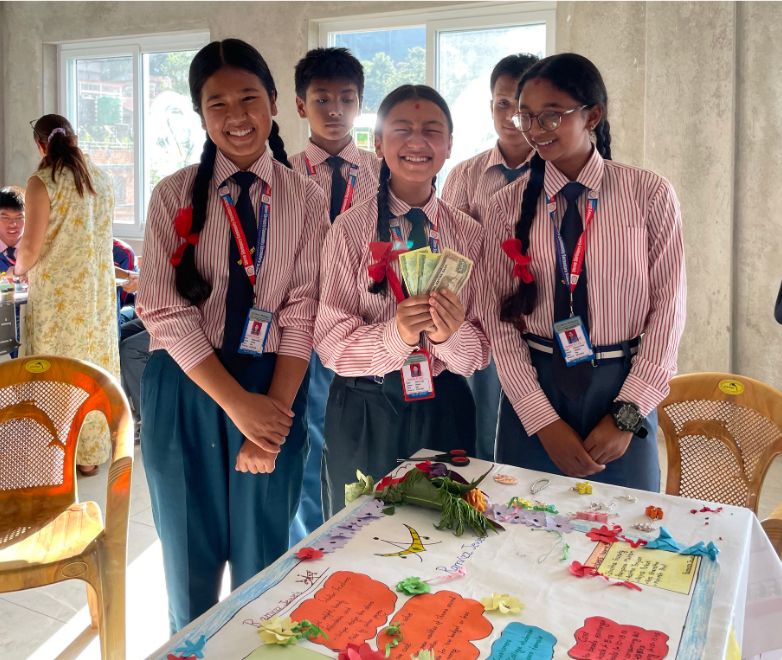
The iJatra exhibition at Shree Sringery Community School was successfully conducted on 16th Jestha, 2082, marking the culmination of the Innovation Accelerator Program. The event transformed the school premises into a vibrant innovation marketplace where students moved beyond theoretical learning to engage directly with over 450 visitors, including parents, local entrepreneurs, and officials.
Through direct sales across the five student enterprise stalls, the students collectively generated a total revenue of NPR 45,600. This provided them with invaluable first-hand experience in financial literacy, pricing, and business management. Beyond the numbers, iJatra strengthened the students’ confidence and communication skills, proving that school-based innovation can create tangible value for both the learners and their community.
Aastha Tamang
Student at iLab
“This program has been a wonderful experience for me. I’ve learned how to work better in teams, and I truly appreciate the support we received from our mentors. Before this program, I used to think that Nepal lacked opportunities, but this experience made me realize that it’s up to us to identify the problems and create opportunities. I now feel empowered to tackle challenges and contribute positively to my community.”
Mahesh Bhat
Student at iLab
“I really enjoyed the iLab program! I learned so much, including things like how 3D printers work, which I didn’t know before. It made me excited to learn more about technology and how to create new things. I think this program would be great for other students, too, as it teaches useful skills for the future.”
Picture Gallery
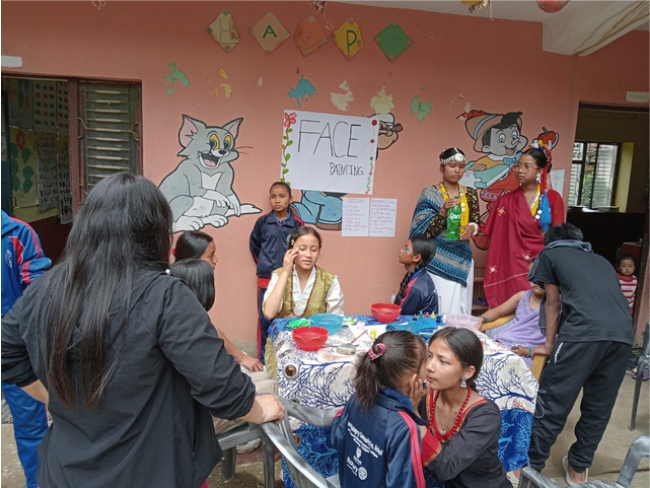
EWB Nepal comprises a diverse community of volunteers, members, supporters, professionals, and academics. By making a contribution, you are supporting a global network of people passionate about using their engineering skills to solve humanitarian challenges.