June 29, 2026
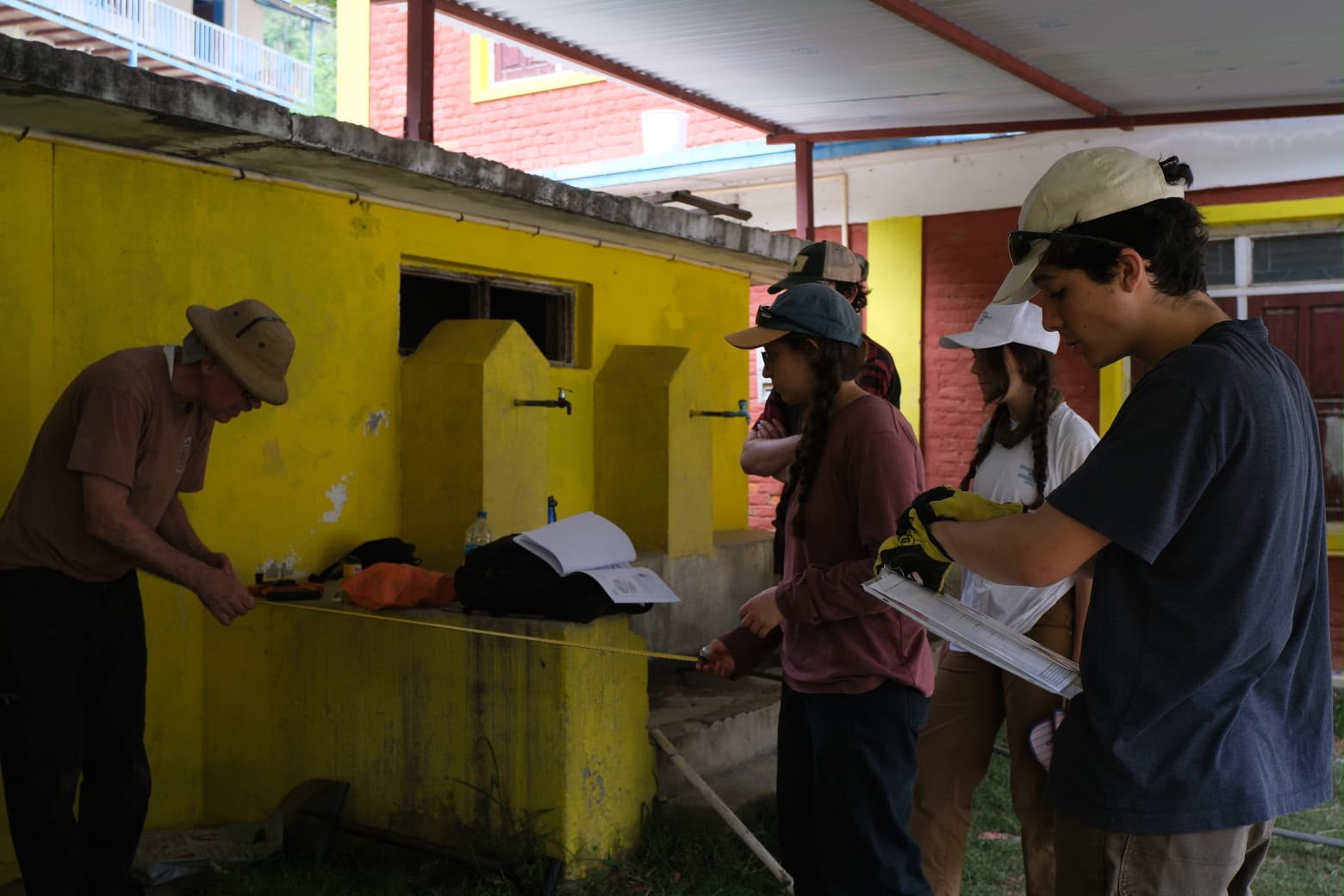
Engineers Without Borders Nepal (EWBN) and Engineers Without Borders Nepal UC Berkeley collaboratively completed Phase I of the Shree Roshi Secondary School Sanitation Project over a three-week period (21 May 2026–11 June 2026).
This implementation phase followed the assessment phase conducted in January 2026, during which multiple sanitation alternatives were evaluated using the Choosing by Advantages (CBA) methodology. Based on technical assessments and extensive community engagement, the Sulabh toilet chamber system emerged as the preferred solution due to its simplicity, resilience, ease of operation and maintenance, compatibility with existing user behavior, and ability to be implemented entirely within school-owned land.
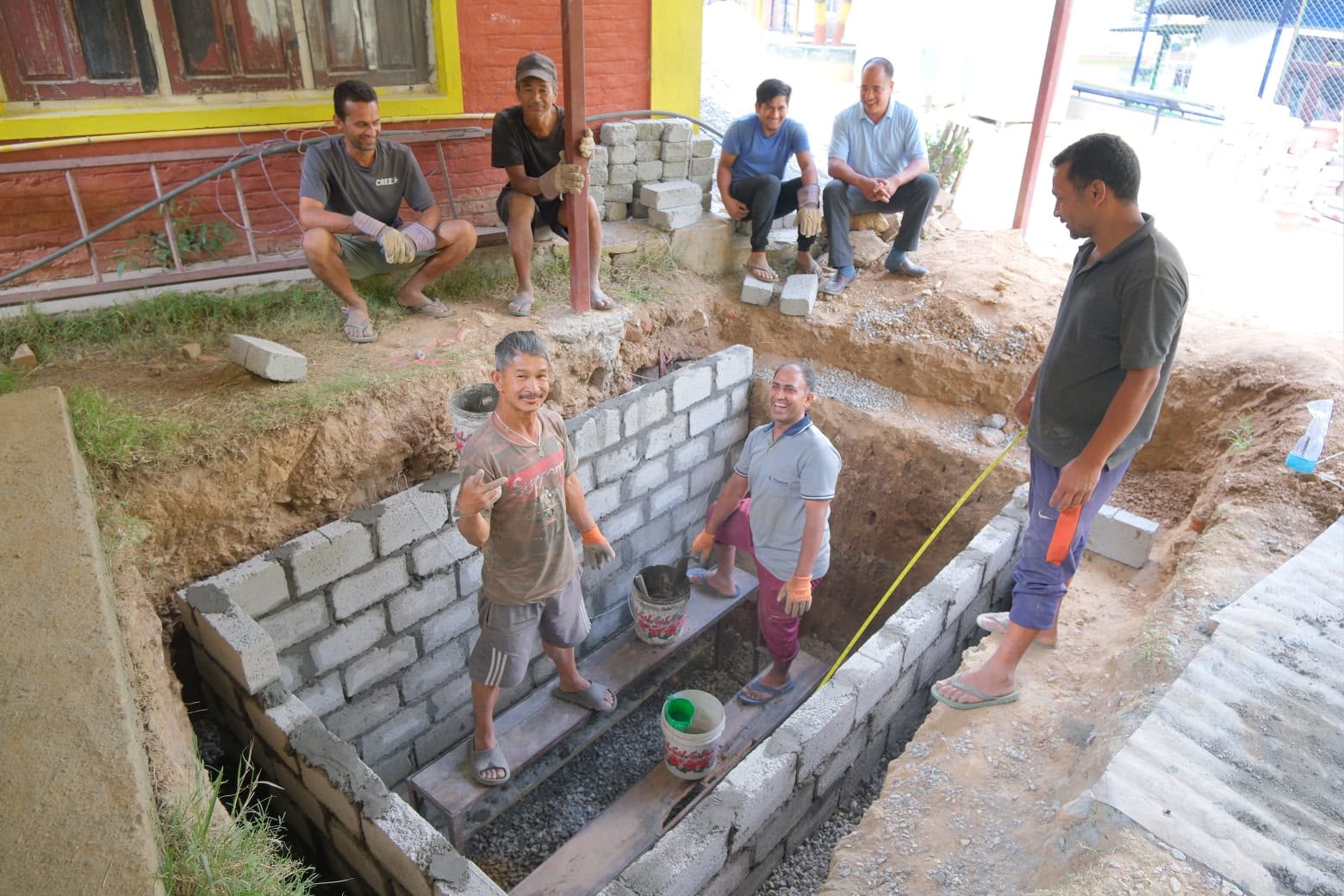
The objective of Phase I was to construct additional female toilets to bring the total number of toilets on campus into compliance with the Government of Nepal guidelines and the findings of the assessment trip. The phase also included the construction of two Sulabh chambers to serve the new toilets. The overall goal was to reduce waiting times so that students could use the toilets during regular breaks between classes.
The implementation of Phase I involved five students and one mentor from the UC Berkeley Chapter, along with mentors and volunteers from EWBN. During the first few days, a temporary toilet was set up for students and teachers to ensure their safety and maintain sanitation during construction. The students and volunteers first marked out the layout for the Sulabh chambers, after which construction was initiated by local workers. Under the supervision and continuous monitoring of mentors from both EWB UCB and EWBN, the construction of the two Sulabh chambers was successfully completed. The students also supervised the pipe and toilet layout, ensuring that it was installed according to the design drawings. Throughout the implementation, the local workers and masons proved to be adaptable, cooperative, and reliable.
In addition to the construction activities, an assessment and workshop were conducted in preparation for Phase II, which involves the construction of the superstructure for three new female toilets. As part of this, an interactive workshop was organized with students from various grades. A full-scale mock-up of the toilet was created, incorporating elements such as the squat pan, taps, wash basins, storage units, and dustbins. The students were able to adjust the interior layout of the mock-up according to their preferences. Data on their needs and preferences were collected through this exercise. They were also presented with different interior layout options and asked to select the one they found to be the most feasible, functional, and suitable for their needs.
In addition, workshops were conducted on the proper use and maintenance of the newly installed sanitation system. The objective was to raise awareness about the new system and encourage positive behavioral change among the students. An awareness session on female hygiene was also conducted to educate students on menstrual hygiene and personal sanitation.
Phase I of the Shree Roshi Secondary School Sanitation Project successfully achieved its objectives through the collaborative efforts of EWBN, EWB UCB, local workers, and the school community. The construction of the Sulabh chambers, along with the preparation for additional female toilets, has strengthened the school’s sanitation infrastructure and improved access for students. The participatory design workshops and awareness sessions ensured that student’s needs and perspectives were incorporated while promoting proper sanitation practices and female hygiene. Overall, Phase I has established a strong foundation for the successful implementation of Phase II of SRSS Sanitation Project.
During the implementation of the SRSS Sanitation Project in Roshi, one of the service learners…
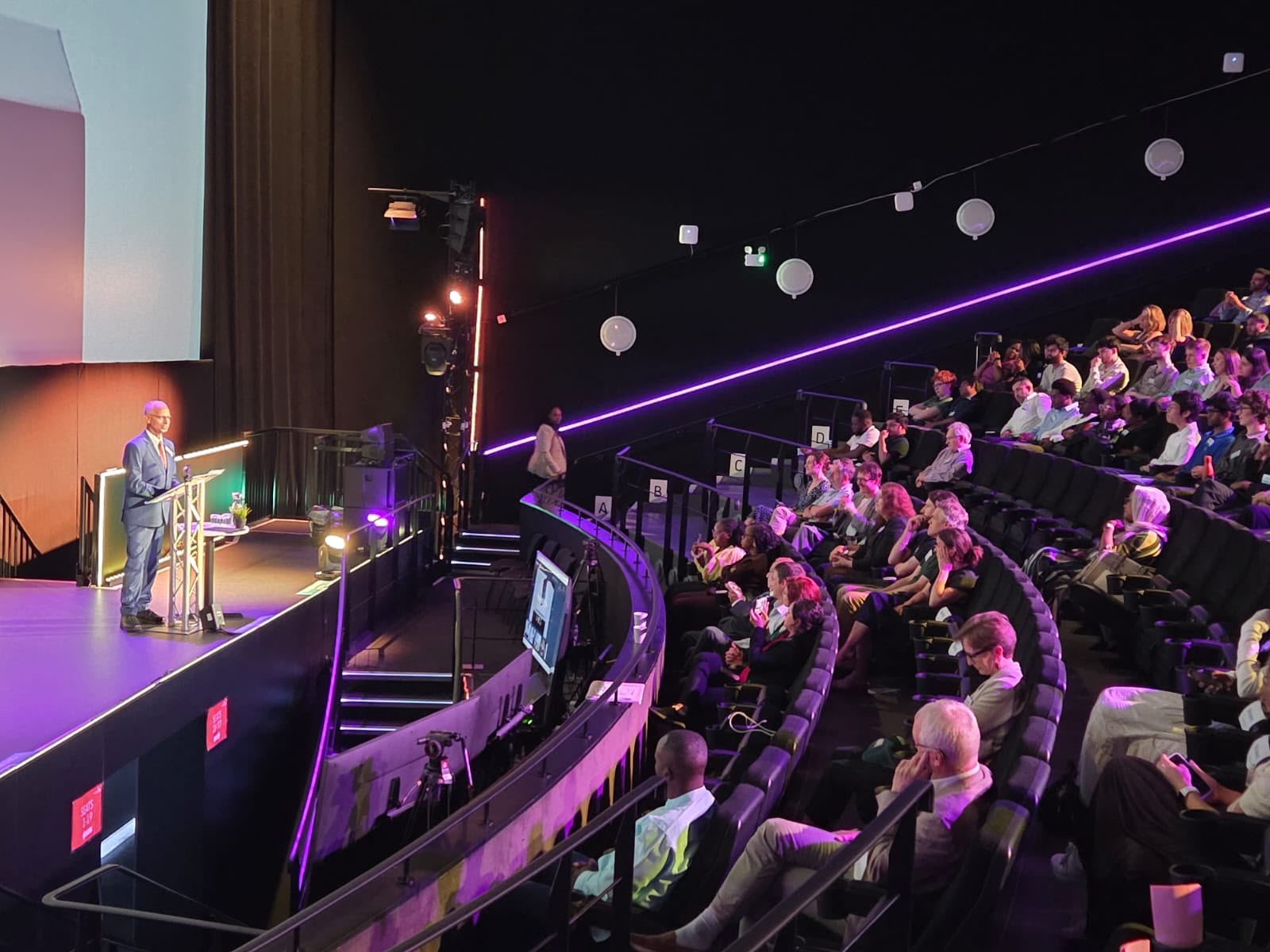
Mr. Kapil Dev Regmi, President of Engineers Without Borders International (EWBI), joined the Engineering for…
During the implementation of the SRSS Sanitation Project in Roshi, one of the service learners…
Mr. Kapil Dev Regmi, President of Engineers Without Borders International (EWBI), joined the Engineering for…
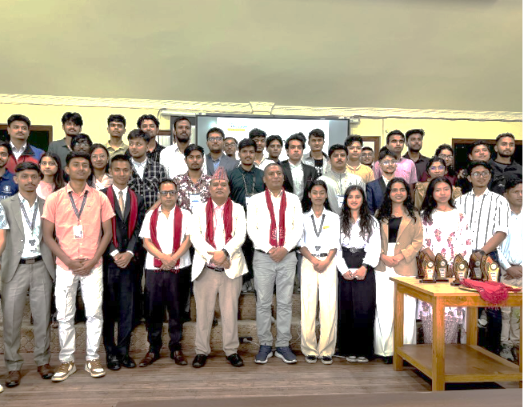
In collaboration with various clubs within the Campus, Pulchowk Campus organized a student-led Career Conclave…