September 29, 2026
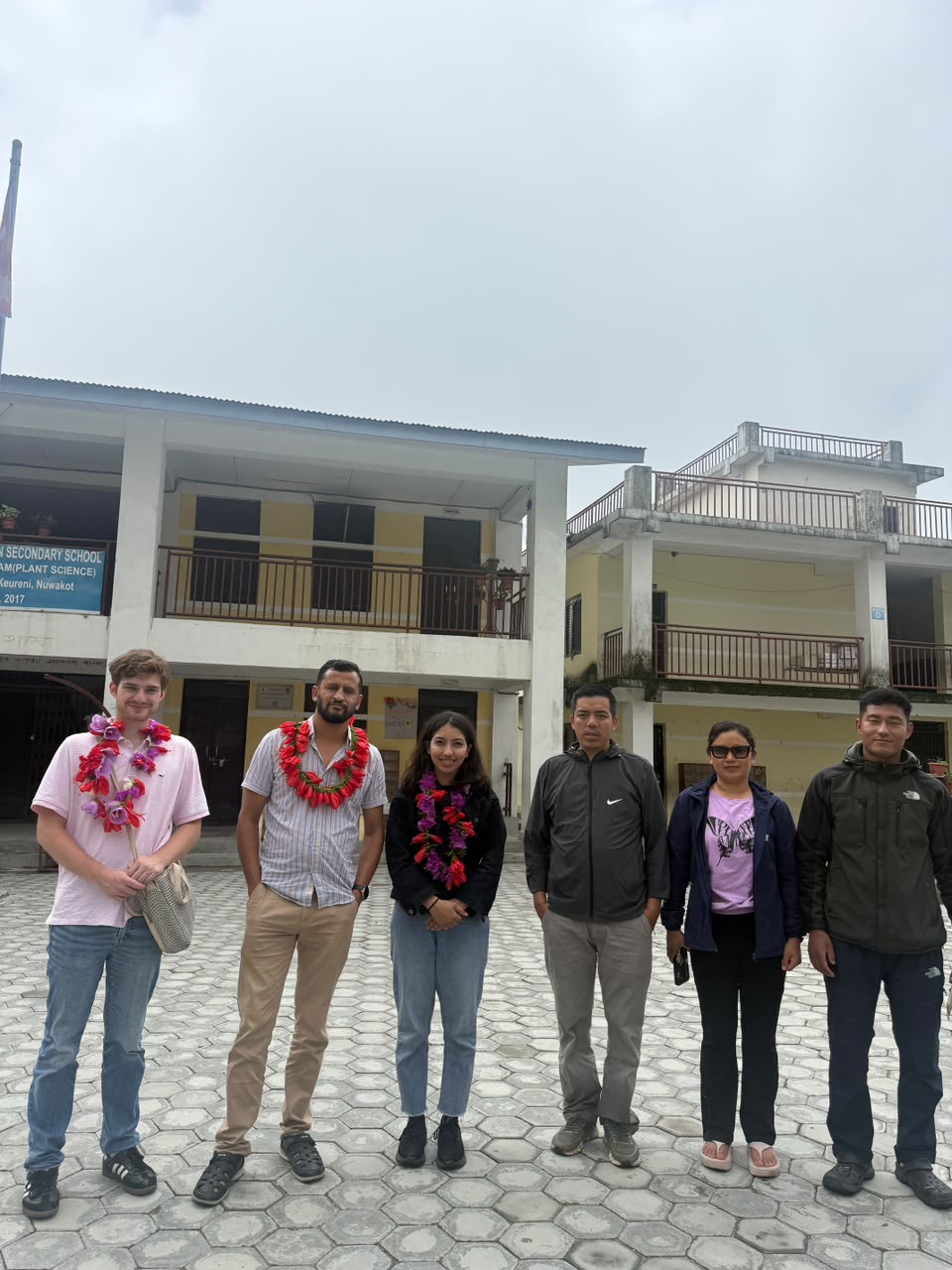
EWB Nepal recently completed field visits to two public schools in the hills surrounding Kathmandu as part of its work to identify communities that could benefit from long-term engineering partnerships. The visits took the team to Shree Navajeewan Secondary School in Kakani and Shree Kalika Sharan Secondary School in Tarakeshwor Municipality.
Although both schools are located within reach of Kathmandu, each continues to face basic infrastructure challenges that directly affect student health, comfort, attendance, and learning. The visits allowed EWB Nepal to hear directly from school leaders, teachers, students, parents, School Management Committee members, and community representatives. Rather than arriving with a predetermined project, the team focused on understanding how the schools currently operate, what solutions have already been attempted, and which problems the communities consider most urgent.
The information gathered during these visits is now supporting applications for long-term partnerships with Engineers Without Borders-USA. Through these potential partnerships, the schools could access engineering assessment, design, construction support, technical training, and assistance with long-term operation and maintenance.
The first school, Shree Navajeewan Secondary School, is located in Kakani, a scenic and diverse rural community in the hills surrounding the Kathmandu Valley. The school serves approximately 600 students from families representing different religious, caste, ethnic, and social backgrounds. It is also an important gathering point for teachers, parents, community leaders, and residents of the surrounding area, which includes about 2,500 people and more than 1,200 households.
During the visit, the school community identified two closely connected priorities: an inadequate sanitation system and concerns about the safety and reliability of its drinking water.
The school’s existing septic tank is too small for the number of students using the facilities and regularly overflows. This creates strong odors and unsanitary conditions around the school. More seriously, there are concerns that untreated wastewater may enter the surrounding soil and potentially affect water sources located farther downhill.
The community has attempted to manage the immediate problem by digging a temporary pit and pumping the septic overflow into it. While this has helped reduce visible overflow around the school for short periods, it does not treat the wastewater and cannot serve as a safe, permanent solution. The school’s drinking water also sometimes contains bacteria, sand, dirt, and other impurities, creating additional health concerns for students, teachers, and staff.
Previous organizations have supported the community in other ways. JICA assisted with emergency repairs to the school following the earthquake, while Living Water Nepal previously supported water distribution in the wider community. However, these efforts did not fully address the school’s current sanitation and drinking-water problems.
The EWB Nepal visit provided an opportunity to document the existing facilities, discuss how they are used each day, and begin exploring what a longer-term response could involve. Future work could include a detailed technical assessment of the septic system, wastewater flows, soil and drainage conditions, and the school’s water source and treatment needs. Any eventual design would need to be technically appropriate, affordable to maintain, and compatible with the school’s available space and local conditions.
The school and community have expressed their willingness to participate throughout the assessment, design, construction, training, and monitoring phases. They have also committed to taking responsibility for the long-term operation and maintenance of any completed infrastructure. The School Management Committee would oversee the financial arrangements, while designated staff would support routine inspections, cleaning, and the identification of repair needs.
The second visit was to Shree Kalika Sharan Secondary School, located on a hillside in Tarakeshwor Municipality. The school directly serves approximately 329 students, many of whom travel from nearby communities to attend. Despite being relatively close to Kathmandu, the school experiences significant water shortages during the dry winter months.
The school receives water from a year-round spring-fed source. The source does not completely stop flowing, but its output decreases substantially during winter. At these times, the available supply is insufficient for drinking, sanitation, meal preparation, cleaning, and other daily school needs.
The school has already taken several steps to improve the situation. Before 2022, it did not have an underground water-storage tank. A tank has since been constructed, allowing the school to retain more water when the source is flowing adequately. SmartPaani also installed a filtration system to improve drinking-water quality.
These improvements have helped with storage and treatment, but they have not solved the underlying seasonal shortage. A filter can improve the quality of available water, and a tank can store water, but neither increases the amount entering the system during the driest months. As a result, the school still faces serious shortages when demand exceeds the reduced winter supply.
During the visit, EWB Nepal met with the principal and other school and community representatives to discuss how the shortage affects everyday life. Reliable water is not only necessary for drinking; it also supports toilet use, handwashing, cooking, cleaning, and the overall health of the school environment.
Potential solutions discussed include the development of a rainwater-harvesting system, improvements to the existing spring source and intake structures, and an increase in water-storage capacity. These ideas remain preliminary. A proper technical assessment would be needed to measure seasonal demand, roof catchment area, rainfall, source flow, storage requirements, water quality, distribution conditions, and future maintenance costs before selecting a final design.
The school’s leadership has demonstrated strong motivation to move the project forward. The principal, staff, students, parents, and nine-member School Management Committee have participated in identifying the need and discussing the proposed partnership. Tarakeshwor Municipality is also expected to assist with approvals, administrative oversight, technical coordination, and links to municipal engineering personnel.
While the two schools face different technical problems, the visits highlighted several shared priorities. Both communities want solutions that are safe, practical, and manageable over the long term. Both understand that infrastructure alone is not enough: there must also be clear responsibilities, maintenance plans, trained personnel, financial systems, and continued community participation.
EWB Nepal’s role will be to help connect the schools, local government, community members, and any future EWB-USA chapter. This will include facilitating communication and site visits, supporting translation and local coordination, assisting with data collection and procurement, and helping the schools develop the capacity to manage completed infrastructure.
The completion of the two community applications is an important next step, but it is not the end of the process. Any future project will require further consultation, engineering investigation, design development, fundraising, government coordination, and agreement on construction and maintenance responsibilities.
These field visits demonstrate the value of beginning with listening. By taking the time to understand each school’s daily experience, previous efforts, available resources, and local priorities, EWB Nepal can help develop partnerships that respond to real needs and strengthen the ability of communities to manage their infrastructure for years to come.
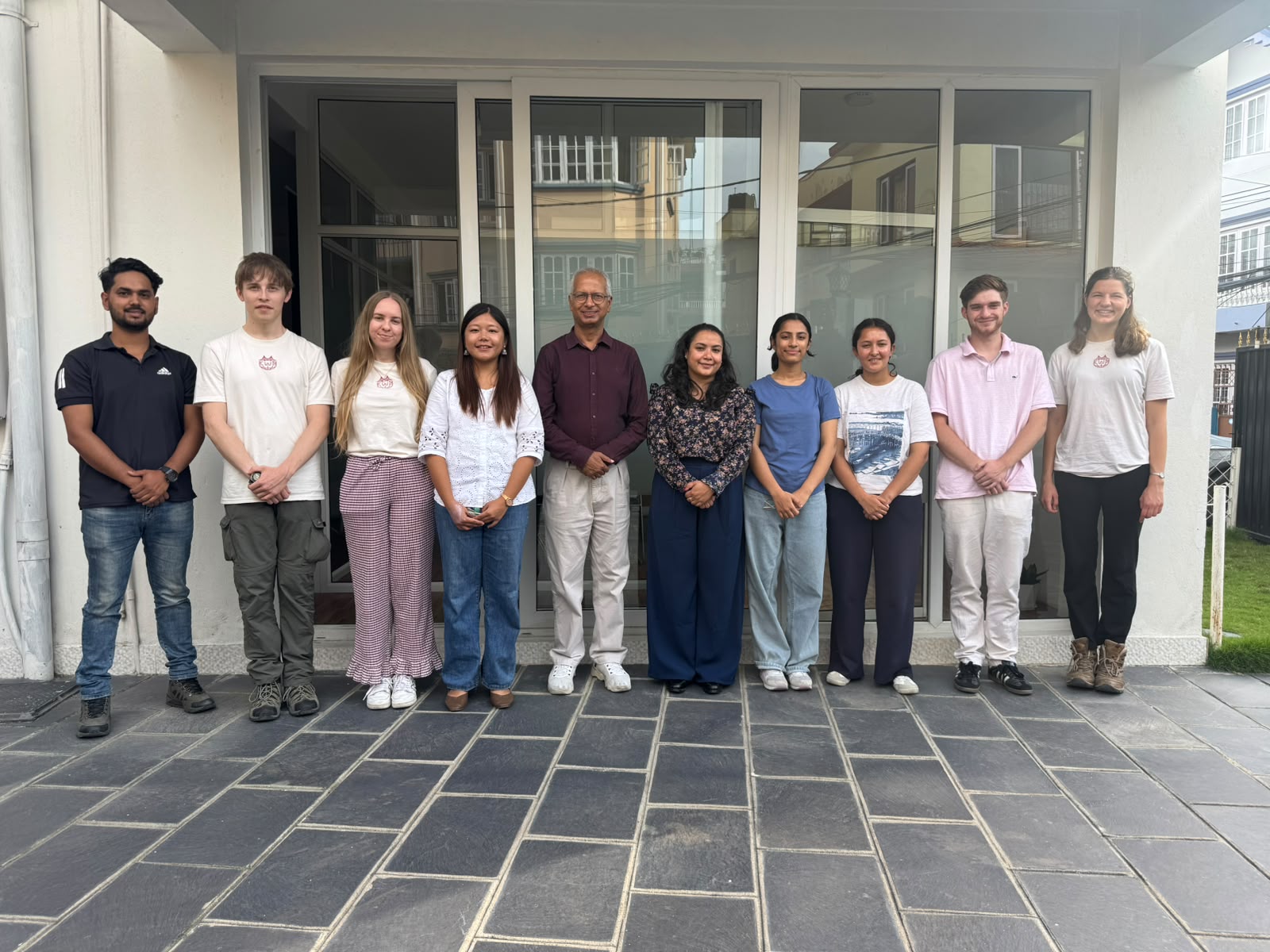
On September 22, three members of Engineers Without Borders (EWB) KIT, Germany, visited the EWB…
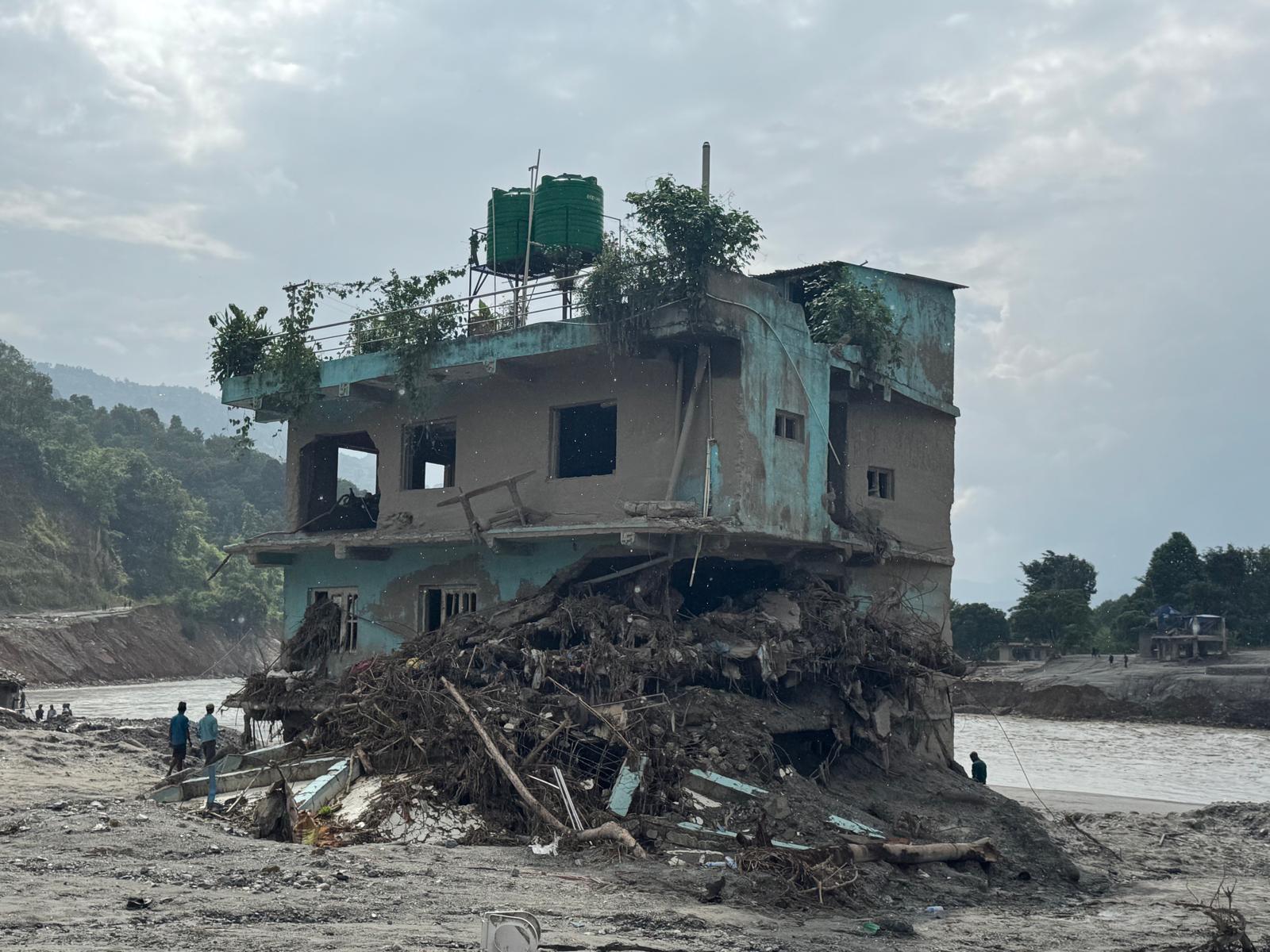
It is one thing to read about a flood. It is another to stand in…
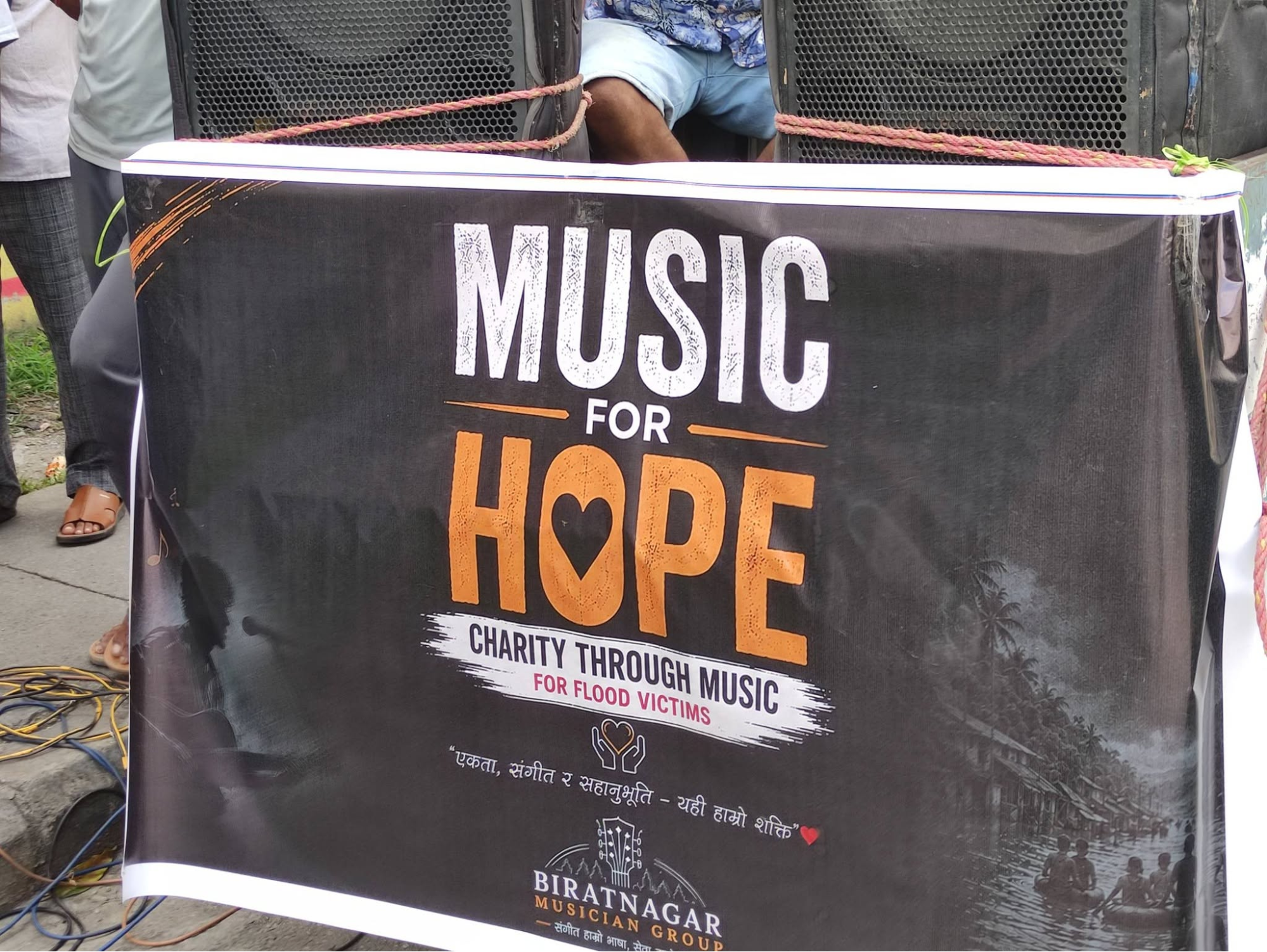
Biratnagar | 2 September 2026 When a disaster happens far from home, there are only…