September 29, 2026
It is one thing to read about a flood. It is another to stand in the middle of what it left behind.
Following the severe flooding that affected Rasuwa and Nuwakot in August 2026, a team from Engineers Without Borders Nepal travelled to Bidur Municipality to better understand the situation on the ground. Across the affected region, flooding damaged homes, roads, bridges, schools, hydropower infrastructure, and other essential services, while many displaced families were moved into temporary holding centres in schools and public buildings.
Our visit, however, was less about collecting another set of statistics and more about understanding what those statistics looked like in reality.
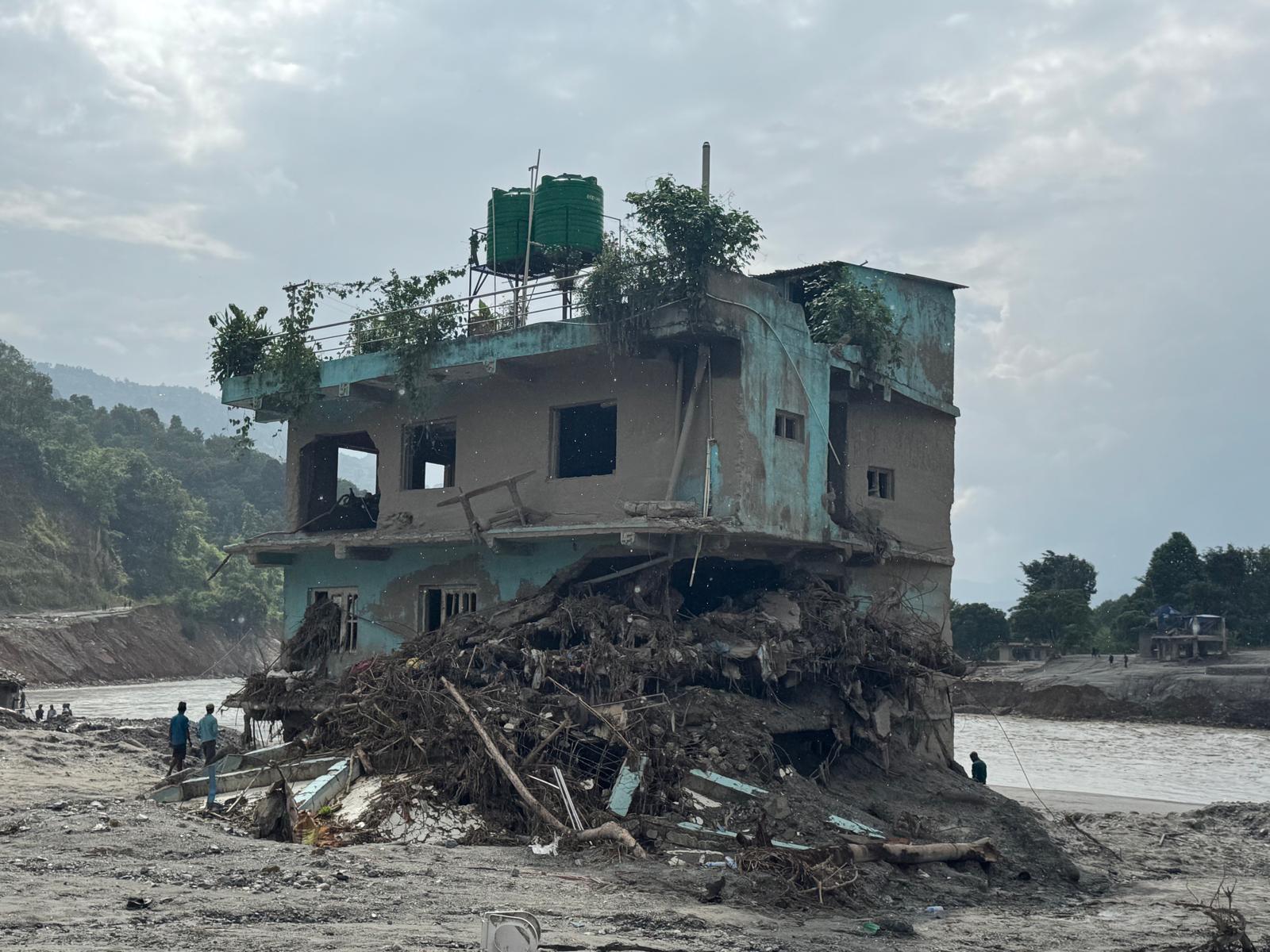
The first thing that stood out was the sheer size of the area affected by the river. What may once have appeared to be a relatively defined river corridor had expanded into an enormous floodplain. Standing beside it, it was difficult to immediately understand where the normal river channel had previously been. The landscape had been reshaped across a much wider area, leaving behind broad stretches of exposed stone, sand, and sediment.
Some of the most striking evidence of the power of the flood was the material it had carried with it. Large stones and boulders were scattered across areas that had been overwhelmed by the water. In other places, thick new deposits of sand had completely changed the surface of the land. These were not small changes along the riverbank. In places, it felt as though an entirely new landscape had been deposited on top of the old one.
The amount of material moved by the flood also gave a sense of the force involved. Rocks that would normally seem almost immovable had been transported downstream. Huge quantities of sand and gravel had accumulated in areas that had previously supported roads, buildings, farmland, or other uses. Even after the water had receded, the physical footprint of the flood remained enormous.
And then there were the structures.
Buildings stood beside areas where the ground around them had been washed away or completely altered. Infrastructure that had once connected communities had been damaged or buried. Roads, river crossings, agricultural areas, and community spaces had all been affected in different ways. Looking across the floodplain, individual examples of damage almost became secondary to the overall scale of what had happened. The destruction was not confined to one building or one village; the river had changed an entire corridor.
That scale also makes recovery complicated. Removing debris or repairing a damaged structure is only one part of the challenge. Communities must also consider where it is safe to rebuild, how water and sanitation systems can be restored, what infrastructure remains vulnerable, and how reconstruction can reduce the impact of future disasters.
During the visit, our team spoke with representatives from the local government as well as people already involved in the response and recovery effort. These conversations were important in helping us understand not only what communities needed, but also where EWB Nepal could realistically add value.
One conclusion from the visit was that our role should not necessarily be in the immediate emergency response. Rescue, relief distribution, and other urgent activities require organisations with the systems, resources, and experience to operate quickly at a very large scale. Instead, EWB Nepal is better positioned to contribute as communities move from emergency response toward recovery and longer-term resilience.
This could include detailed community and technical needs assessments, restoring water and sanitation services, supporting temporary or transitional infrastructure where needed, and eventually contributing to safer reconstruction. The recovery approach being developed by EWB Nepal also places an emphasis on resilient rebuilding and strengthening local technical capacity, including training masons and supporting safer, disaster-resilient construction practices. The longer-term aim is not simply to replace what was lost, but to help communities rebuild in ways that leave them better prepared for future hazards.
Our trip to Bidur was therefore as much a learning visit as it was an assessment.
The floodplain made the scale of the disaster difficult to ignore. The new layers of sand, enormous stones, damaged infrastructure, and dramatically widened river area showed just how quickly a landscape, and the communities within it, can be transformed.
For EWB Nepal, the challenge now is to understand where our engineering knowledge, partnerships, and community-focused approach can have the greatest impact. That may not be in the first days of an emergency. It may be in the months and years that follow, when communities begin the much longer process of recovering, rebuilding, and preparing for what comes next.
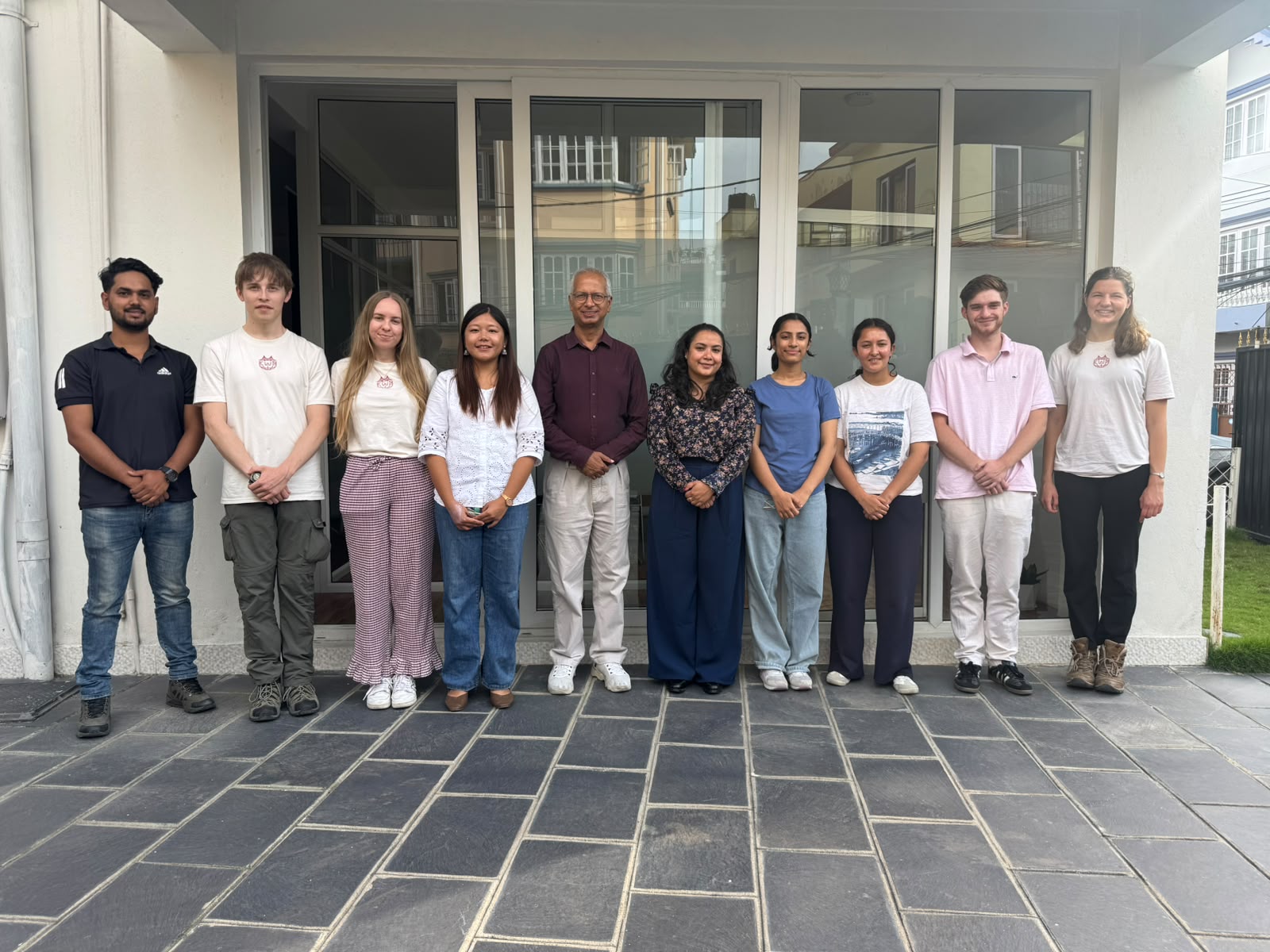
On September 22, three members of Engineers Without Borders (EWB) KIT, Germany, visited the EWB…
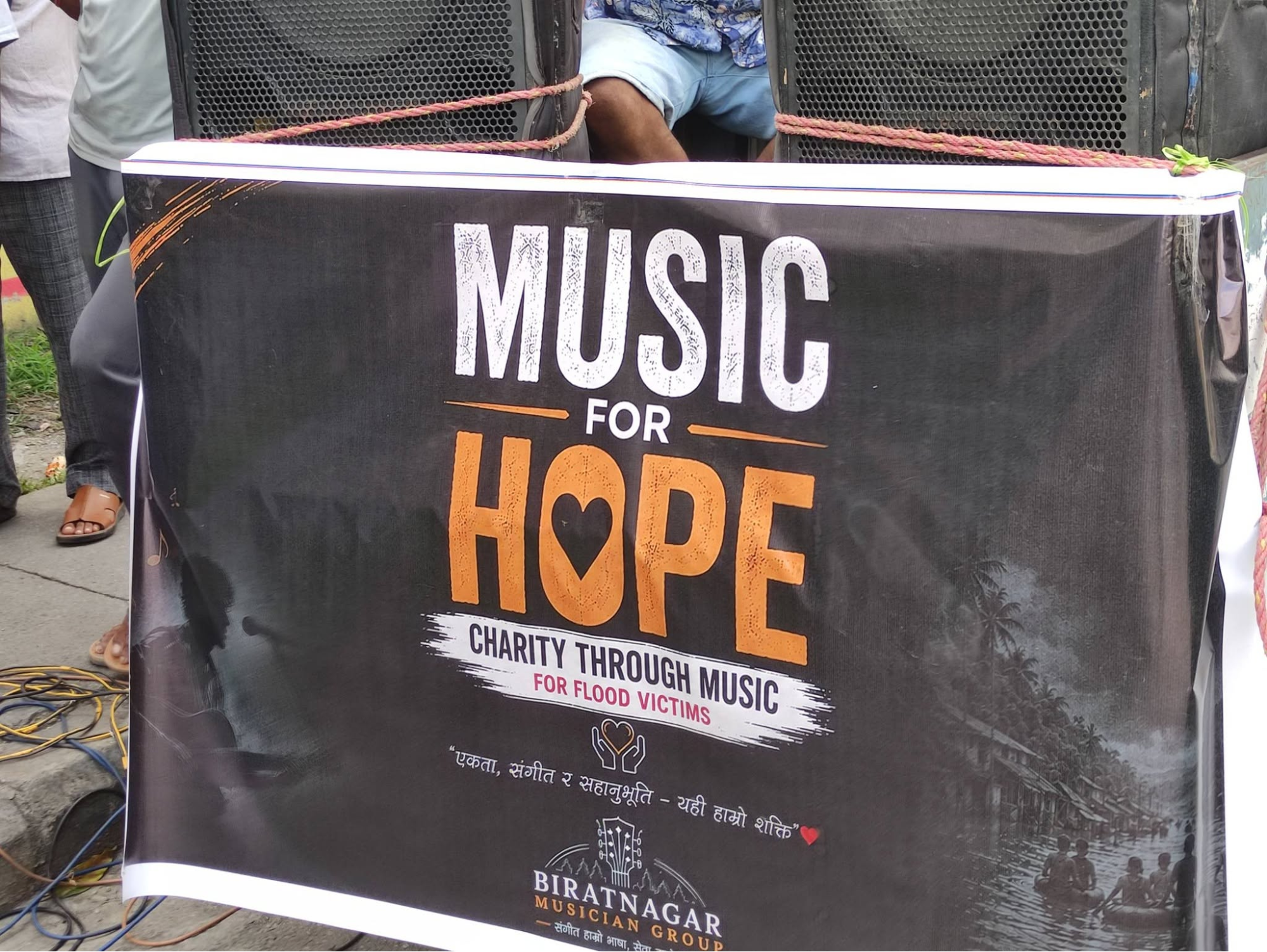
Biratnagar | 2 September 2026 When a disaster happens far from home, there are only…
On September 22, three members of Engineers Without Borders (EWB) KIT, Germany, visited the EWB…
Biratnagar | 2 September 2026 When a disaster happens far from home, there are only…
Biratnagar | 2527 August 2026 For three days in late August, engineering conversations moved out…