
June 28, 2026
My First iLab Journey: Six Days of Innovation in Jumla
Some journeys leave behind more than memories—they leave behind a new way of seeing the world. My first iLab at Shree Karnali Secondary School in Jumla was one of those journeys.
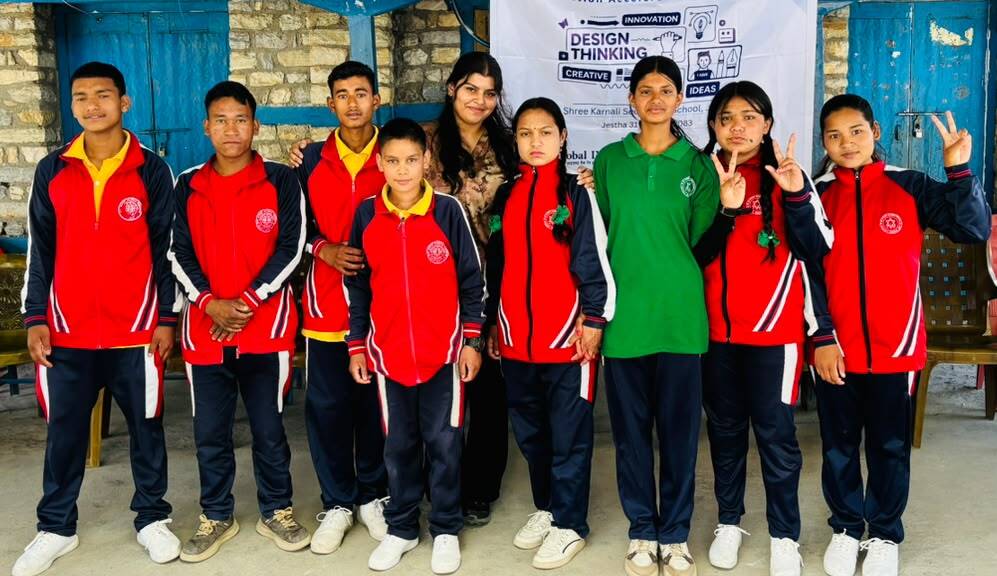
Together with Amien Shakya dai, Trisha Bhatta didi, Skanda didi, and Bishal, I traveled to Jumla to mentor students through a six-day innovation journey. The first five days were dedicated to developing ideas, while the sixth day brought everything together in the form of an exhibition. Although I had heard about iLab before, experiencing it firsthand made me realize that innovation is not something reserved for laboratories or large cities. It can begin in a classroom with nothing more than curious students, local materials, and a willingness to solve problems.
The first day began with excitement. Rather than immediately introducing the students to innovation, we first played games together. These activities helped everyone relax, laugh, and communicate comfortably with one another. By the time the games ended, the students were no longer shy about sharing their thoughts or asking questions.
Only then did we introduce the concept of iLab—observing problems within one’s own community and creating practical solutions that could genuinely improve people’s lives.
The students were divided into five themes: Education, Health, Environment, Agriculture, and Tourism & Culture. Each of us mentored one theme, and I had the privilege of mentoring the Environment theme.
Instead of rushing toward solutions, we spent the rest of the day understanding problems. Every theme first brainstormed ten different issues they observed within their communities. No idea was rejected initially. Students listed everything they noticed, from environmental pollution to challenges in farming, healthcare, education, and tourism.
Once every possible problem had been written down, they carefully discussed which ones affected the greatest number of people and which could realistically be addressed through iLab. The original ten problems were narrowed down to five, and after further discussion and prioritization, each theme selected three major problems to focus on.
That process taught me something important: innovation begins not with solutions, but with asking the right questions.
For the Environment theme, two challenges stood out clearly—the increasing amount of plastic waste and the large quantities of apple peels and walnut husks discarded after harvest. Looking at what everyone else considered waste, the students asked a simple yet powerful question:
“What if these materials could become something useful instead?”
The second day was dedicated entirely to developing solutions.
After discussing numerous possibilities, the Environment theme decided to create two products.
The first was Sunaulo Mehendi, an entirely organic mehendi powder made from discarded walnut husks. Something farmers usually threw away could instead become a natural cosmetic product.
The second was Rang Soochak, a biodegradable litmus paper made from apple peels and turmeric powder. The idea was to provide farmers with an affordable way to determine whether their soil was acidic or basic without purchasing expensive testing kits.
Although I spent most of my time mentoring the Environment theme, I loved walking around and observing the creativity growing within every other theme.
The Education theme transformed learning into an engaging board game inspired by Snakes and Ladders. However, moving across the board depended not only on rolling the dice but also on correctly answering educational questions. Students turned studying into something playful, proving that learning could be both competitive and enjoyable.
The Tourism & Culture theme looked closely at Jumla’s natural resources and developed fragrant incense sticks using apple peels, flowers, and locally available herbs. Their product captured the scent and identity of the region while making use of materials that would otherwise go to waste.
The Agriculture theme recognized that Jumla already produces incredible local products such as Jimbu and Timur, yet these products often lacked attractive branding and packaging. Instead of inventing something completely new, the students focused on increasing the value of existing crops through better logos, packaging, labels, and marketing ideas that could help local farmers reach wider markets.
The Health theme addressed emergencies by creating a portable emergency identification kit. In situations where someone became unconscious or injured, the kit would provide essential information such as the person’s name and blood group, allowing others to provide quicker and more informed assistance. It was a simple solution with the potential to save precious time during emergencies.
Watching every theme tackle completely different challenges reminded me that innovation has many forms. Sometimes it creates entirely new products, while other times it improves something that already exists.
The third and fourth days were when ideas finally became reality.
This was also when reality reminded us that innovation is rarely smooth.
Our biggest obstacle came while preparing the organic mehendi. We needed to grind walnut husks into a fine mixture, but there was no mixer or grinder available. Fortunately, we were able to borrow one from a local resident and continue working on our product.
Moments like these showed that creativity is often born from limitations.
Once the products were ready, we shifted our attention toward branding and presentation.
Six dedicated students from the Environment theme worked tirelessly to package both products. Staying true to our sustainability mission, we washed discarded Wai Wai noodle wrappers and reused them as packaging for the mehendi instead of buying new plastic packets.
We proudly named our products Sunaulo Mehendi and Rang Soochak.
From there, we designed logos, created labels, discussed pricing, developed packaging, and even worked on building a website. Little by little, the students stopped thinking like participants in a workshop and started thinking like entrepreneurs.
By the fifth day, our products were nearly complete.
The focus shifted toward something equally important—communication.
Creating a good product means little if people cannot understand why it matters. Throughout the day, we practiced how students should introduce themselves, explain the problems they had identified, describe how their products worked, answer questions confidently, and encourage visitors to purchase their products.
Although the students fully understood every scientific concept behind their innovations, many initially struggled to explain them in simple words. We practiced repeatedly until their confidence steadily grew.
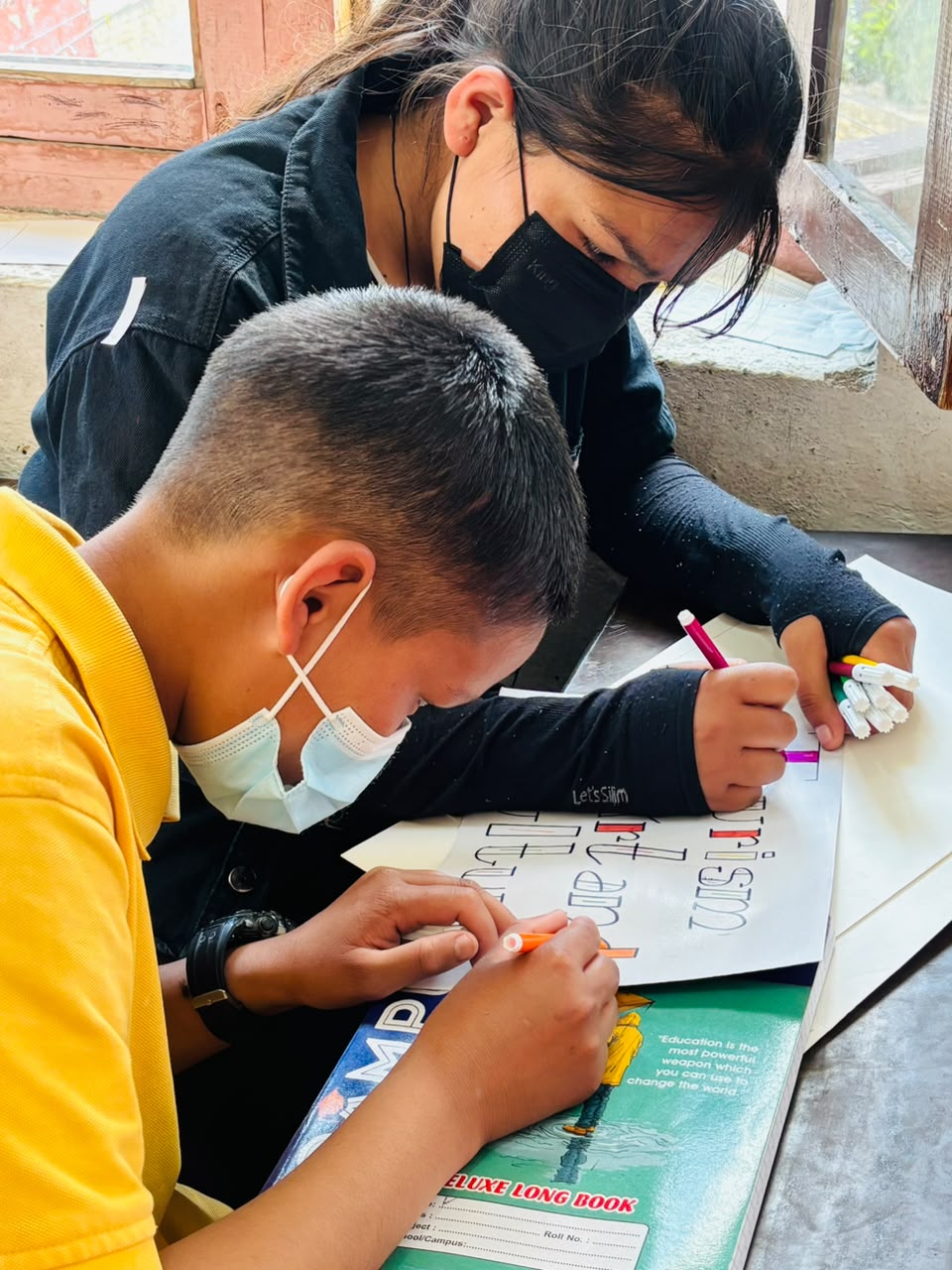
The day was also dedicated to preparing our exhibition stalls. Together, we created colorful chart paper displays using sign pens, carefully writing information about our products, decorating the boards, and making each stall visually appealing. Along with attaching the final labels, neatly placing the litmus paper inside its packaging, and arranging the displays, these finishing touches brought every project to life and made us excited for the exhibition the following day.
By the sixth day, the transformation was incredible.
The students who had once hesitated to speak now confidently welcomed visitors, explained their products, answered questions, and proudly presented the journey behind each innovation.
One of my favorite moments came when we demonstrated Rang Soochak in front of visitors. The natural indicator remained yellow when placed in an acidic solution but turned brown when introduced to a basic solution, successfully demonstrating how farmers could test soil conditions using locally available materials.
Not everything went perfectly, however.
During the exhibition, we noticed that some of the mehendi had begun leaking through its packaging.
Instead of feeling disappointed, the students immediately began analyzing the problem. Together, we realized that the walnut husks should have been completely dried before being ground into powder. Because they still contained moisture, the packaging became damp.
Rather than calling it a failure, the students treated it as feedback.
They confidently explained that next time they would dry the walnut husks thoroughly before processing them, producing a finer powder while preventing leakage. Watching them naturally think about improving their own product reminded me that innovation is not about perfection—it is about continuous improvement.
As the exhibition came to an end, I found myself reflecting on everything those six days had taught me.
Before arriving in Jumla, I already believed Nepal was full of talented young people. After experiencing iLab, I realized just how much untapped potential exists in rural communities. The students did not lack creativity or intelligence—they simply needed opportunities, guidance, and the confidence to believe that their ideas mattered.
This first iLab also transformed me.
Mentoring students strengthened my own creativity, challenged me to think differently, and reminded me that some of the best ideas emerge from paying close attention to everyday life. I saw countless problems that many people had learned to accept, but I also saw students determined to solve them using the resources already around them.
As we left Shree Karnali Secondary School, I carried home far more than photographs and memories.
I carried home a renewed belief that some of Nepal’s greatest innovations will begin in rural classrooms—in places like Jumla—where students are not waiting for change to arrive but are learning to create it themselves.
My first iLab was more than a six-day workshop.
It was a reminder that innovation begins with curiosity, grows through collaboration, and flourishes when young people are given the opportunity to transform local problems into meaningful solutions.
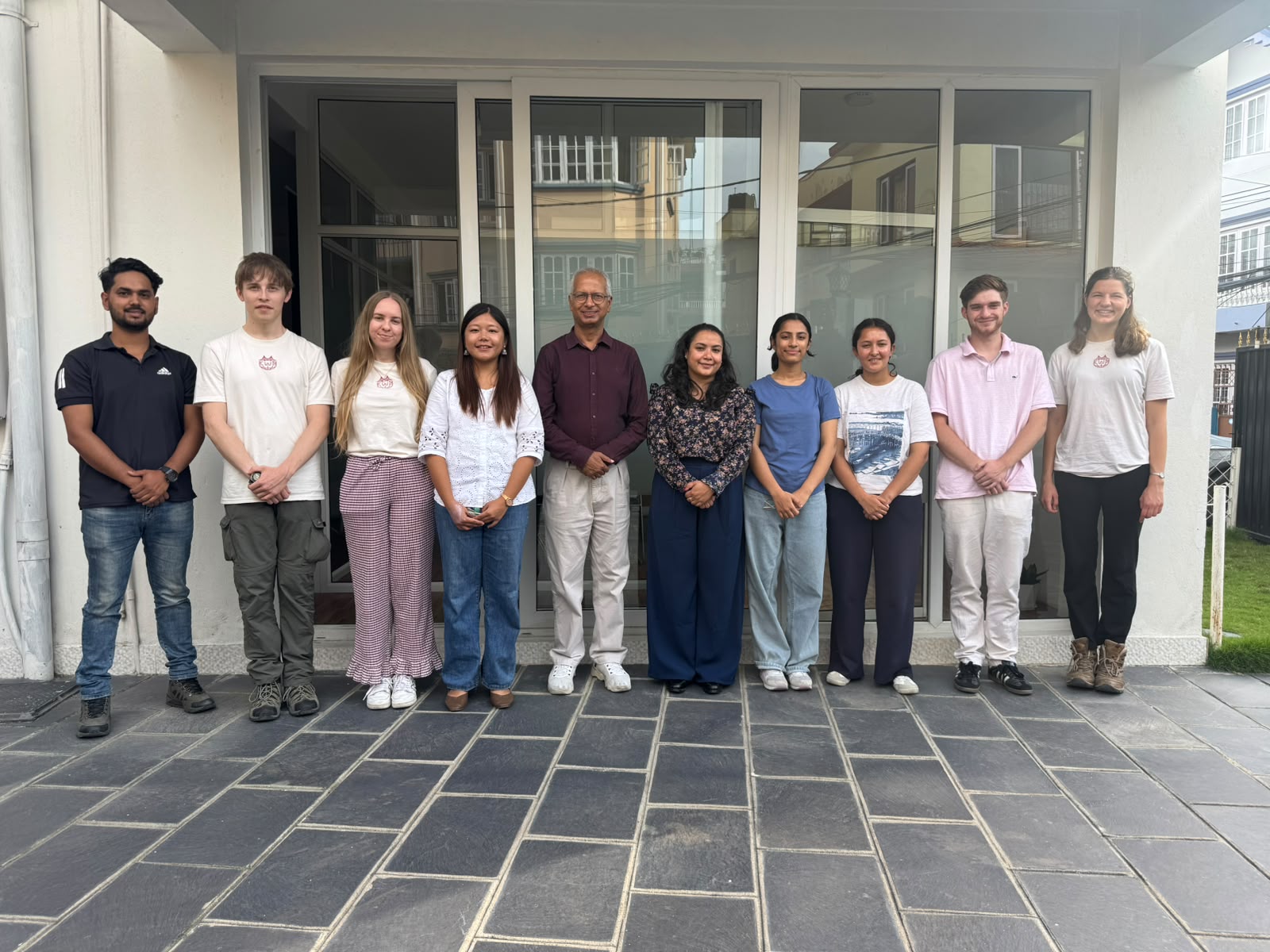
On September 22, three members of Engineers Without Borders (EWB) KIT, Germany, visited the EWB…
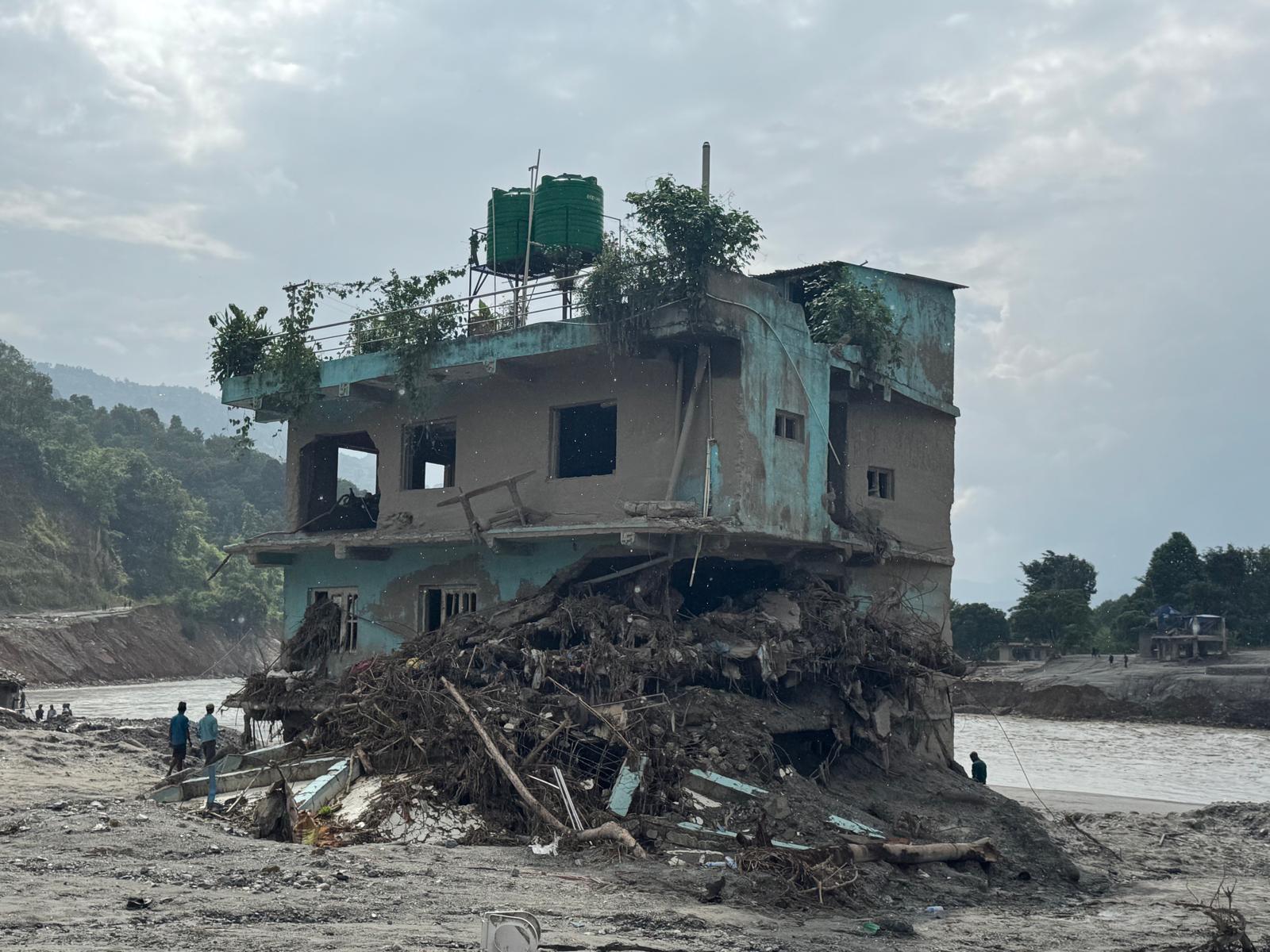
It is one thing to read about a flood. It is another to stand in…
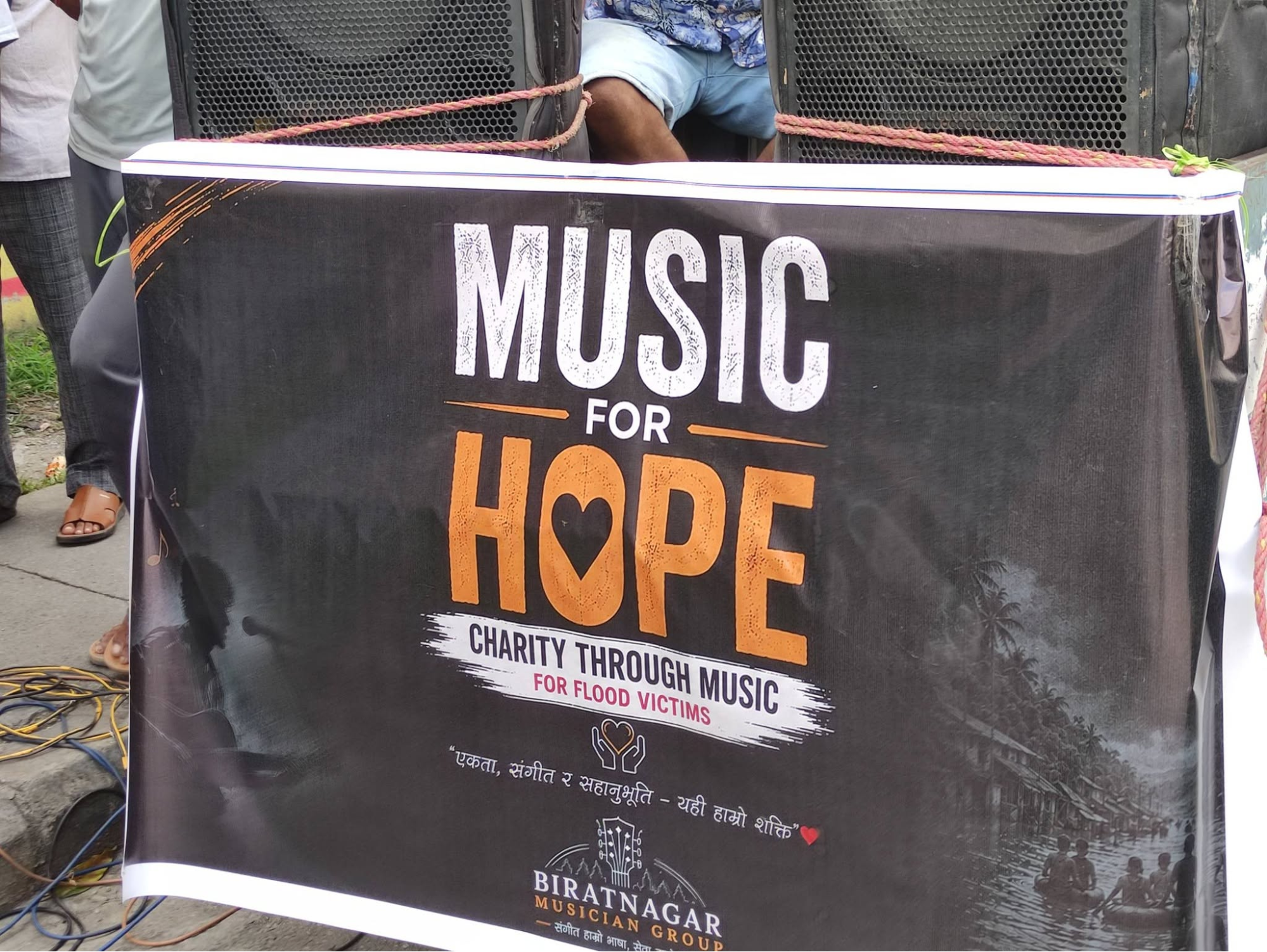
Biratnagar | 2 September 2026 When a disaster happens far from home, there are only…