
June 28, 2026
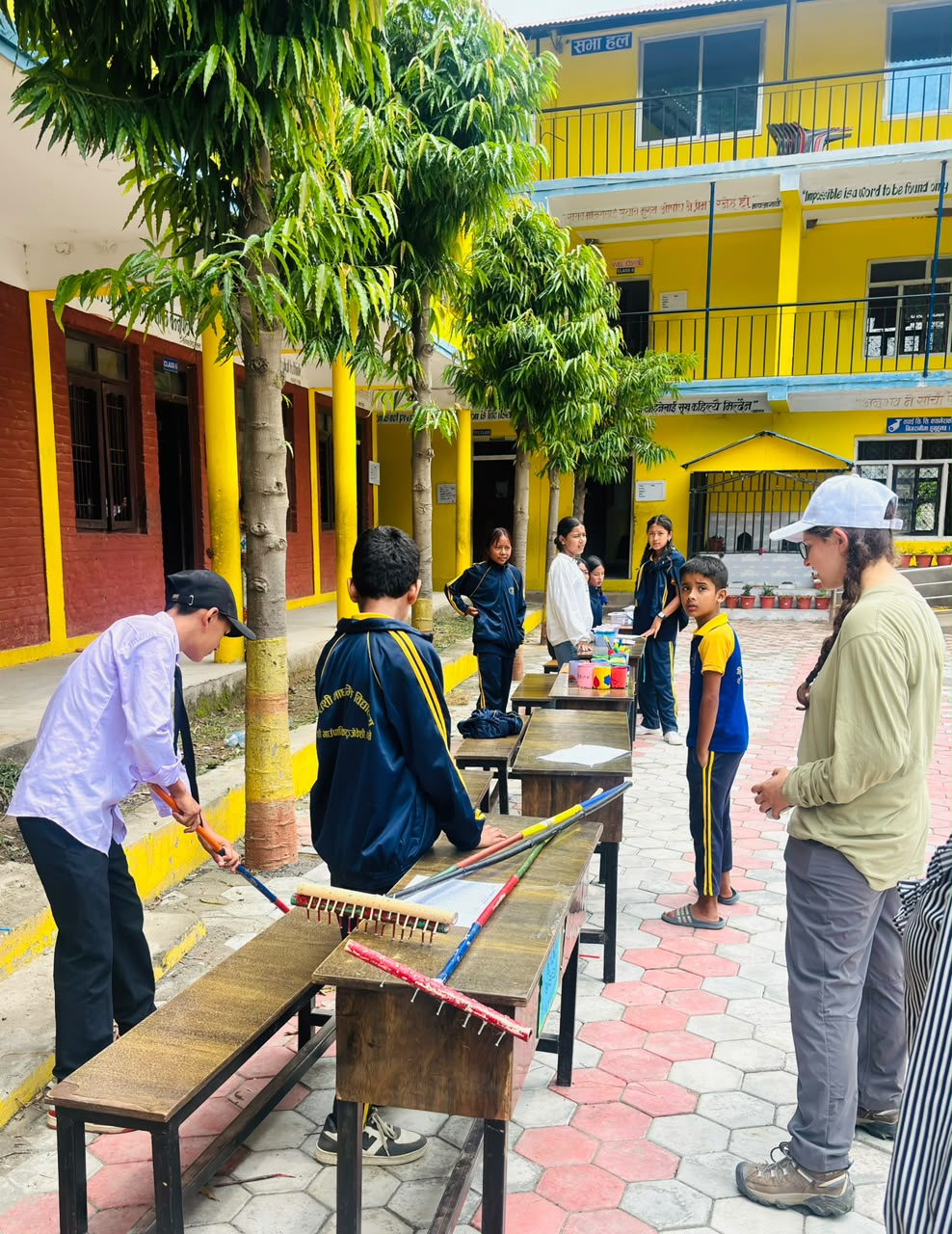
Some journeys stay with you long after they end. For me, iJatra at Roshi Secondary School was one of them.
Together with Trisha Bhatta didi and Amien Shakya dai from STEM Karyashala, I left early in the morning on 26th May 2026 and returned on the evening of 30th May. Over those days, Roshi felt like a small world of its own—filled with creativity, experimentation, and young minds turning simple materials into meaningful ideas.
One of the most memorable experiences was *Snap Roshi*, a locally inspired card game. The students shared that many people were unfamiliar with the names and locations within Roshi itself. To bridge this gap, they created a game where players matched place names with their correct locations and snapped when they found pairs. The game was fast, engaging, and surprisingly educational. Watching people play, laugh, and compete made it clear that learning about one’s own community could also feel like joy and play.
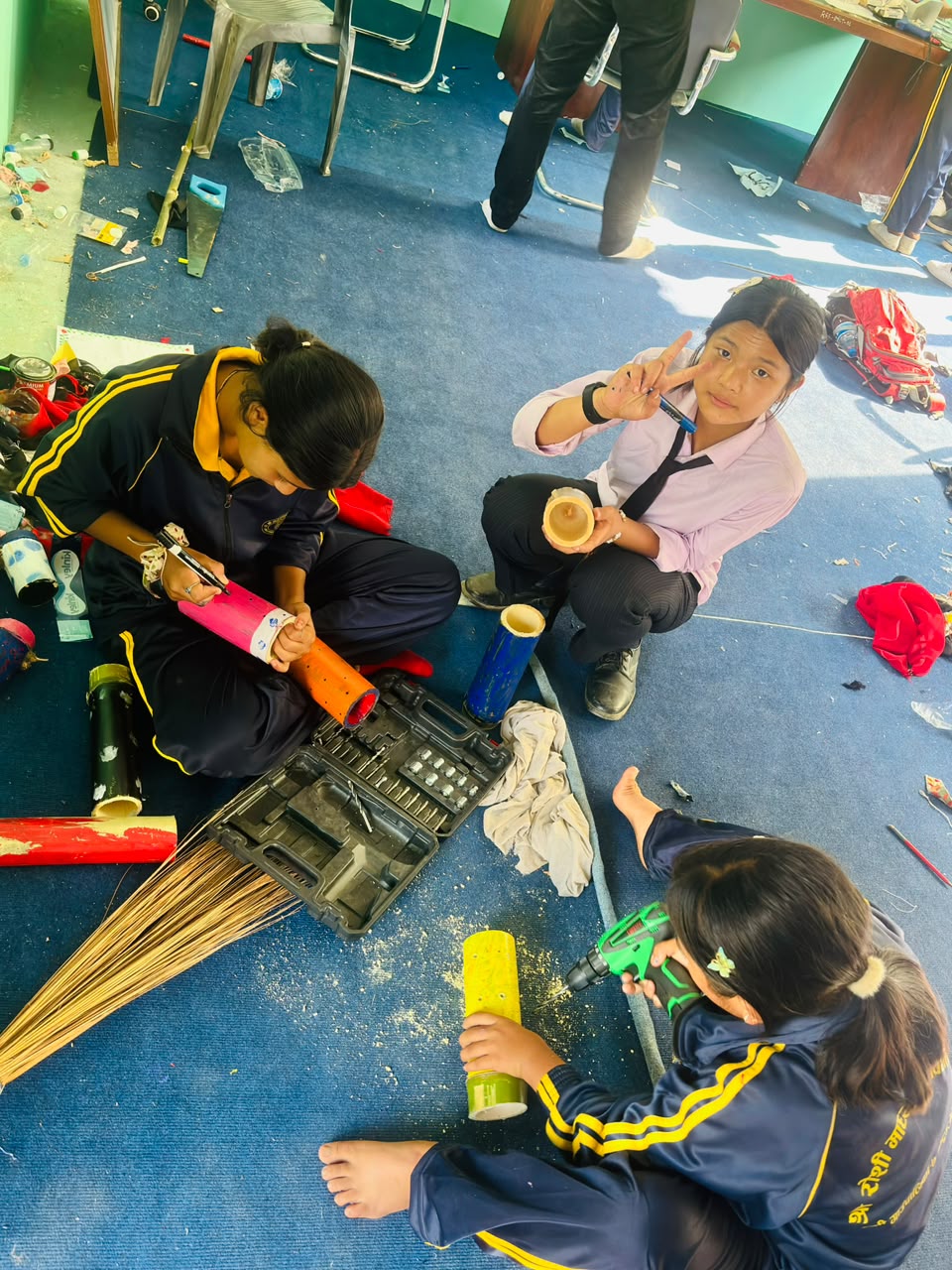
Another innovation that stood out was a rake-like agricultural tool made from bamboo and nails. Designed to collect plastic and waste from farm fields, it looked simple at first glance, but its purpose was powerful. The students had observed a real environmental problem and responded with a practical, affordable solution. Painted carefully and built with intention, the tool reflected both usefulness and pride in craftsmanship.
The bamboo lamps were equally striking. Students cut bamboo, drilled patterns into its surface, and placed lights inside. When switched on, soft light poured through the carved holes, creating glowing patterns across the room. What was once raw bamboo became something warm, artistic, and almost alive with light. It felt like nature itself had been reshaped into decoration.
Sustainability continued through the organic pesticide made by students using cow dung, grass, and local herbs. It was created to protect crops without harmful chemicals. Surprisingly, it did not smell bad and instead reflected how traditional knowledge and local resources can come together to solve agricultural problems in a natural way.
Creativity also showed itself in fashion and accessories. One group made scrunchies from waste clothes, carefully cutting and sewing fabric that would otherwise have been thrown away. With a production cost of around Rs. 6 each, they initially sold them for Rs. 25, later increasing prices to Rs. 35–40 due to high demand. Each scrunchie looked like something from a boutique, yet carried the story of reuse and transformation.
A different group designed headbands from old bordered fabrics, inserting elastic and reshaping discarded materials into elegant accessories. I still remember Anjila Tamang, who reportedly sewed almost all of them within a single day. Watching students use fire to carefully smooth fabric edges showed a level of skill and precision that was deeply impressive.
Among all the students, one that stood out was Nirdesh, a 15-year-old artist. His artwork was mesmerizing. People naturally paused in front of his stall, drawn into the detail and emotion in each piece. Every drawing felt intentional, almost like it was speaking without words. It was hard to believe how much depth and maturity was present in such a young artist’s work.
Beyond these, there were also students who created bamboo pencil holders and others who decorated plastic holders with their own designs. Every corner of the exhibition showed the same pattern—ordinary materials being turned into something personal, useful, and beautiful.
As the event came to an end, the atmosphere shifted from exhibition to celebration. Teachers also brought local produce for sale—fresh cauliflowers and baskets of sweet alu bokhara filled the stalls. We ended up carrying kilos of them back home, their freshness still reminding us of Roshi long after leaving.
Nearby, the smell of pani puri and chatpate filled the air. After hours of walking through stalls and listening to students present their ideas, the food tasted especially rewarding. Crisp, tangy, and full of flavor, it brought people together one last time in laughter and conversation.
As we left Roshi on the evening of 30th May, the hills slowly fading behind us, I realized iJatra was more than an exhibition. It was a collection of small but powerful ideas—snap games about local geography, bamboo transformed into light, waste turned into fashion, and soil problems solved through natural remedies.
More than anything, it was a reminder that innovation does not always begin in labs or cities. Sometimes, it begins in classrooms, in villages, and in the hands of students who simply decide to create.
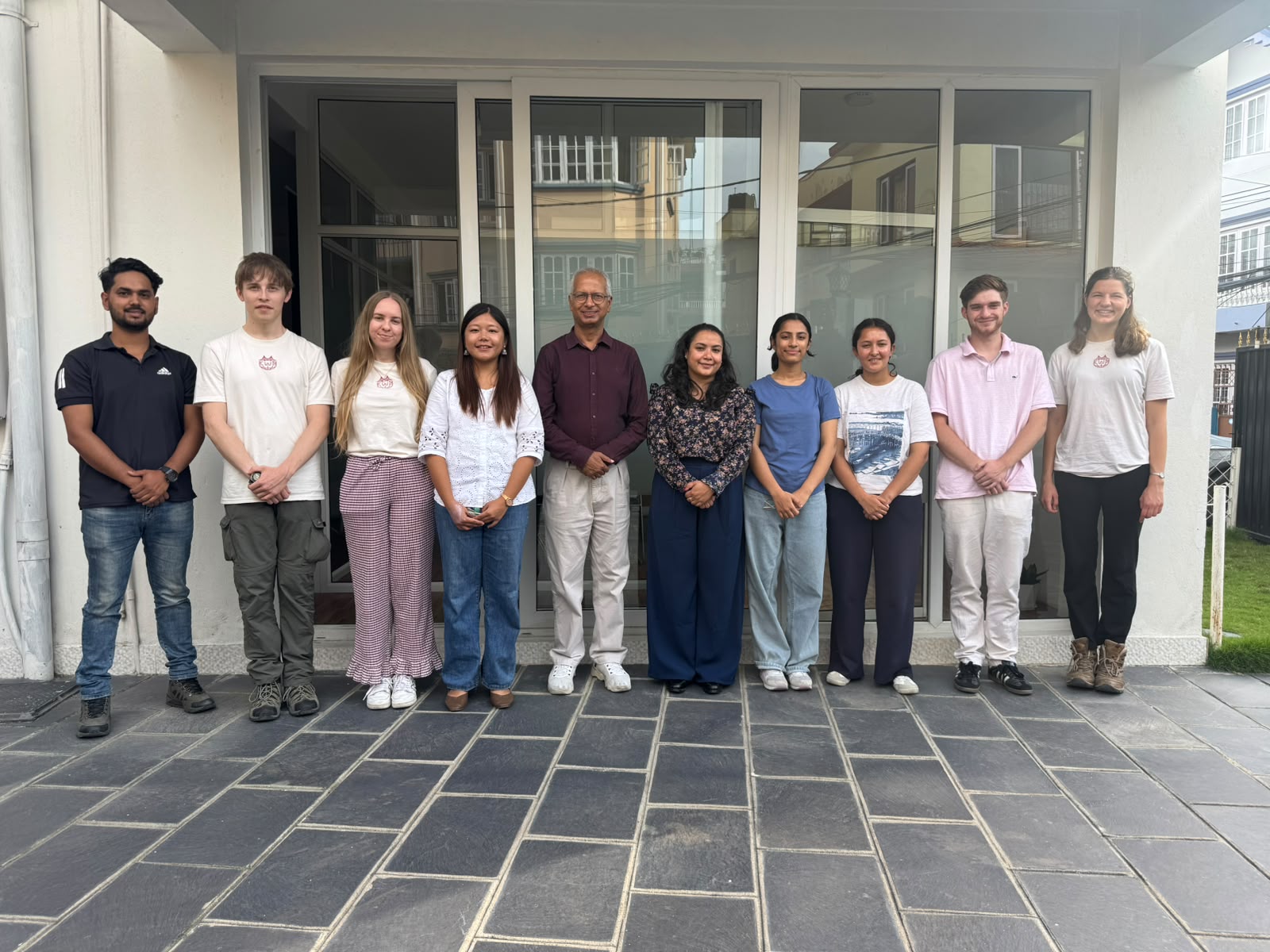
On September 22, three members of Engineers Without Borders (EWB) KIT, Germany, visited the EWB…
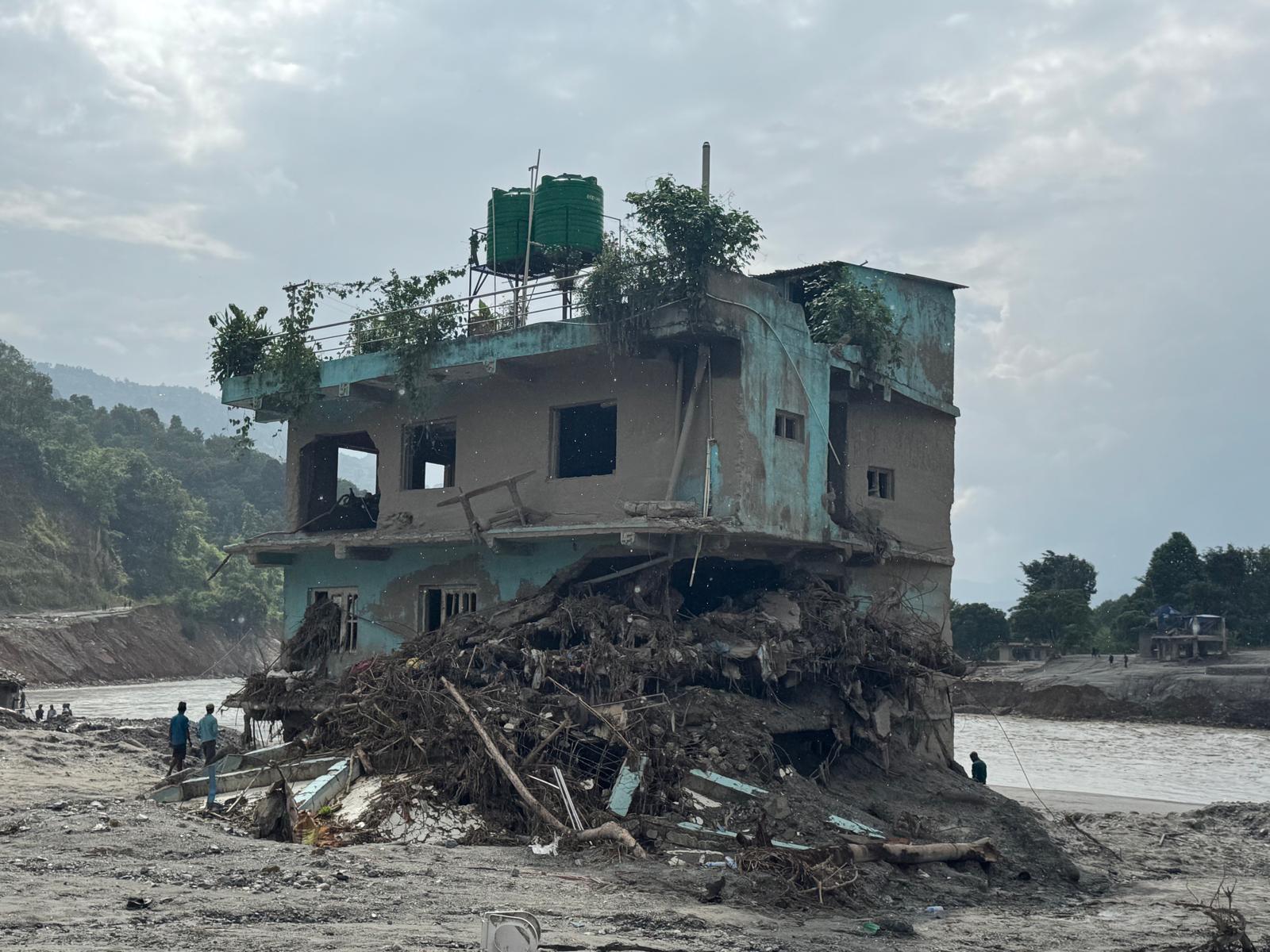
It is one thing to read about a flood. It is another to stand in…
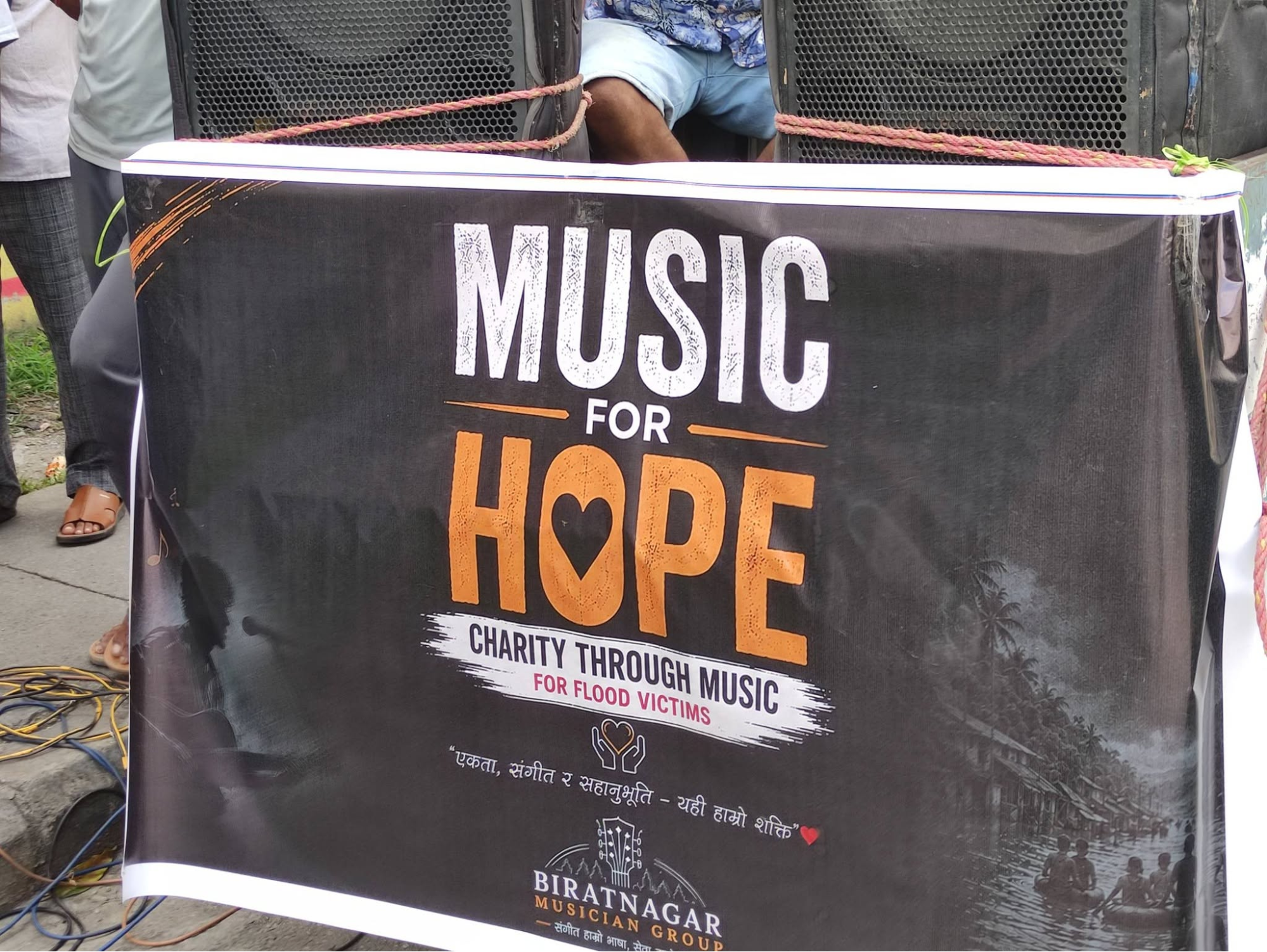
Biratnagar | 2 September 2026 When a disaster happens far from home, there are only…