September 29, 2026
Biratnagar | 31 Shrawan 2083
A flood warning is useful only if people can receive it. An evacuation route matters only if everyone can use it. And a public building cannot truly be called resilient if part of the community cannot safely enter or move through it.
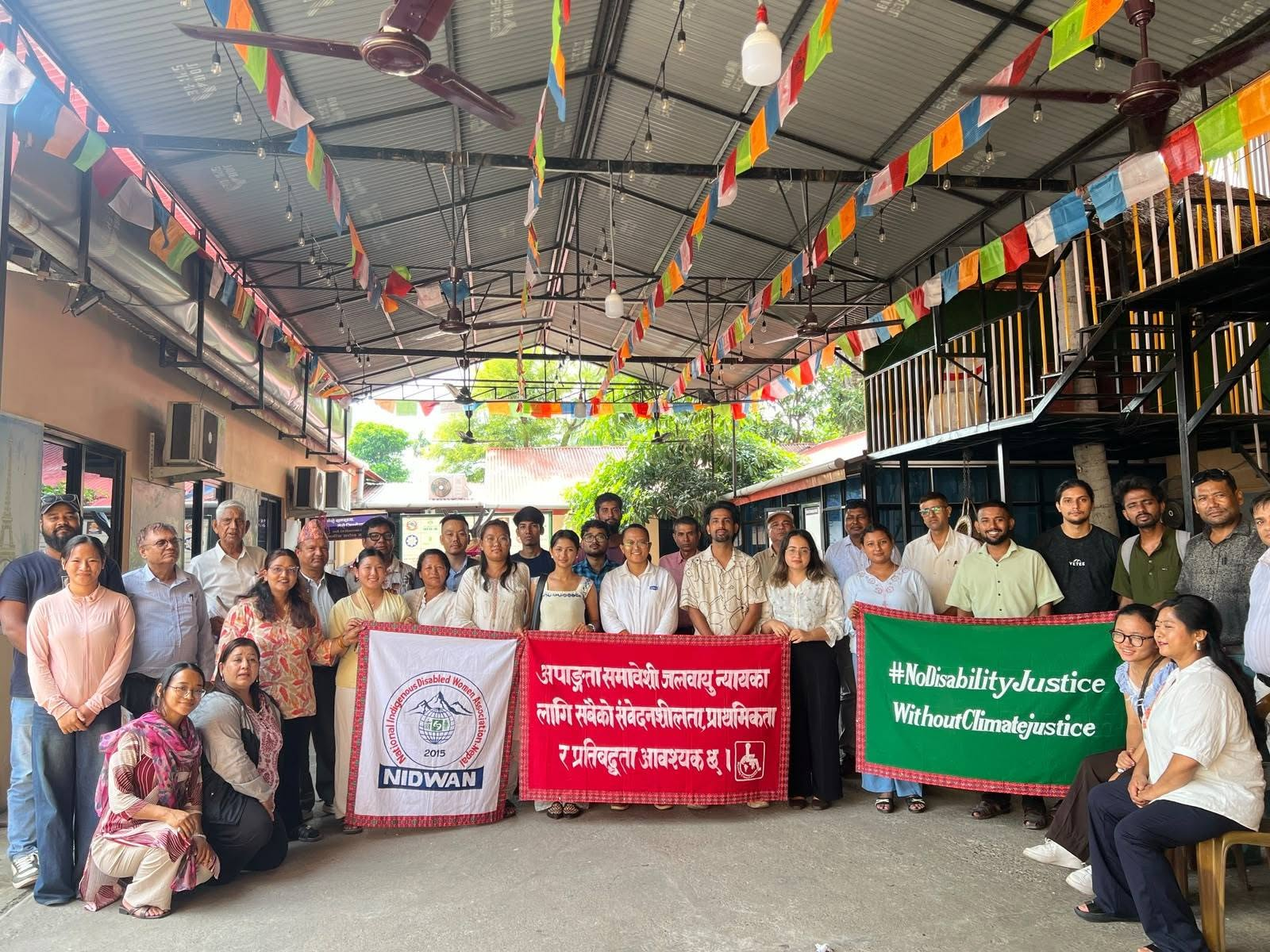
These questions were part of a stakeholder dialogue on disability-inclusive climate action held in Biratnagar on 31 Shrawan 2083.
The dialogue was organized through the AIPDDE Koshi Province structure, with support from NIDWAN and ClimateWorks Foundation. EWBN-PU and हामीEngineer’s took part in the discussion, bringing an engineering and youth perspective to the conversation.
The discussion moved beyond the general language of “inclusive development” and into practical questions: Are early warning systems accessible? Can evacuation plans account for people with different needs? Are public buildings and spaces usable by everyone? Can disaster-risk information be mapped in a way that helps communities prepare?
GIS-based climate and disaster-risk mapping, accessibility assessments of public infrastructure, inclusive preparedness and response, and stronger links between community-based research and technical solutions were among the areas discussed.
For engineering students, these are not abstract questions. The decisions made while designing a road, building, public space, warning system or evacuation route can determine who can use it safely when conditions become difficult.
The dialogue brought together perspectives that are often discussed separatelydisability rights, climate action, disaster preparedness and engineering. Putting them in the same conversation was perhaps the most practical part of the exercise.
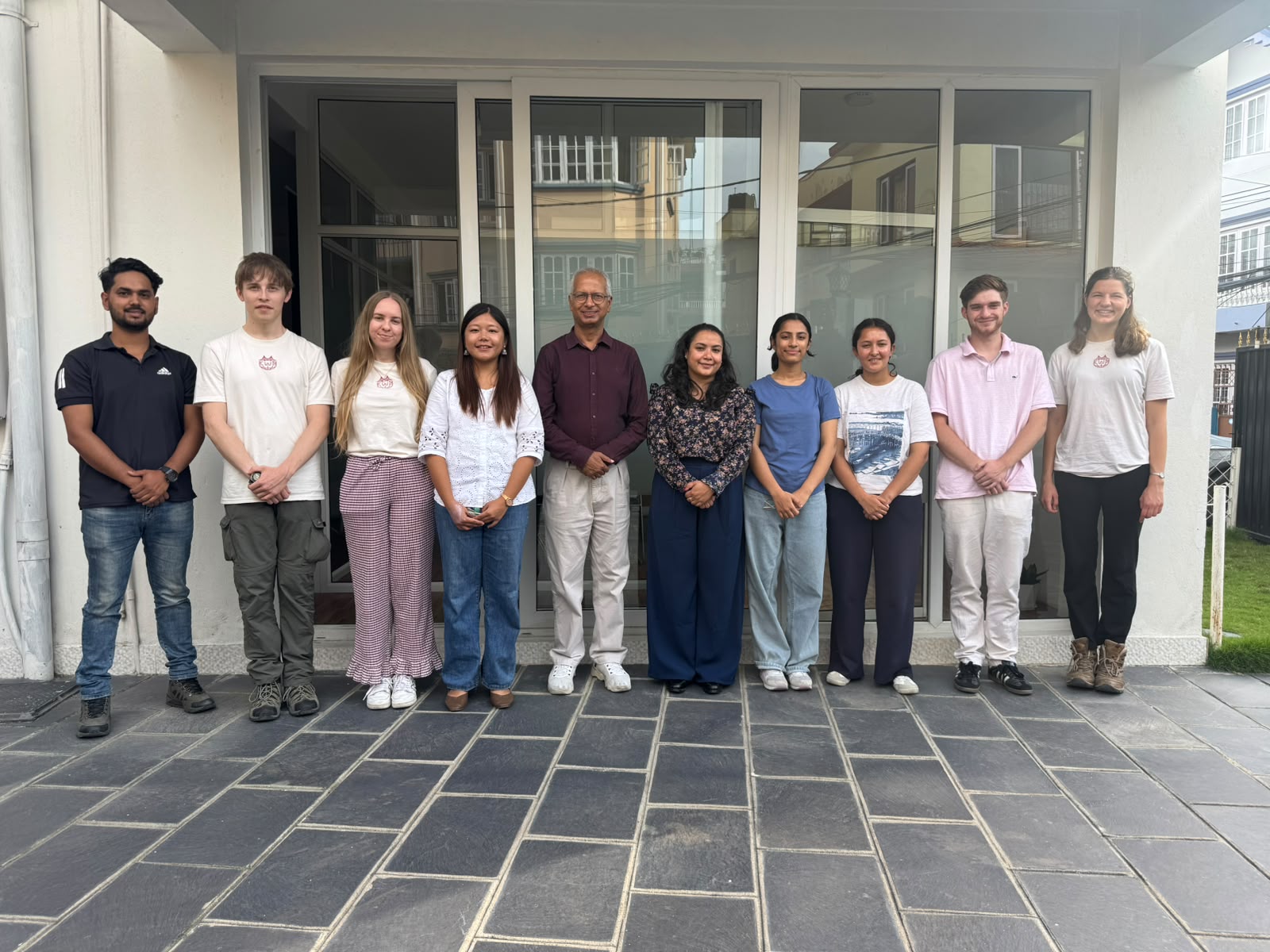
On September 22, three members of Engineers Without Borders (EWB) KIT, Germany, visited the EWB…
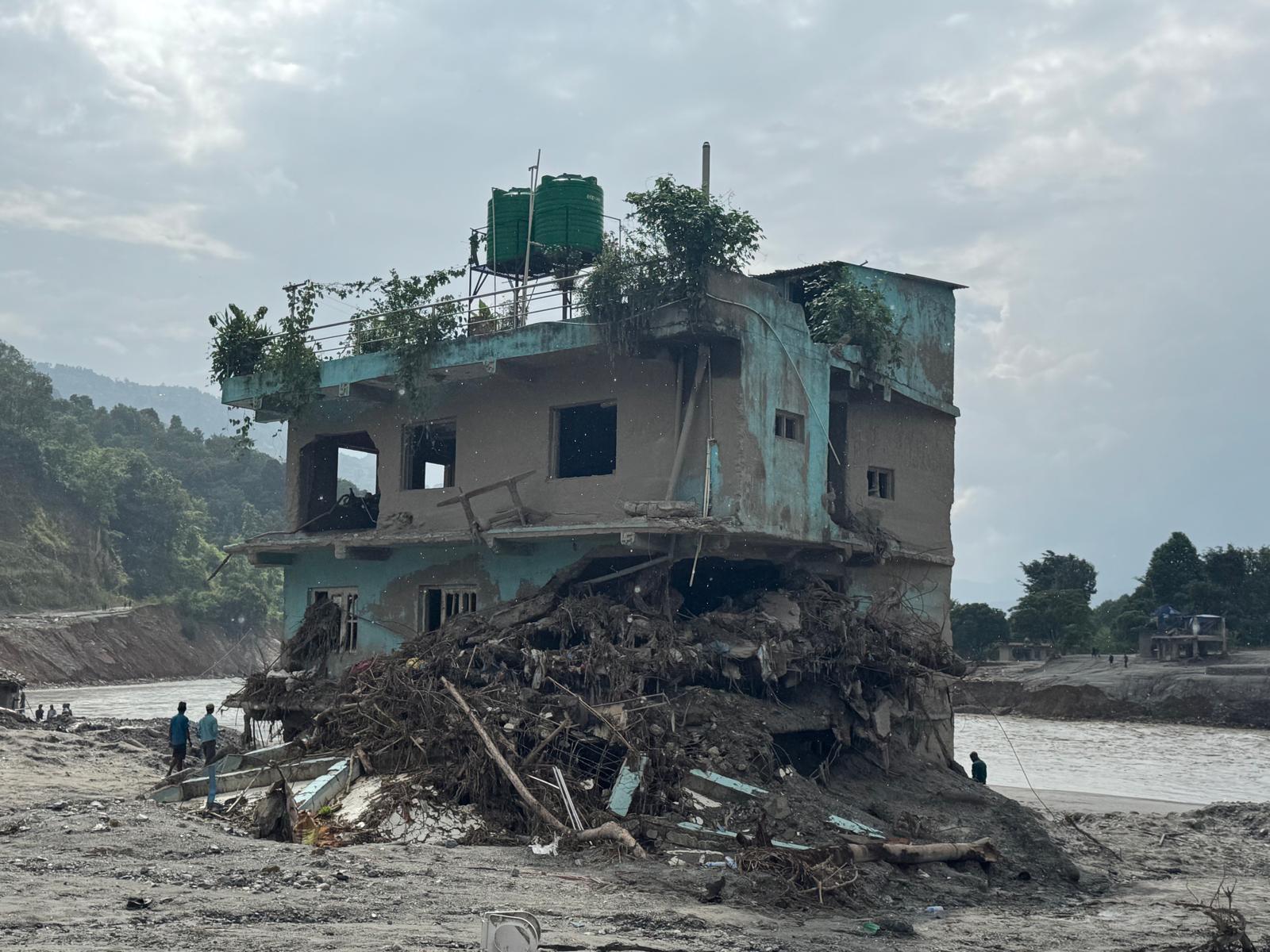
It is one thing to read about a flood. It is another to stand in…
Biratnagar | 2 September 2026 When a disaster happens far from home, there are only…