January 30, 2026
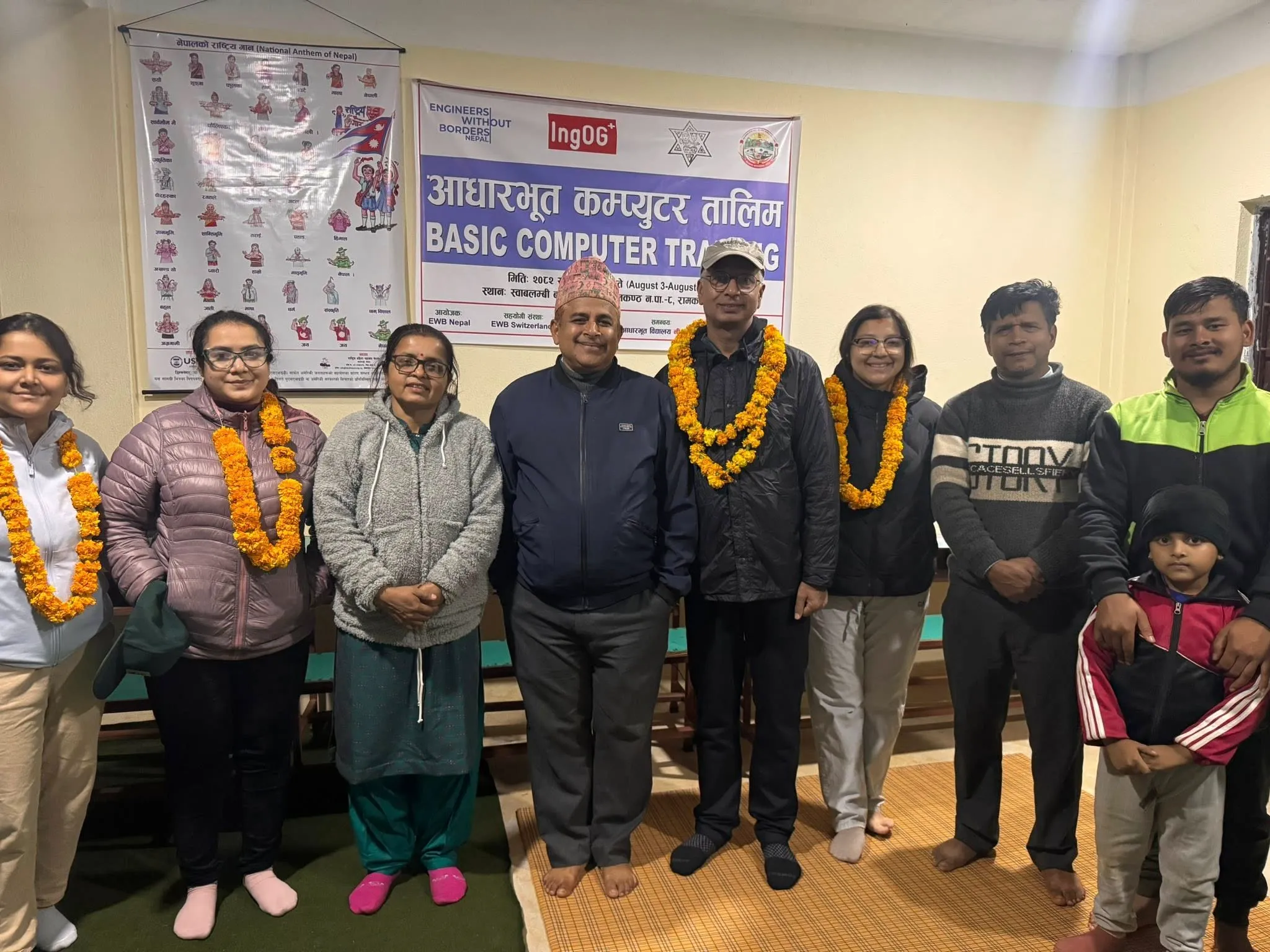
The EWB Nepal team conducted a three-day field visit to Dhading from 18th to 20th November 2025 as a post assessment trip following the Immersive Study Tour of May, 2025. This trip provided insights into the education, infrastructure, livelihoods, and long-term planning needs within the community.
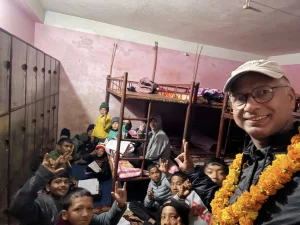
At the Deaf School, the team received a warm welcome from staff and students. While a few students were unwell due to the common cold, overall school operations were functioning well. Recently installed CCTV cameras by a German team have strengthened school security. The earthing and water systems previously supported by Mathieu, a member of EWB Switzerland, were operating effectively. The computer lab was active; however, with only seven laptops available, students were required to share devices, limiting equal participation during classes. To address this, the team suggested conducting computer classes four days a week so each student could have adequate access. At the time of visit, students were learning to use powerpoint. Concerns were noted regarding leaking and damaged water tanks that require replacement. The school also requested support for a playground, as sufficient open space is available. The school is now fully secured with fencing, bars, and two gates, and the school maintains good coordination with Emmanuelle and Pascal.
A community meeting was held with Mr. Prakash Shrestha and Ms. Sarita Shrestha, focusing on education awareness, economic strengthening, and sustainable development. Discussions covered the operation of the agricultural collection centre and cold store system, linking production, grading, and market access. Opportunities to improve homestays around the 500-year-old Ramkot Durbar heritage site were explored, along with the historical significance of the area. Drinking water challenges were highlighted, particularly issues with the zero-level pumping system, requiring motor installation, tank construction, earthing, and filtration. The community has more than 40 active women’s groups and strong local leadership, including participation from the Ward 1 principal. Despite limited municipal funding, local initiatives such as Ramkot Sahakari cooperative, a share-based business model, and plans to implement community health insurance demonstrate strong self-reliance.
Community leaders emphasized the importance of evidence-based project planning, quality workmanship, and conservation-focused development. The need for proper settlement mapping, master planning, and stronger activation of the WASH Board was highlighted. Women entrepreneurship training was identified as a key opportunity to empower women and add value to local products. Guided by the belief “Manav sewa nai dharma ho”—to serve humanity is religion—the community expressed high expectations while remaining committed to maximizing available resources.
The team also visited Eternal Hope Nepal, where the residential facilities were found to be clean, organized, and well maintained. The training centre was temporarily closed as the team was stationed at the Chitwan head office; however, it was noted that the most recent training conducted was a sewing skills program held prior to Dashain.
Overall, the Dhading visit provided deeper insights into prevailing community challenges and the outcomes of the 2025 IST visit.
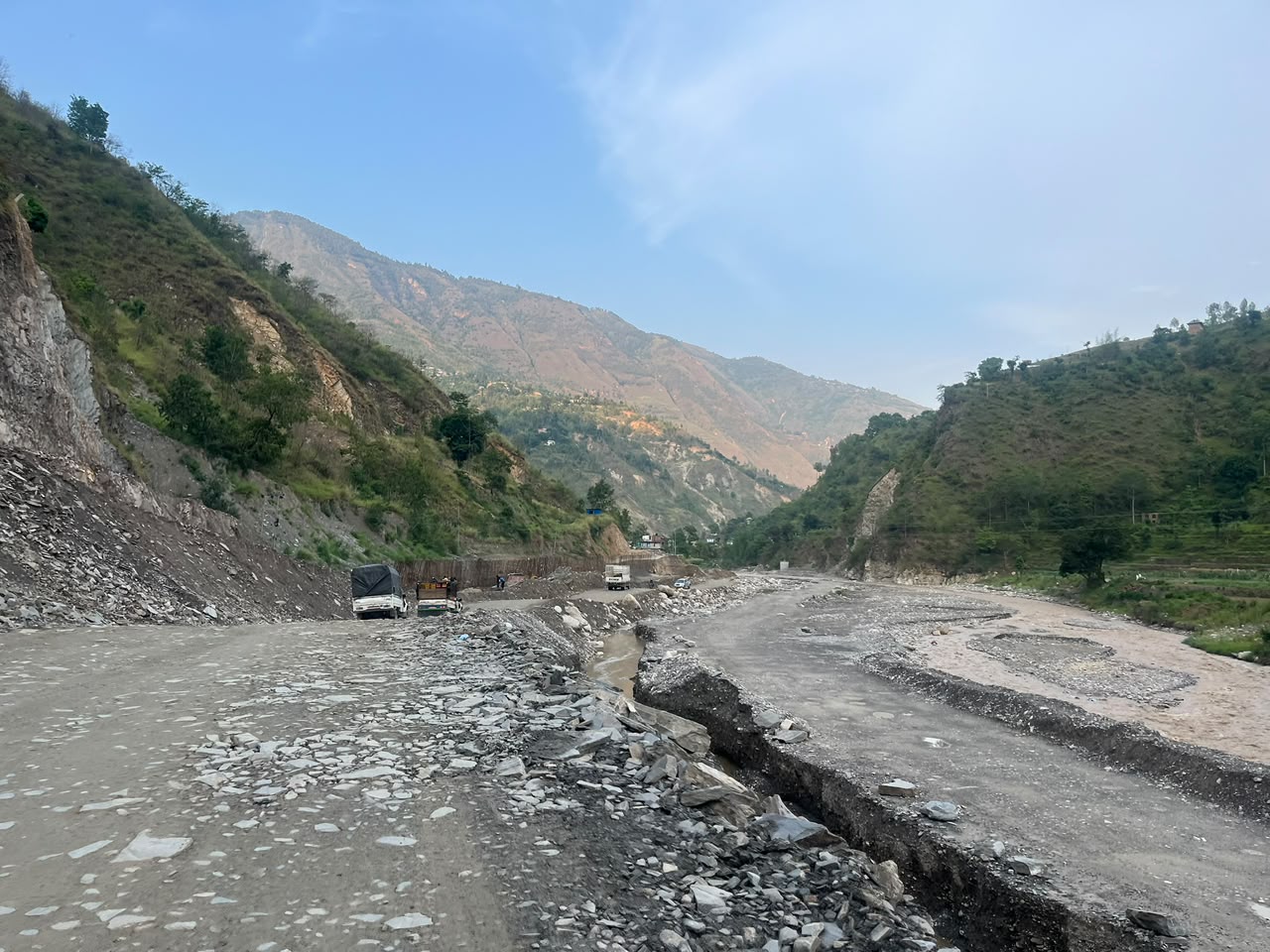
During the implementation of the SRSS Sanitation Project in Roshi, one of the service learners…
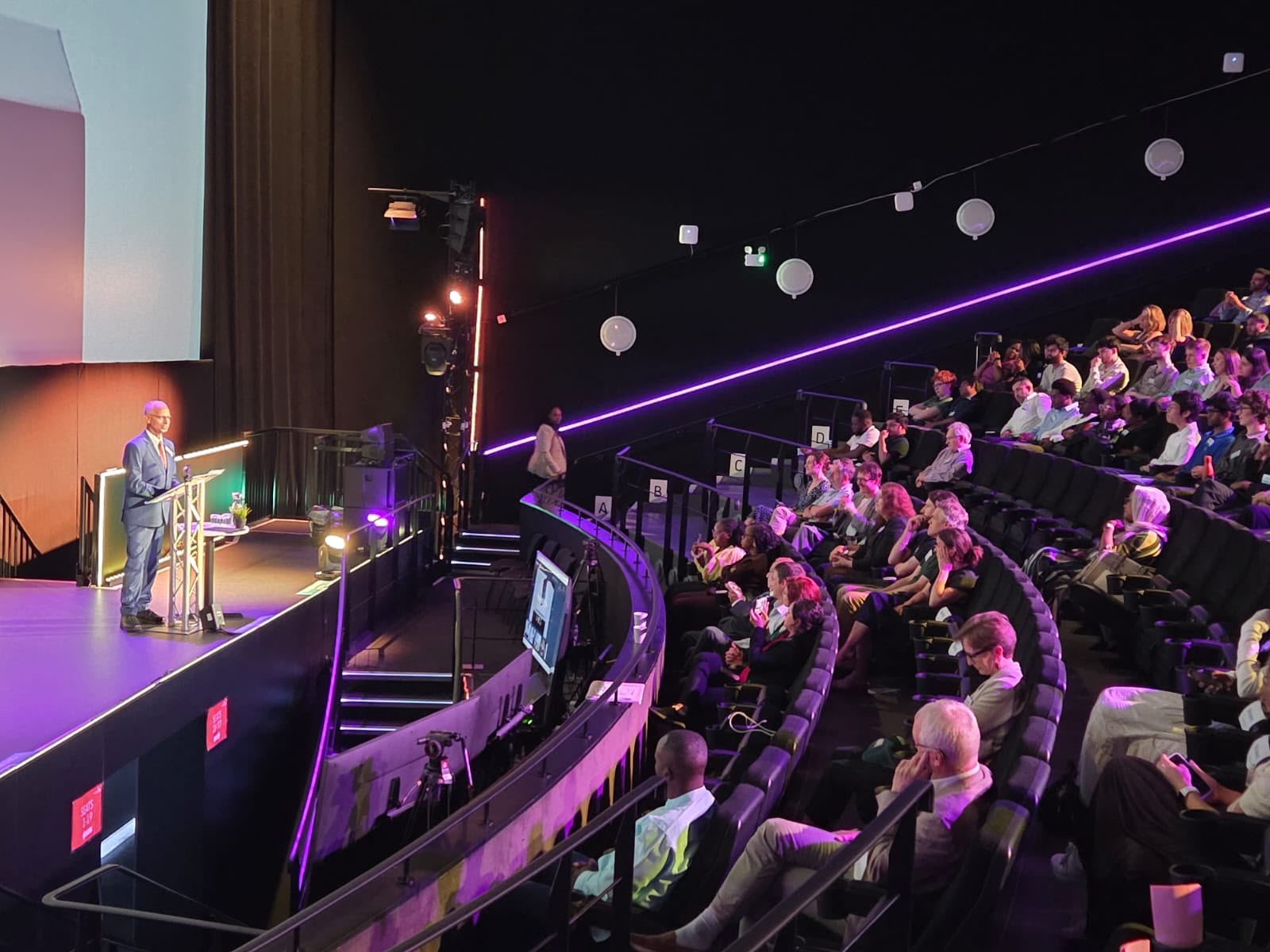
Mr. Kapil Dev Regmi, President of Engineers Without Borders International (EWBI), joined the Engineering for…
During the implementation of the SRSS Sanitation Project in Roshi, one of the service learners…
Mr. Kapil Dev Regmi, President of Engineers Without Borders International (EWBI), joined the Engineering for…
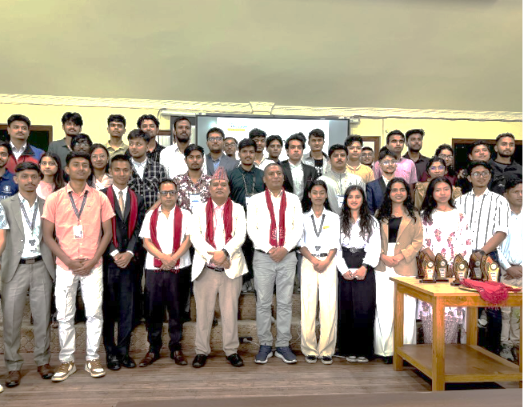
In collaboration with various clubs within the Campus, Pulchowk Campus organized a student-led Career Conclave…