10-15 May, 2026
6 Days
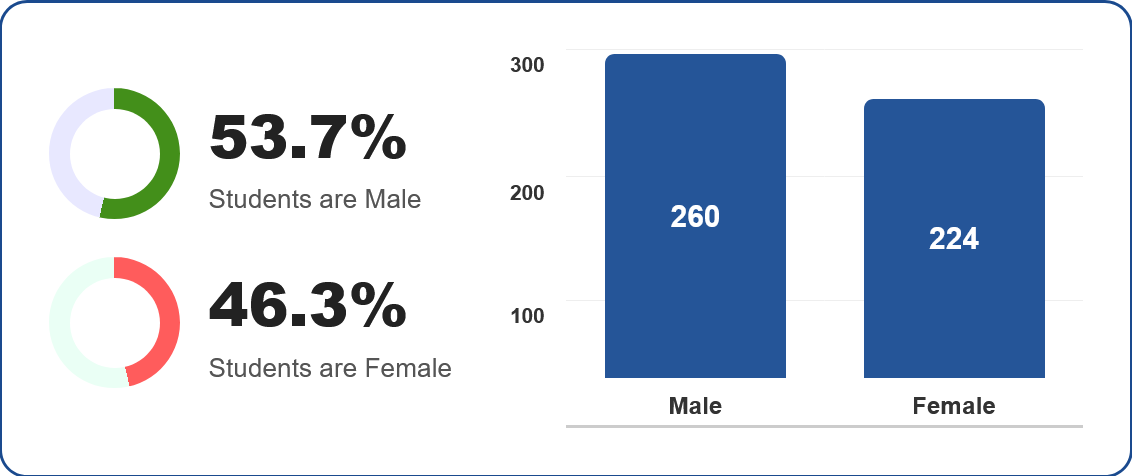
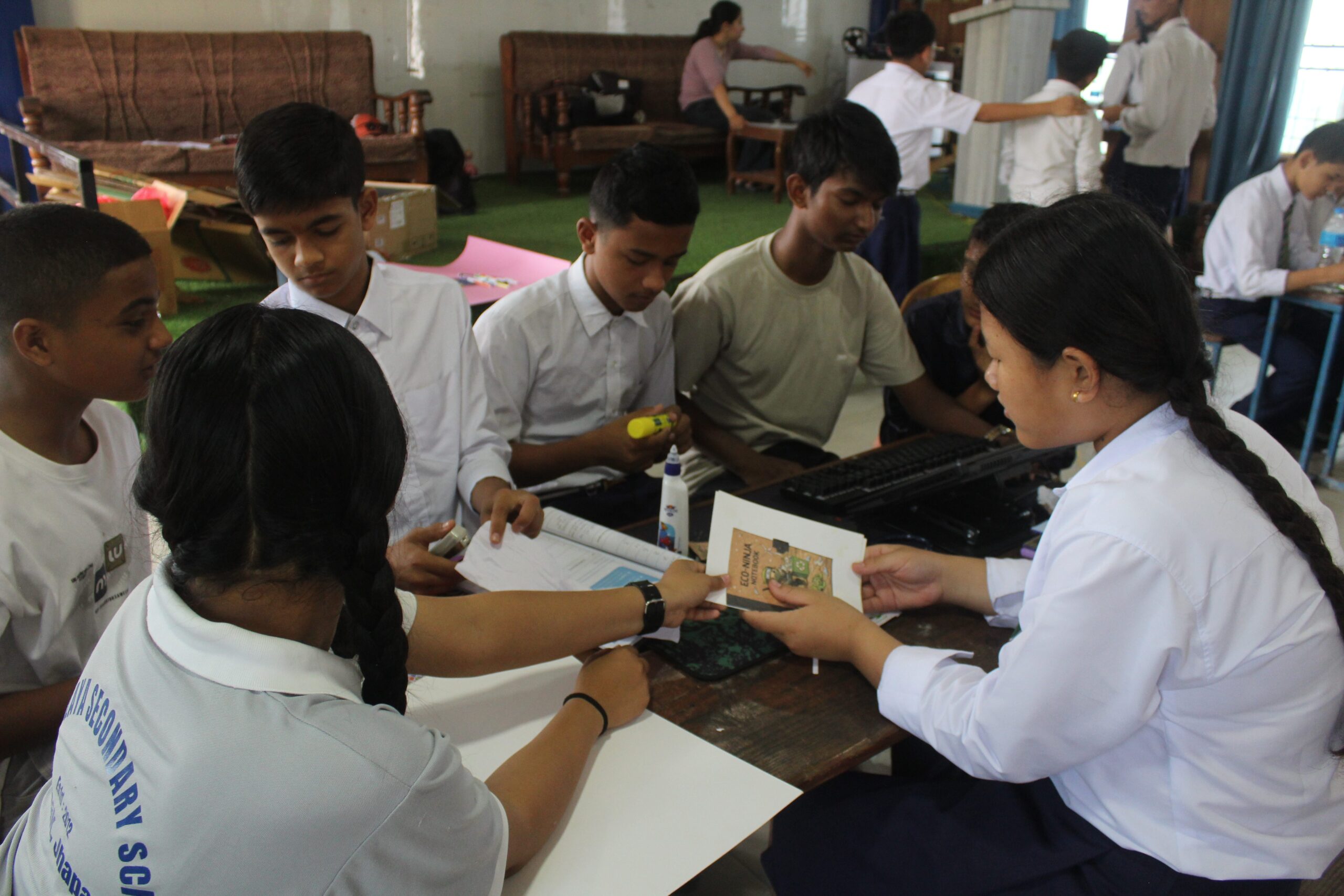
The i-Lab pilot at Himalaya Secondary School, Damak-2 aimed to address gaps in learning quality by providing Grade 9 technical students with hands-on, experiential learning through a school-based makerspace and a six-day Innovation Accelerator Program (IAP). Thirty-six students participated, organized into five teams focused on locally relevant challenges in Agriculture, Art & Culture, Education, Environment, and Health.
The i-Lab (Innovation Lab) model shifts learning from rote memorization to hands-on making, and from copying to creating. By establishing a school-based makerspace, delivering a structured Innovation Accelerator Program grounded in design thinking and applied engineering, and providing post-program teacher support, the i-Lab embeds continuous innovation cycles within everyday school practice.
The project aligns closely with the School Education Sector Plan (2022–2032) by operationalizing its priorities at the school level, specifically contributing to improved classroom practice, expanded experiential and project-based learning, and strengthened inclusion and equity.
iLab Maker-space Setup
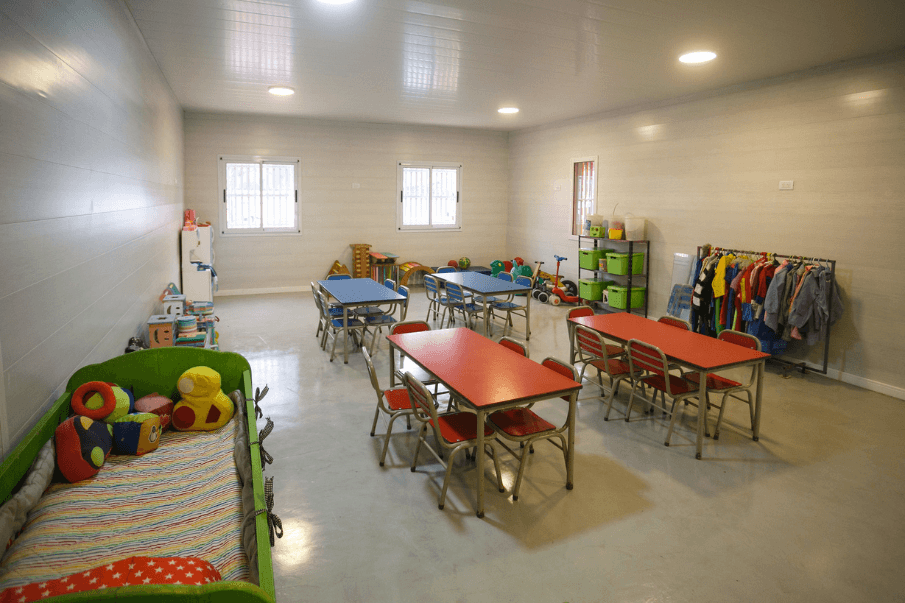
The i-Lab makerspace was established within the school using available space and adaptable infrastructure. It was equipped with essential tools, materials, and low-cost resources to support hands-on experimentation, collaboration, and safe prototyping.
Student Enterprise Groups
Each student team developed solutions based on local challenges. During the six-day Innovation Accelerator Program, five student teams worked under the thematic areas of Agriculture, Art & Culture, Education, Environment, and Health.
Agriculture1. Ma Chu Ni
Main problem
Entering farmers across Jhapa struggle to establish viable crops because they lack technical knowledge regarding crop management, seed quality, and precise fertilizer or soil nutrient requirements.
Solution
A ‘Smart Seed Starter Kit’ that serves as an all-in-one practical tool and informational guide. The kit provides seeds alongside a visual calendar and measurement tools for quantity control.
Key features
Art and Culture2. Babuk
Main problem
The indigenous cultural heritage of the Kirat, Rai, and Limbu communities is on the verge of extinction as ritual artifacts like the Chindo are no longer being preserved by younger generations.
Solution
A creative intervention that reimagines the traditional Chindo gourd flask as a universal artistic souvenir by cleaning, curing, and intricately hand-painting modern patterns onto its surface.
Key features
Education3. DMK LearniX
Main problem
Core technical courses rely on rigid textbook memorization. This theoretical approach and communication barriers leave school laboratory equipment underutilized and students unprepared.
Solution
A system to integrate curriculum-aligned interactive games into standard lecture periods. By transforming static blocks into play-based sessions, it re-engages student focus during class transitions.
Key features
Environment4. ECO-Ninja
Main problem
There is a significant environmental awareness gap regarding plastic and land pollution. Theoretical education fails to incentivize students to take action in the Damak community.
Solution
An interactive board game coupled with a rewarding challenge logbook that gamifies waste management education. It transforms environmental theory into a competitive classroom challenge.
Key features
Health5. MOSQUITOX Hunter
Main problem
Jhapa residents face severe health risks and sleep deprivation due to massive mosquito breeding in tropical plains and stagnant water, leading to Dengue and Malaria.
Solution
An affordable, non-toxic organic mosquito repellent spray formulated from locally sourced herbs such as Bakaino (Melia azedarach), Neem, and Lemongrass plants.
Key features
Expected Outcome
Picture Gallery
EWB Nepal comprises a diverse community of volunteers, members, supporters, professionals, and academics. By making a contribution, you are supporting a global network of people passionate about using their engineering skills to solve humanitarian challenges.