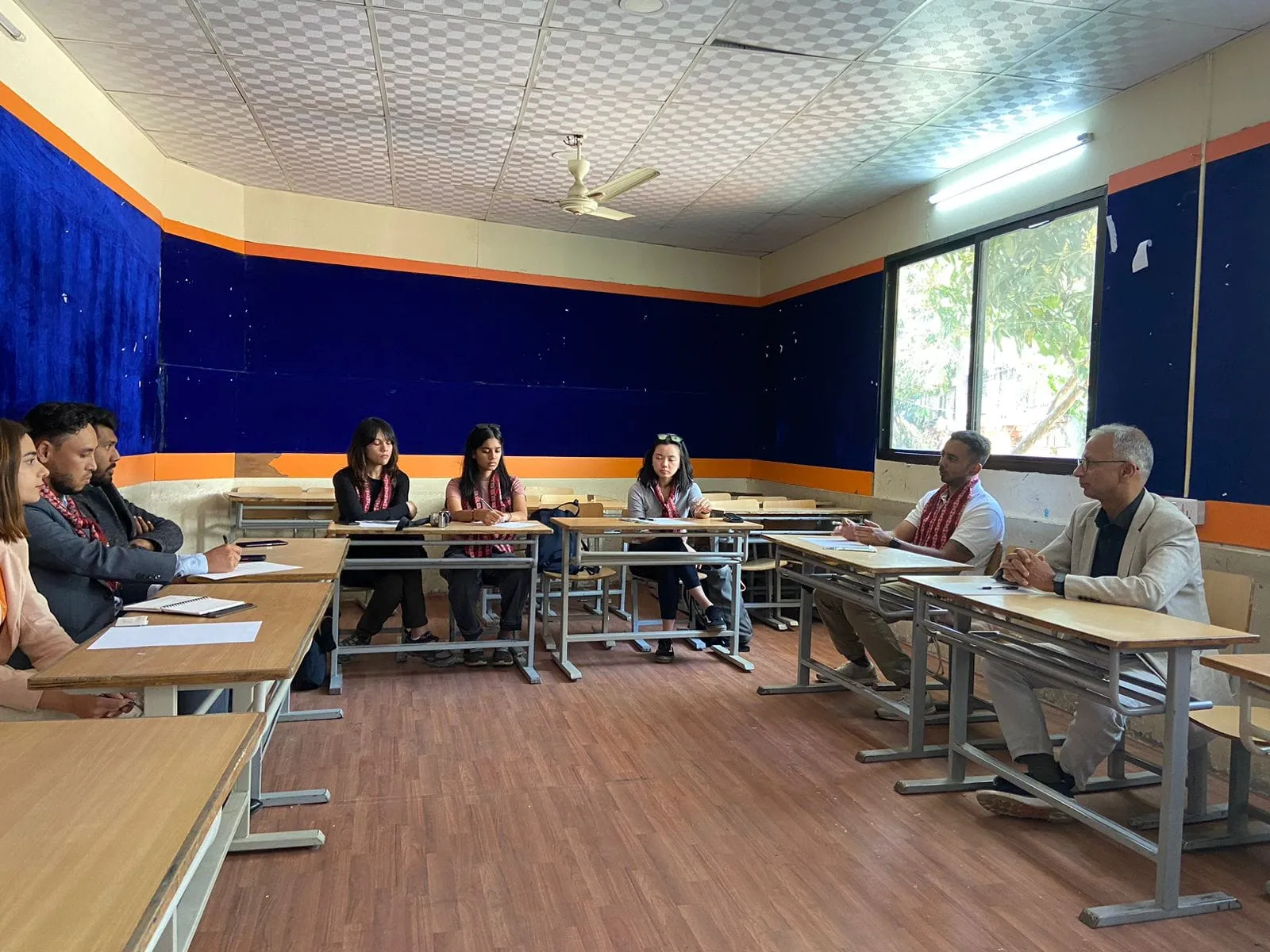
EWB Nepal’s: Building the resilience through engineering and innovation.
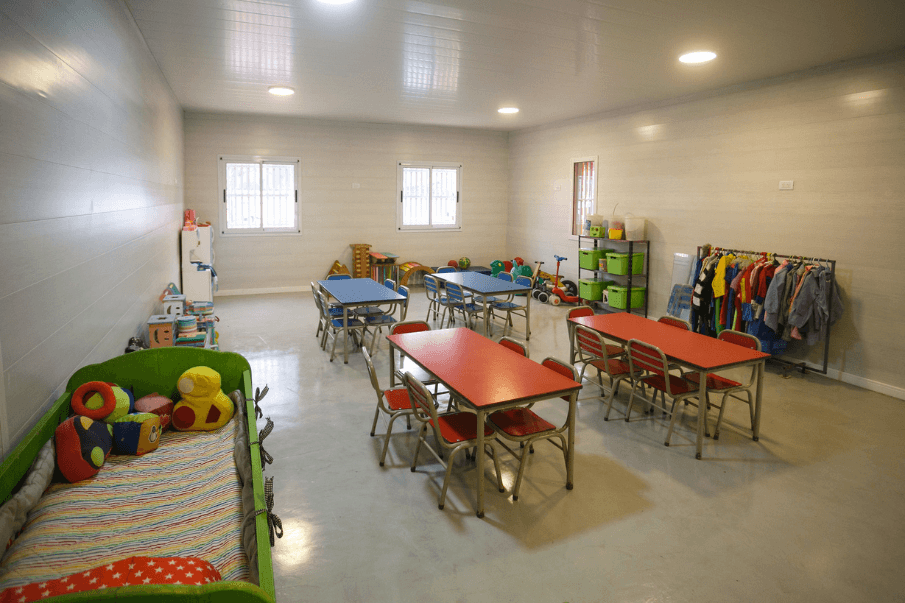
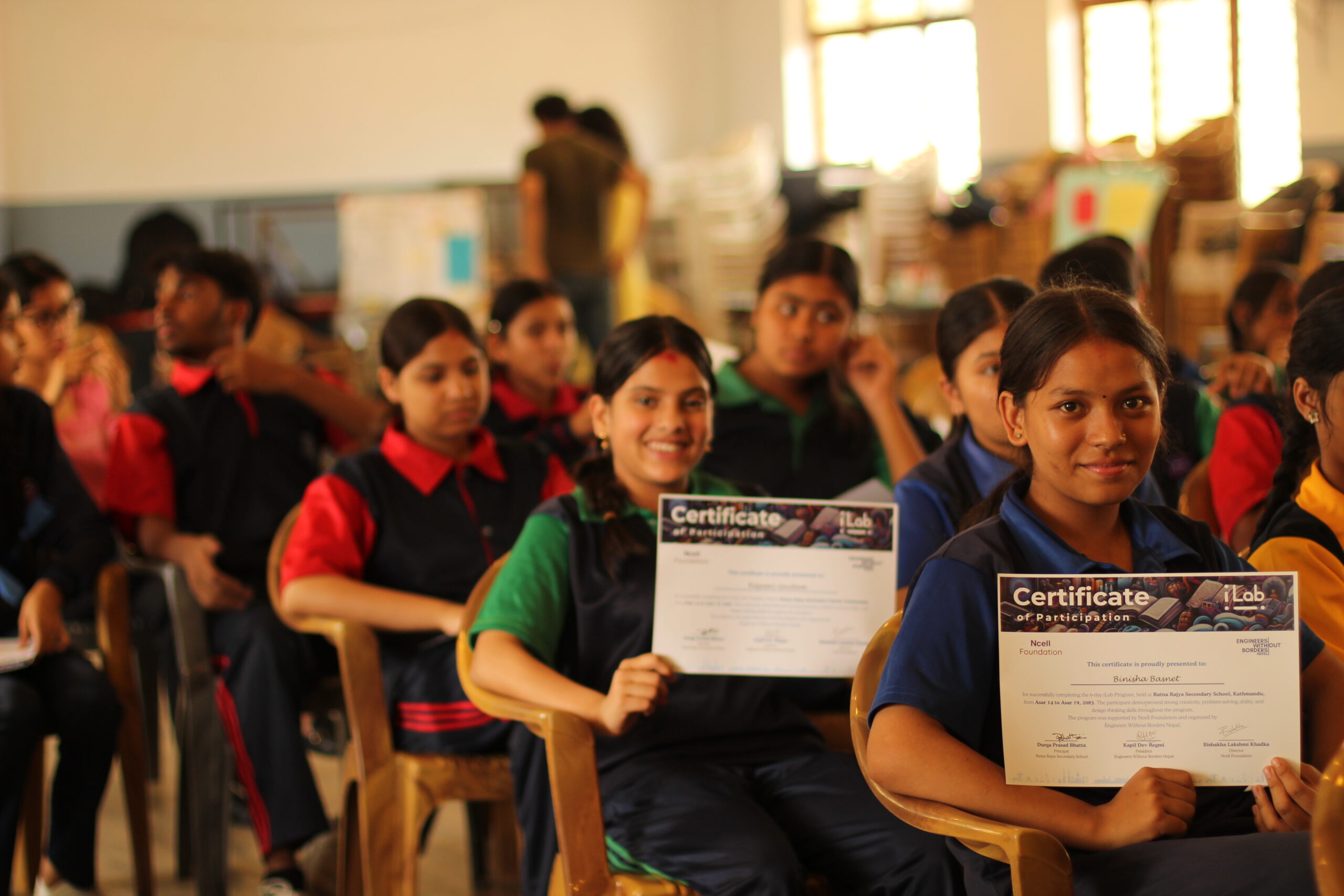
At Engineers Without Borders (EWB) Nepal, our mission is rooted in creating sustainable transformation in local communities through practical engineering solutions and social empowerment. As a committed non-governmental organization (NGO) working at the forefront of societal change, we understand the importance of education in fostering lasting development. We aim to enhance access to quality education, provide infrastructure that supports learning, and empower individuals to become change agents in their own communities.
Commitment Areas: Engineering
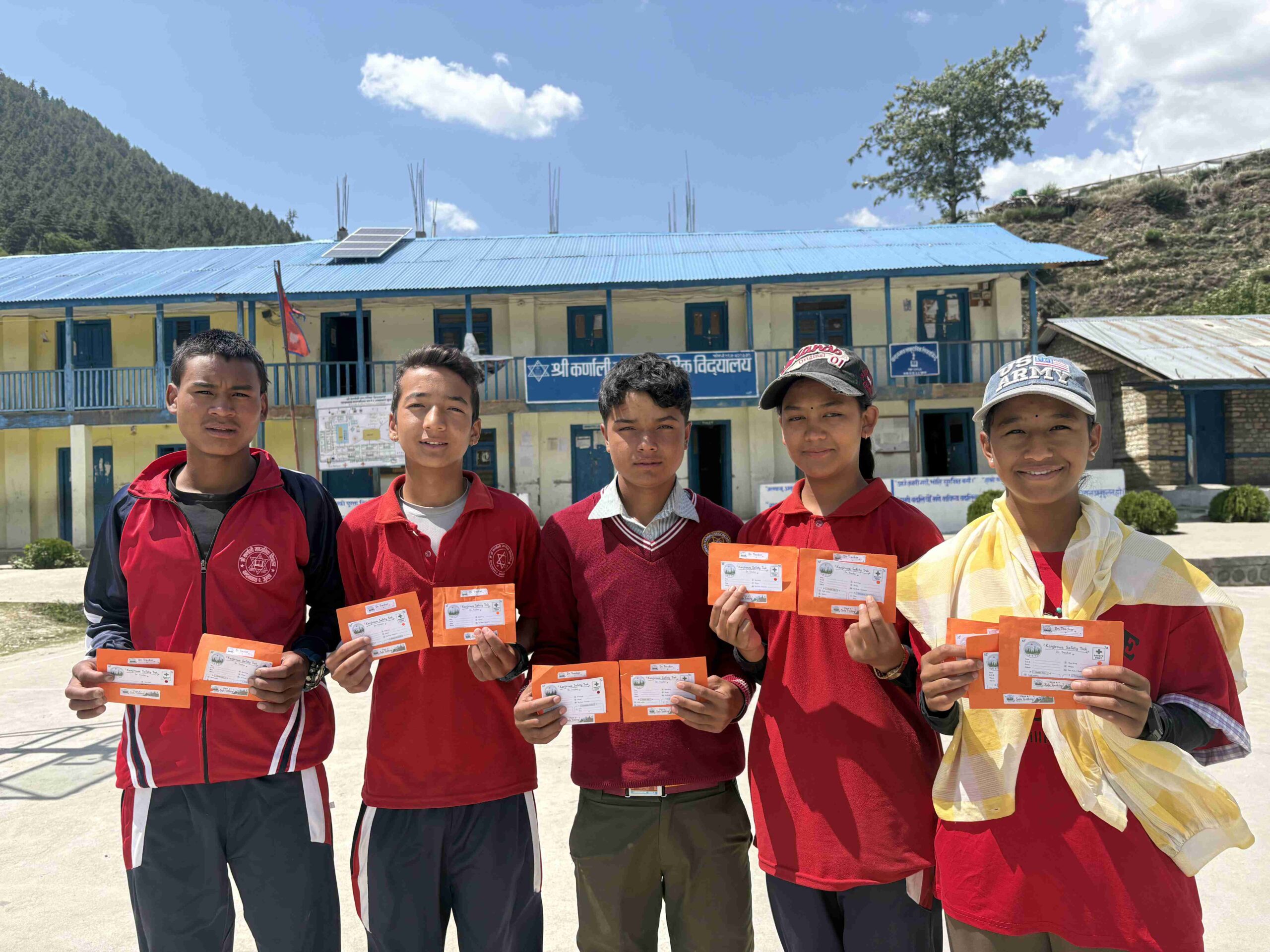
One of our primary focuses is applying engineering as a tool for resilience, equity, and development. We believe that appropriate, community-driven engineering solutions are essential to improving living conditions, reducing vulnerability to disasters, and strengthening local capacities. In many rural and underserved areas of Nepal, communities face challenges such as inadequate infrastructure, unsafe water and sanitation systems, poor waste management, limited access to technology, and high exposure to natural hazards.
To address these challenges, EWB Nepal works closely with local communities, academic institutions, government bodies, and global EWB networks to co-design and implement sustainable engineering solutions. Our engineering-focused initiatives include:
Access to clean water and proper sanitation remains a critical issue in many regions. Through engineering-led WASH interventions, EWB Nepal designs sanitation infrastructure tailored to local environmental and social conditions.
EWB Nepal integrates emerging technologies such as photogrammetry, drone-based mapping, and digital tools to address complex challenges. These innovations support heritage preservation, waste management in remote Himalayan regions, and data-driven decision-making for community development.
In collaboration with academic institutions, EWB Nepal engages in research and development of assistive technologies, including prosthetics, to improve mobility and quality of life for individuals with disabilities.
Engineering solutions also extend to digital infrastructure and accessibility. Projects such as cyber cafés for deaf schools and marginalized groups promote digital inclusion, accessibility, and equal participation in an increasingly technology-driven society.
Sustainability at the Core of Our Work
Sustainability is fundamental to all engineering initiatives undertaken by EWB Nepal. Our projects prioritize the use of locally available materials, environmentally responsible design, and community participation. By strengthening local technical capacity and promoting ownership, we ensure that engineering solutions remain functional, adaptable, and beneficial well beyond the project lifecycle.
At Engineers Without Borders Nepal, we are committed to making a meaningful difference in the lives of people in rural and underserved areas by leveraging engineering for social good. Through innovative, inclusive, and sustainable engineering practices, we aim to build resilient communities capable of facing future challenges with confidence.
Together, with our partners and supporters, we can continue to transform lives and create lasting impact—one community, one solution, and one project at a time.
For more information or to support our initiatives, visit our website and join us in advancing sustainable development through engineering and innovation.
Engineers Without Borders (EWB) Nepal: Empowering Communities through Entrepreneurship and Innovation At Engineers Without Borders…

Engineers Without Borders (EWB) Nepal: Protecting Ecosystems through Community-Led Environmental Action At Engineers Without Borders…
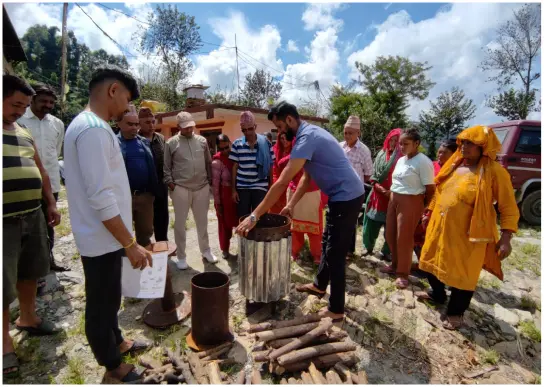
Engineers Without Borders (EWB) Nepal: Empowering Communities through Education and Innovation At Engineers Without Borders…
EWB Nepal comprises a diverse community of volunteers, members, supporters, professionals, and academics. By making a contribution, you are supporting a global network of people passionate about using their engineering skills to solve humanitarian challenges.