5-9 November, 2023
5 Days
The UNDP Accelerator Labs in Nepal, in partnership with Engineers Without Borders Nepal, embarked on a transformative initiative to bridge the gaps between industry and academia by establishing Innovation Hubs in public schools. This project addresses the critical need for an entrepreneurial ecosystem, helping youth transition from traditional education to meaningful employment.
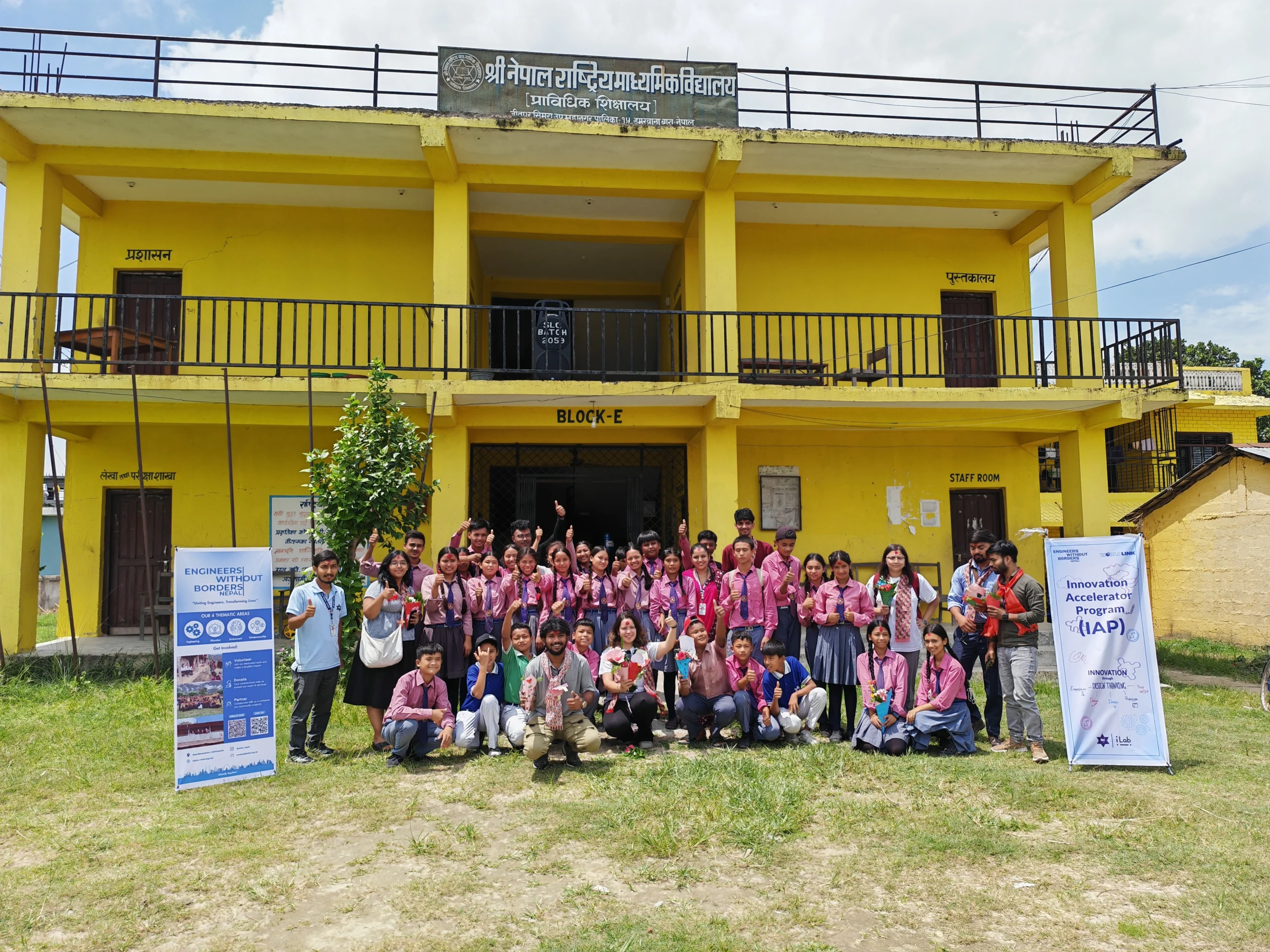
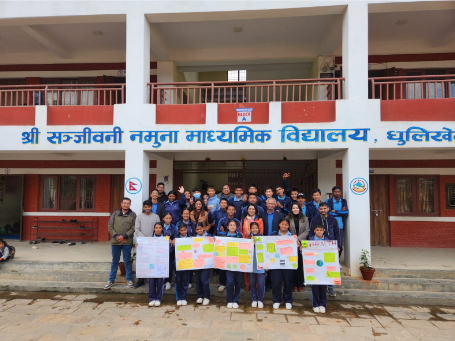
The labs were established at Shree Sanjeevani Model School (Kavre) and Prabhat Secondary School (Chitwan), providing dedicated spaces equipped with modern technology and tools. Through the Student Accelerator Program (SAP), students were trained in innovation, design thinking, and project management. This initiative fosters a culture of creativity, empowering students to identify local problems and devise technical solutions independently.
By providing access to resources like 3D printers and mechanical tools, the iLab hubs serve as a lasting legacy for continuous exploration. The program successfully demonstrated that when students are equipped with the right mindset and tools, they can become catalysts for change within their communities, aligning with Sustainable Development Goals for Quality Education and Decent Work.
iLab Maker-space Setup
The Innovation Hubs were equipped with a comprehensive suite of makerspace equipment, including 3D printers, basic electronic components, robotics kits, construction tools, and safety gear. To ensure sustainability, mentor teachers were specifically trained to manage the labs and guide students through ongoing projects, acting as liaisons between the school and industry experts.
Student Enterprise Groups (Prabhat Secondary School)
During the intensive 5-day SAP, students identified pressing local issues and developed the following innovative prototypes:
Health Technology1. Health Service App
Main problem
Overcrowded public hospitals leading to long waiting lines, time wastage, and risk of infectious diseases during queues.
Solution
A comprehensive app for digital appointment booking, secure medical record storage, and medicine information.
Key features
Tourism2. TG Nepal App
Main problem
Lack of information about destinations, routes, and costs for national and international tourists visiting Nepal.
Solution
A multilingual tourism guide app that provides insights into cultures, hotels, and real-time travel logistics.
Key features
EdTech3. Educational Enhancement App
Main problem
Heavy reliance on traditional book-centric methods and a lack of practical, multimedia-based learning tools.
Solution
An AI-driven educational platform providing interactive curriculum coverage through videos, animations, and quizzes.
Key features
Environment4. Smart Dustbin Company
Main problem
Haphazard disposal of waste and lack of community interest in proper waste segregation in public spaces.
Solution
Cartoon-shaped, mobile dustbins equipped with sensors to detect waste types and speakers to educate users.
Key features
Agriculture5. AgriGuard – Crop Protection System
Main problem
Frequent crop destruction by birds and wild animals, forcing farmers to spend nights in the field and losing income.
Solution
A solar-powered, 3D hologram projector system that uses visual and auditory deterrents to protect crops.
Key features
Expected Outcome
Core Participant
Student at iLab Hub
“The SAP program helped me look deeper into the root causes of problems in my community. By asking ‘WHY is it happening?’, I learned to move beyond just raising awareness to creating real, technical solutions like our mobile app.”
Mentor Teacher
Innovation Mentor
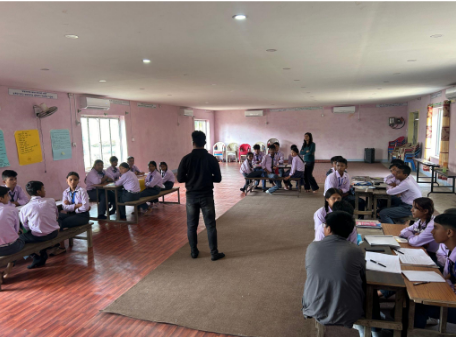
“Participating in the 3D printing and design thinking workshops has been immensely beneficial. It has introduced us to innovative teaching methods that go beyond the textbook, allowing us to mentor students as they experiment and learn through trial and error.”
Picture Gallery
EWB Nepal comprises a diverse community of volunteers, members, supporters, professionals, and academics. By making a contribution, you are supporting a global network of people passionate about using their engineering skills to solve humanitarian challenges.