19-24 December, 2023
5 Days
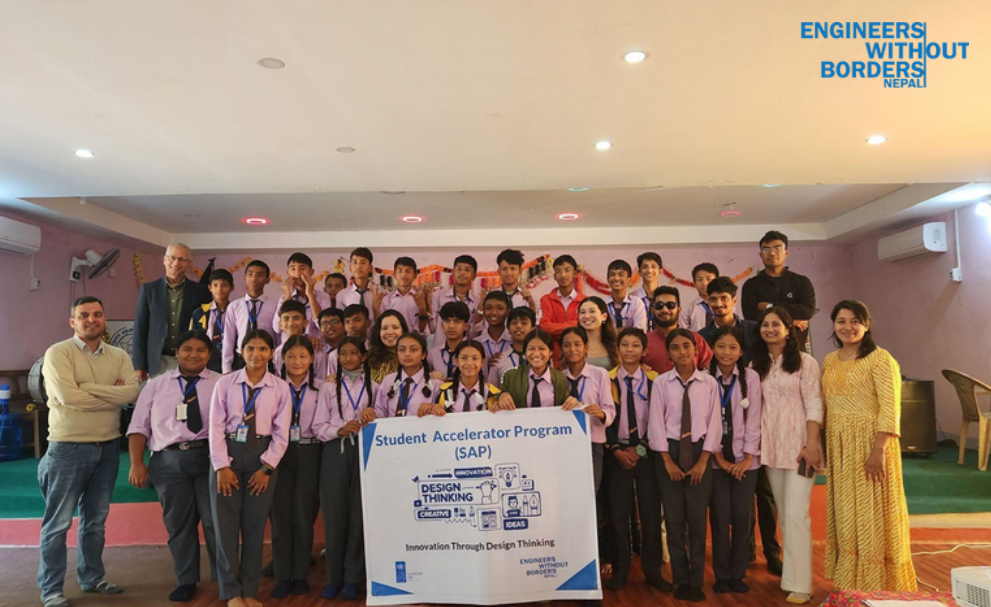
The iLab (Innovation Lab) project was implemented at Shree Janasewa Secondary School in Karjana, Siraha, to address the disconnect between academic learning and practical skill development. Supported by Engineers Without Borders Nepal (EWBN) and funded by Machhapuchchhre Bank Limited, the initiative established a vibrant makerspace to foster a mindset of innovation, social responsibility, and real-world problem-solving among students in a remote community context.
The project follows a phased approach: school scoping and assessment (P1), curriculum development tailored to the local needs of Siraha (P2), and the official makerspace launch combined with a 5-day Innovation Accelerator Program (P3). By providing cutting-edge tools and a collaborative environment, the iLab aims to reduce reliance on foreign employment by equipping the youth with the creative and technical skills necessary to build local opportunities.
This initiative goes beyond traditional education, aiming to produce a generation of change-makers who are digitally literate, environmentally accountable, and emotionally intelligent. The establishment of an Innovation Club ensures that leadership and creativity remain a permanent fixture within the school’s academic culture.
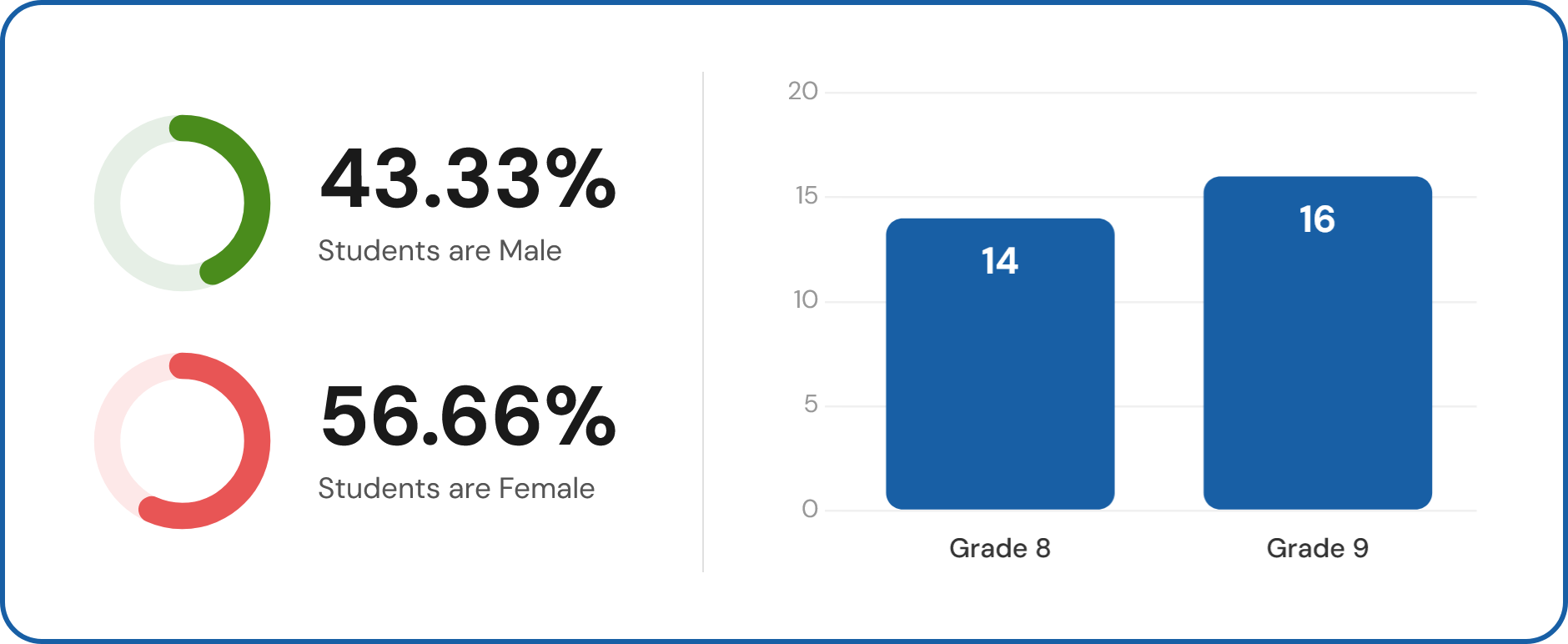
Participation List
Grade 8 & 9: (Total: 30 students and 3 Teachers) | Female: 17 (56.66%) | Male: 13 (43.33%)
iLab Maker-space Setup
A fully functional makerspace was established within the school, equipped with engineering tools and materials to support hands-on learning. The setup involved recruiting a passionate teacher as the Point of Contact (PoC) to ensure consistent monitoring, regular reporting, and the long-term sustainability of the innovation activities.
Student Enterprise Groups
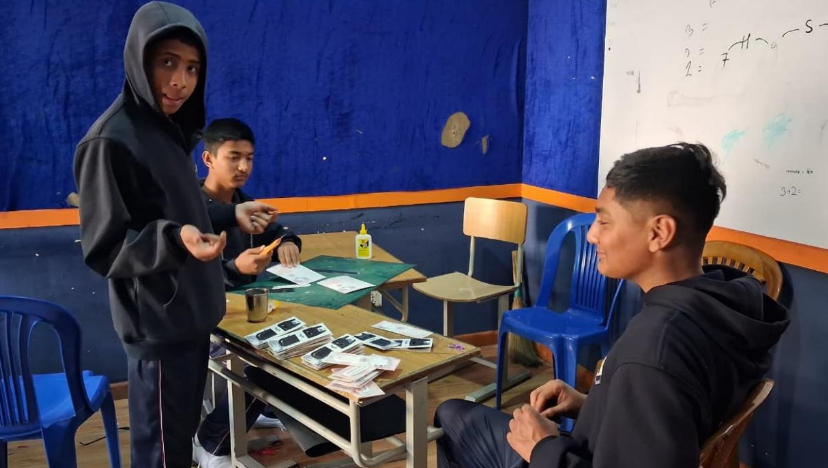
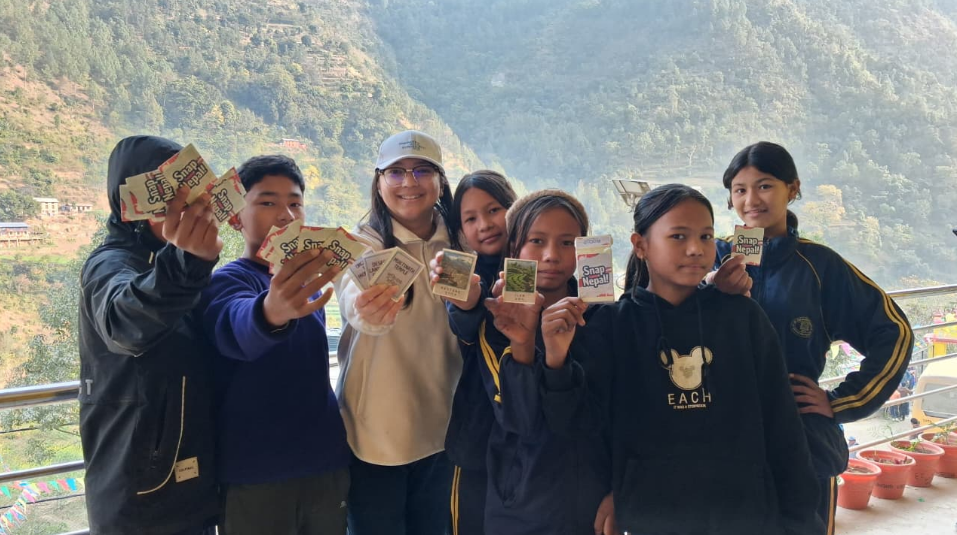
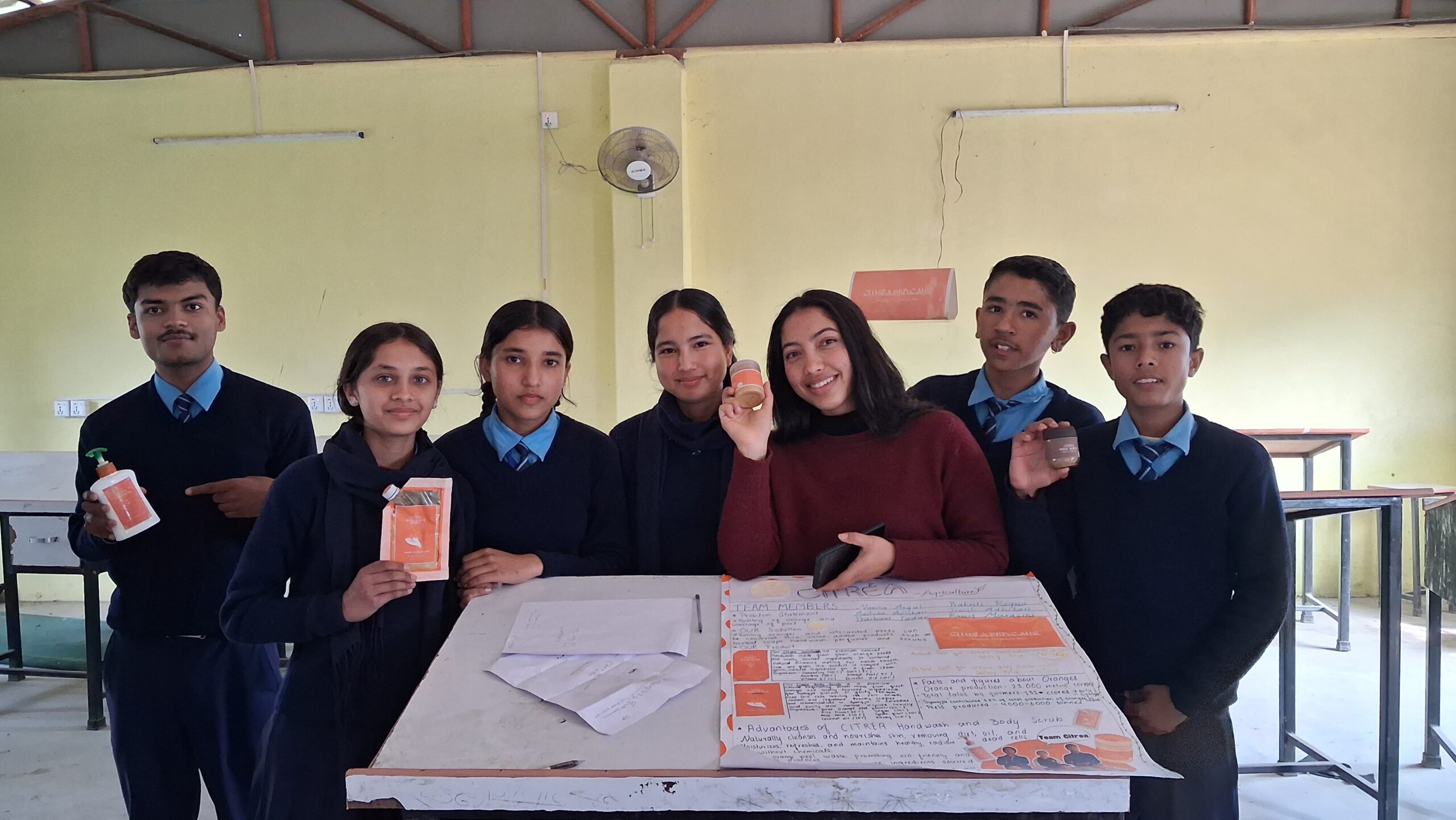
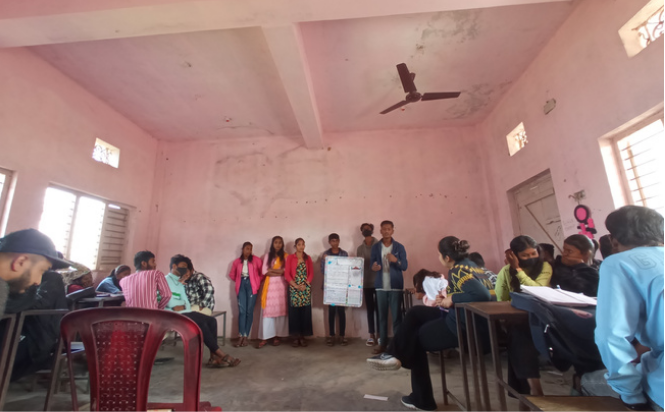
During the 5-day intensive program (December 19th – 24th), children worked in diverse groups to identify local problems and materialize their ideas into prototypes across five key thematic areas.
Organic Waste Management1. BioGas and BioChar
Main problem
Inadequate management of organic waste in the local community leads to environmental pollution and lost agricultural opportunities.
Solution
Development of a Biogas Plant and Biochar manufacturing process to convert organic waste into clean energy and soil enhancers.
Key features
Plastic Waste Management2. The Waste Cleaners
Main problem
Significant mismanagement of plastic waste, specifically PET bottles, cluttering the Mithila region.
Solution
Upcycling discarded PET bottles into sustainable and artistic furniture for school and community use.
Key features
Revitalizing Mithila Artistry3. The Art of Wool
Main problem
A visible decline in traditional Mithila artistry and craftsmanship, especially on wool-based fabrics among the younger generation.
Solution
Establishing a Wool Products Enterprise that features authentic Mithila designs to preserve cultural heritage.
Key features
Enhancing STEM Education4. The Einstein Box
Main problem
Traditional rote-based learning limits hands-on engagement and discourages students from pursuing STEM subjects.
Solution
Creation of low-cost, hands-on STEM Learning Kits designed to make science interactive and fun.
Key features
Water Quality5. Sudhi Water Filter
Main problem
Widespread water contamination in the Siraha region affecting the overall health and quality of life of residents.
Solution
An attachable, multi-stage water filter design made from locally available materials for household use.
Key features
Expected Outcome
The iJatra exhibition serves as the public culmination of the students’ hard work, showcasing their engineering tools, design thinking processes, and tangible prototypes. It provides a platform for students to practice crucial soft skills like communication, public speaking, and teamwork while receiving feedback from industry experts, local government officials, and the community.
The transformation seen during the Siraha program was remarkable. Timid, “starry-eyed” individuals evolved into confident students capable of articulating complex problem-solution fits before high-ranking officials. This newfound realization—that they can materialize their own creations—brings a profound shift in perspective, instilling the belief that they can navigate life independently as proactive leaders.
Picture Gallery
EWB Nepal comprises a diverse community of volunteers, members, supporters, professionals, and academics. By making a contribution, you are supporting a global network of people passionate about using their engineering skills to solve humanitarian challenges.