22-27 September 2026
6 Days
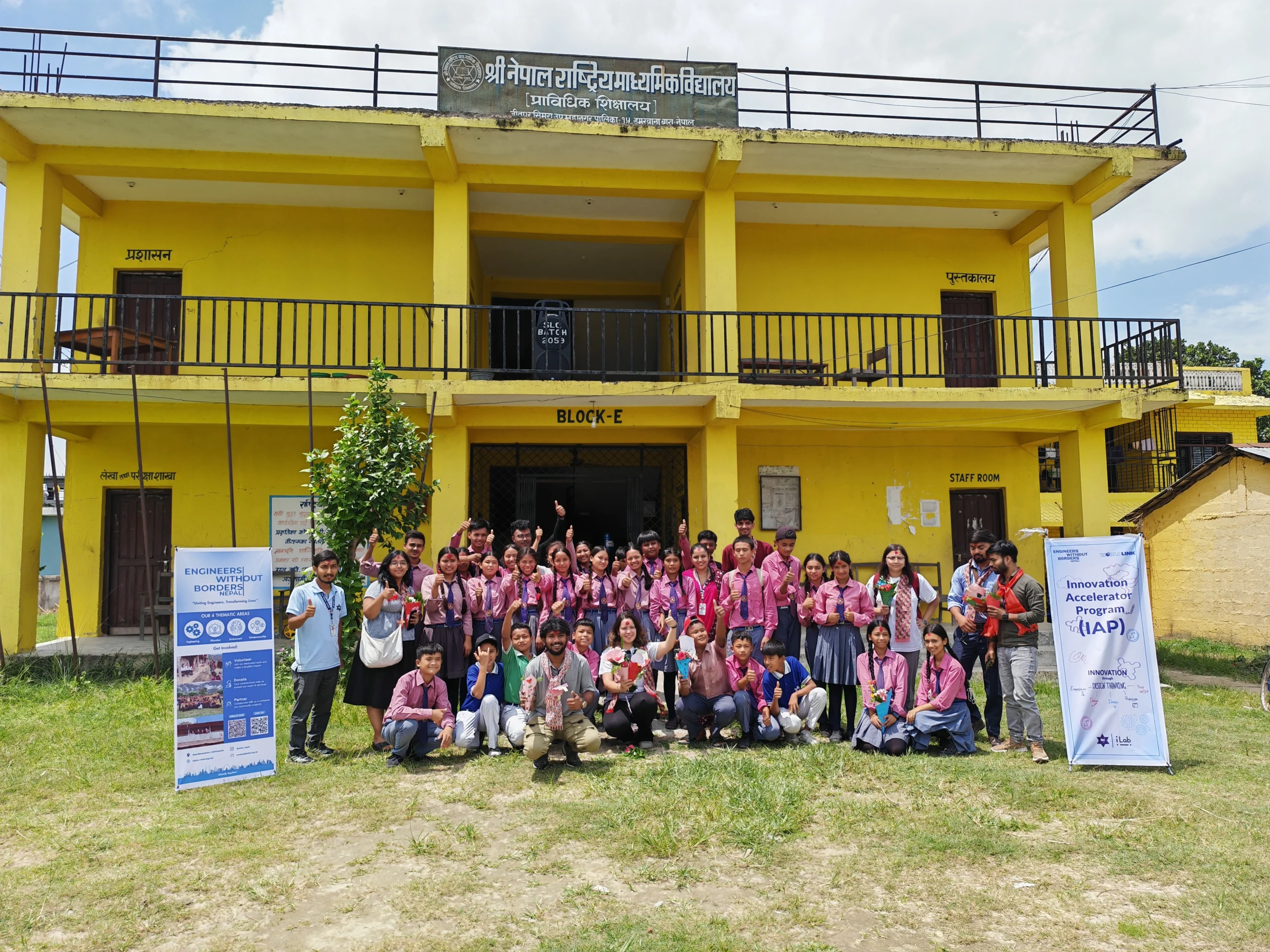
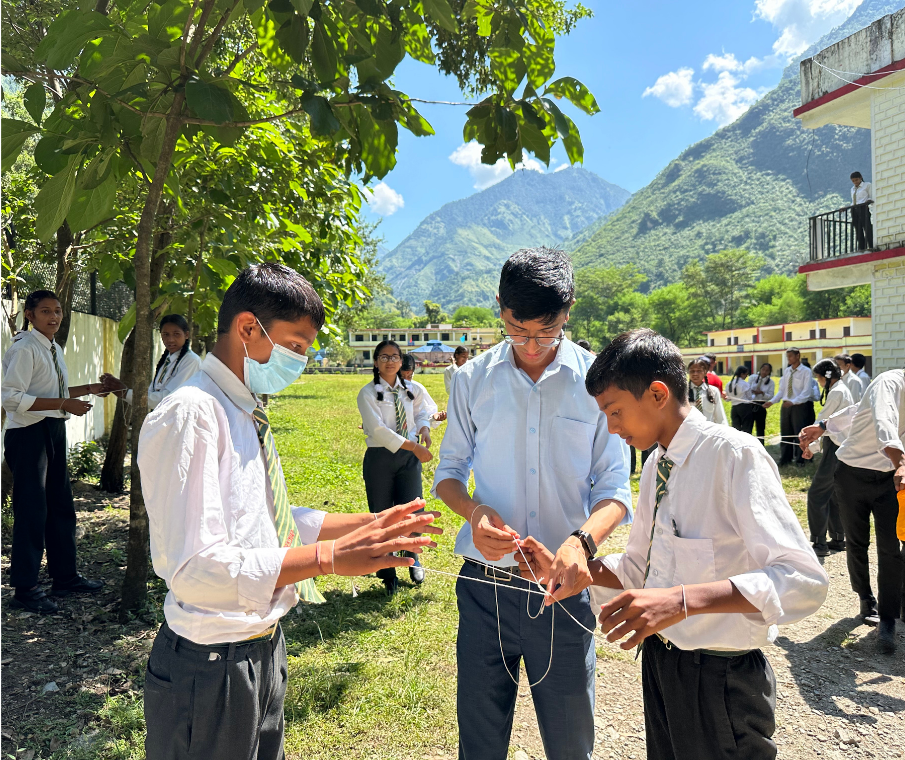
The iLab program at Malikarjun Model Secondary School was launched on 6th Asoj, 2081, with the aim of fostering creativity, innovation, and entrepreneurial skills among Grade 9 students. The program sought to empower students through hands-on experience in design thinking, research, and product development, equipping them to address real-world challenges.
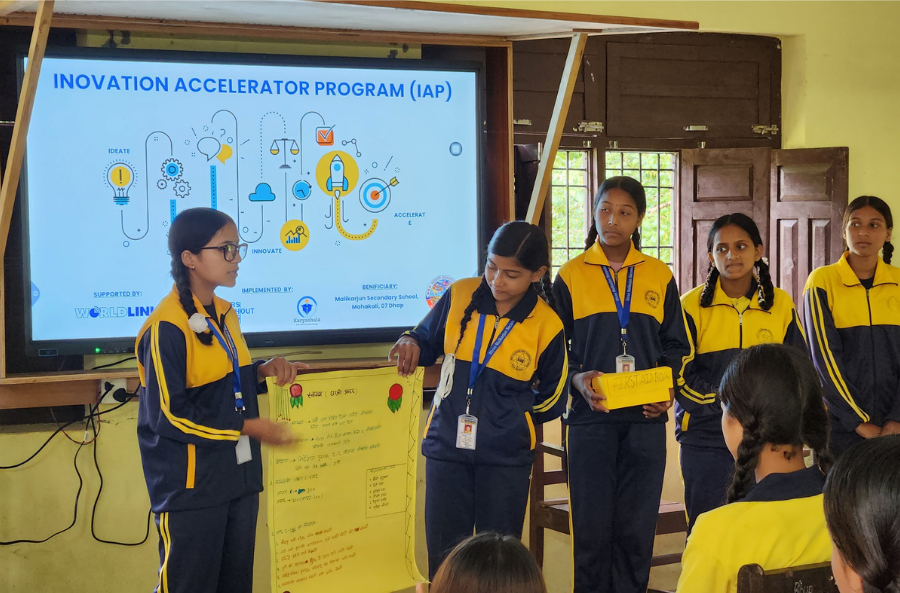
The project followed a phased approach, including initial planning, a Maker Space Setup, and a special Innovation Accelerator Program (IAP) focused on problem identification, innovation, critical thinking, design thinking, and entrepreneurship.
The IAP was divided into multiple sessions, covering a range of topics including problem identification, co-founder selection, market research, product development, and prototype creation. Students actively participated and developed innovative solutions to local community problems.
iLab Maker-space Setup
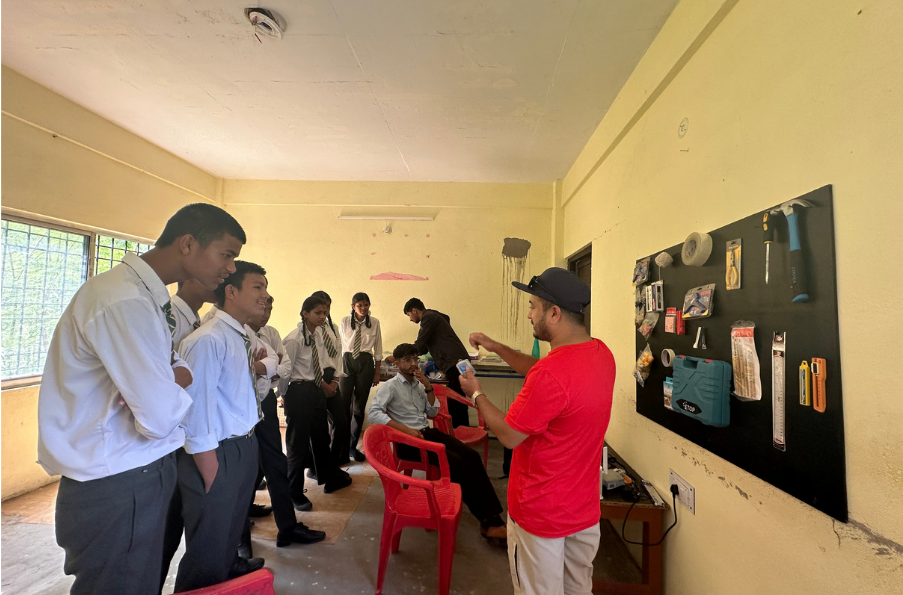
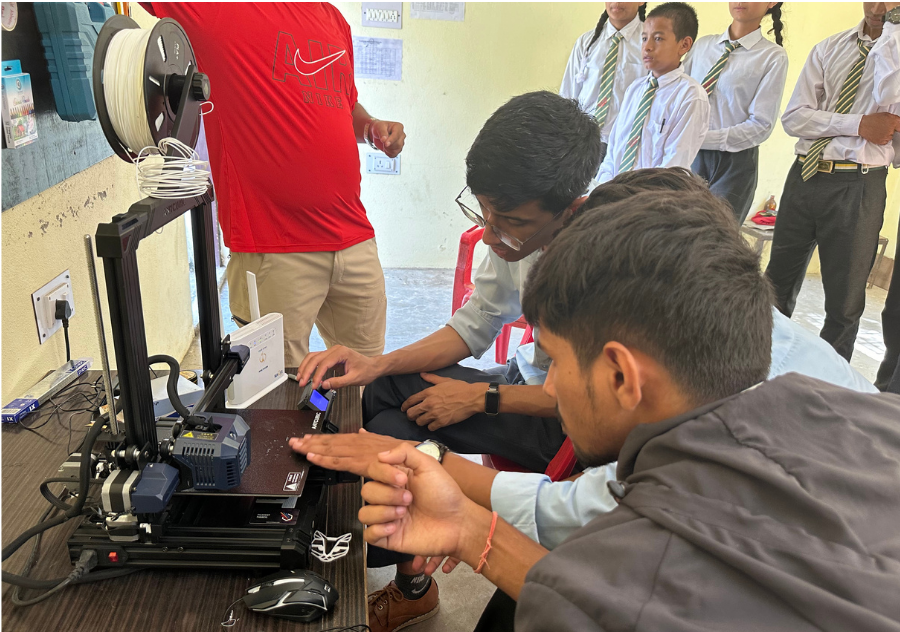
The iLab makerspace was set up on 5th Asoj, 2081. It included the collection and organization of essential materials such as 3D printers, tools for prototyping, and other educational resources.
Innovation Accelerator Program
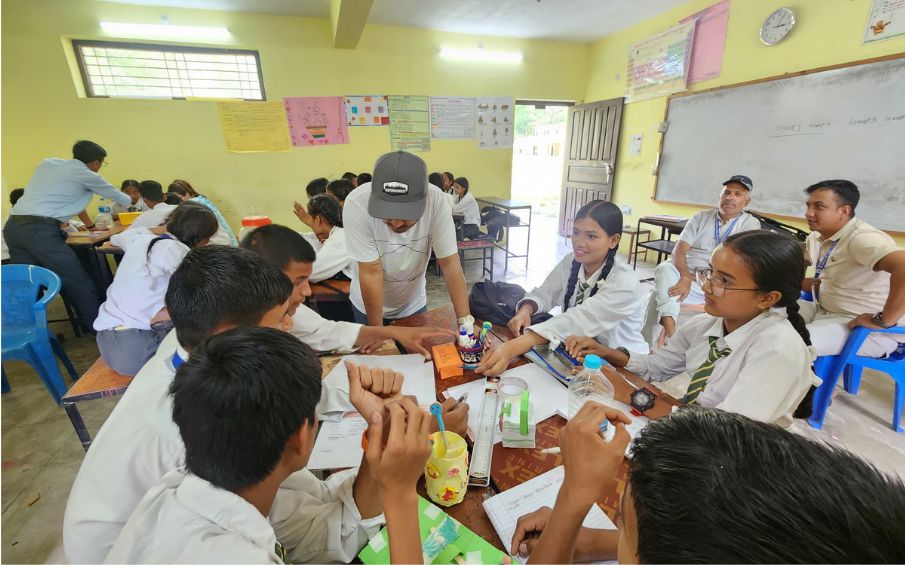
During a six day Innovation Accelerator Program, the five student teams worked under the thematic areas of Sports, Education, Health, Agriculture, and Community service, each developing a student-led enterprise grounded in locally identified challenges. The entire student cohort was supported by EWBN team members and one teacher representative from the school, who guided the teams throughout the program
Health & Safety1. Ghar ko Doctor
Main problem
Many people lack access to basic first aid and general medical services in their immediate surroundings.
Solution
Designing a comprehensive first aid kit, equipped with essential medicines and a user-friendly guide featuring step-by-step instructions in both written form and illustrated visuals.
Key features
Expected outcomes
Agriculture2. Dhap Krishi Company
Main problem
Local agricultural products struggle to find a market, as households produce the same seasonal goods, limiting business opportunities.
Solution
Packaging and processing seasonal products to extend their shelf life and create new business avenues.
Key features
Expected outcomes
Sports3. Sayapatri Sports Event Organizer
Main problem
Young people are spending excessive time on mobile phones, leading to unproductive habits and a lack of physical activity.
Solution
Organizing sports events and tournaments to encourage young people to engage in physical activities, promoting both physical and mental well-being.
Key features
Expected outcomes
Education4. Educational Kit
Main problem
Education is often theoretical, with limited practical materials and engaging concepts.
Solution
Create interactive, hands-on science learning kits with card games, experiments, and projects to make learning more engaging.
Key features
Expected outcomes
Community Service5. Community Service
Main problem
Lack of social workers in the community
Solution
Establish a social welfare organization to support community needs and promote social well-being
Key features
Expected outcomes
i-JATRA was conducted on 7 November 2025 (Mangsir 21, 2082). With an estimated visitors of 1,000-1,500, the program transformed the school into a lively space for innovation by combining a formal ceremony with a student-led exhibition and entrepreneurial engagement.
The event began with a formal inauguration attended by distinguished guests, including the Mayor of Mahakali Municipality, representatives from WorldLink Communications, school leadership, and teachers. Following the formal session, the event moved into the main exhibition and marketplace, where 10–15 student-led stalls showcased a wide range of products and projects developed through the iLAB program. These included 3D-printed items, recycled and upcycled products, science and engineering models, local agricultural and herbal displays, traditional crafts, and food stalls managed by students. The exhibition highlighted students’ ability to transform ideas into practical products while also gaining experience in presentation, pricing, and sales.
Puja Pant
Student at iLab
“This program was fantastic. I learned teamwork and how to bounce back from setbacks. My mentors taught me to spot problems and think critically. I used to think Nepal lacked opportunities, but now I realize we can create our own by identifying issues.”
Prakash Dhami
Student at iLab
“I loved the iLab program! I feel more confident and comfortable asking questions or tackling challenges. Working together on projects and getting help from mentors helped me learn how to solve problems, work with others, and communicate effectively. The practical way of learning made everything much easier to understand.”
Picture Gallery
EWB Nepal comprises a diverse community of volunteers, members, supporters, professionals, and academics. By making a contribution, you are supporting a global network of people passionate about using their engineering skills to solve humanitarian challenges.