May - March, 2026
10 months
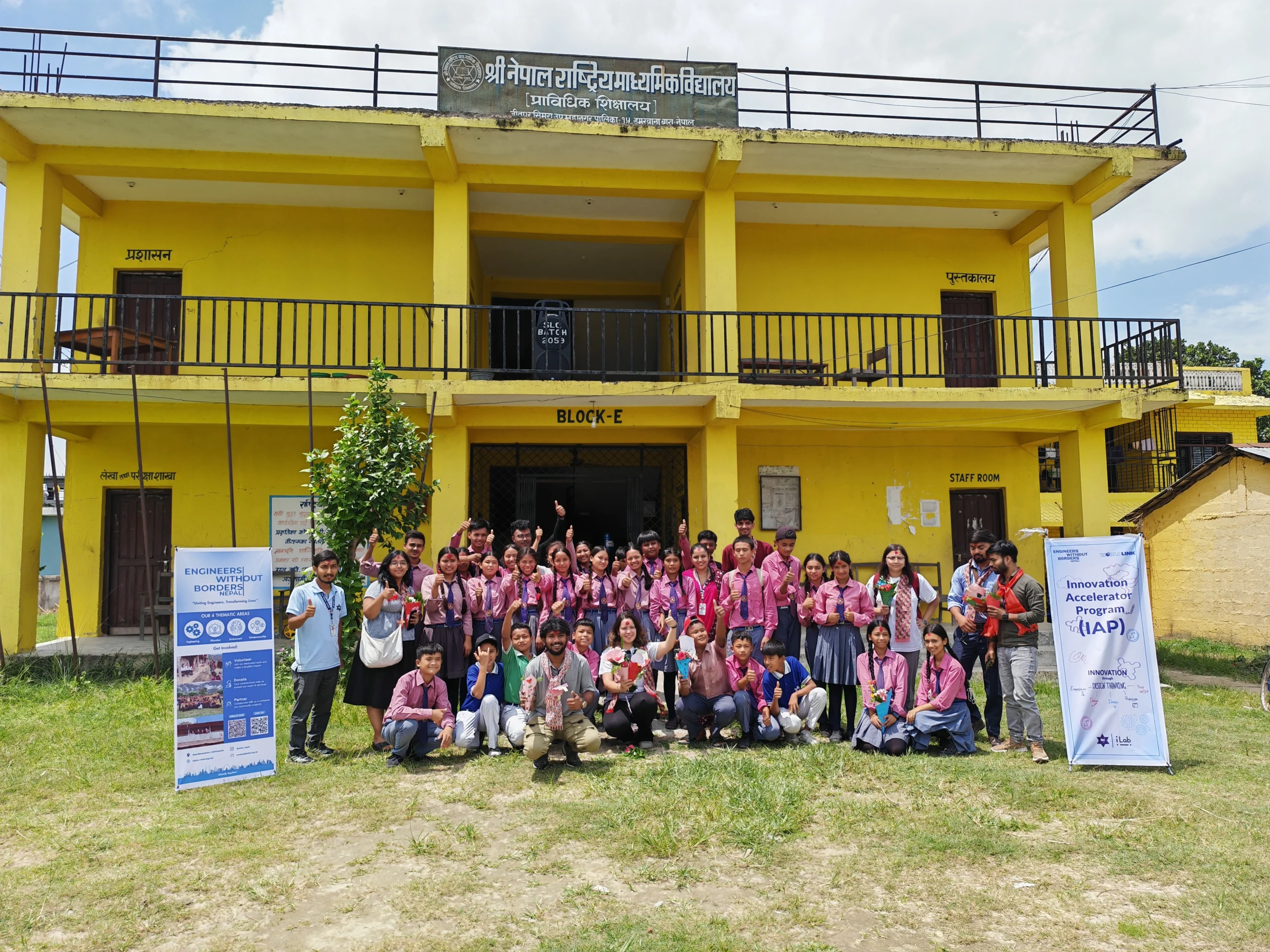
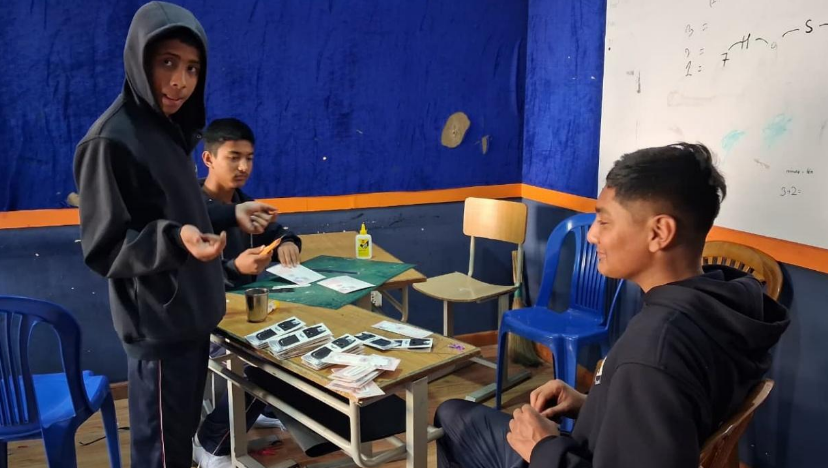
The iLab Innovation Accelerator Program (IAP) was successfully implemented at Kathmandu Pragya Kunja School (KPKS) in 2082 with a new batch of 54 Grade 9 students. This marks the third consecutive year of iLab at the school, reflecting a deep institutional commitment to innovation and experiential learning. Over a 10-month period consisting of 31 structured sessions, students were guided through the complete innovation journey—from identifying real-world problems to developing practical solutions and enterprise models.
The program focused on design thinking, critical research, validation, prototyping, business model development, and pitching. As a private institution committed to progressive education, KPKS has utilized the iLab model to foster a culture of creativity where students move beyond theoretical knowledge to engage in practical experimentation. The sustained implementation has strengthened the school’s innovation ecosystem, laying a solid foundation for future cohorts to integrate entrepreneurship into their academic journey.
By combining structured methodology with hands-on practice, the program demonstrated how innovation education can be successfully integrated into a private school environment, creating a meaningful and lasting impact on the students’ learning journeys and personal growth.
Program Intensity
The IAP was delivered through 31 structured sessions spanning from Baisakh to Falgun 2082. Students invested over 100+ cumulative instructional hours in innovation-based learning throughout the academic cycle.
Student Enterprise Groups
Each student team developed innovative enterprise solutions addressing real-world local and social challenges across themes such as environment, health, culture, and economic empowerment.
Environmental Kindness1. Inferno
Main problem
Limited availability of eco-friendly, handcrafted decorative products that are both aesthetic and environmentally conscious.
Solution
Handcrafted, mess-free scented candles infused with natural essences such as rose, orange, and chocolate.
Key features
Health & Wellbeing2. Douceur d’Or
Main problem
Students often experience stress and emotional fatigue, but have limited access to small, affordable comfort products.
Solution
Handcrafted chocolates designed to provide comfort, relaxation, and emotional upliftment for students and youth.
Key features
Arts & Culture3. Cordi
Main problem
Messy and tangled charging cables cause daily inconvenience and lead to early cable damage.
Solution
A simple, compact 3D-printed cord organizer designed to keep cables neat, accessible, and protected.
Key features
Welfare & Kindness4. Kagaj Katha
Main problem
Excessive paper waste contributing to environmental degradation in urban school environments.
Solution
Eco-friendly decorative paper lamps created entirely from upcycled and recycled paper waste.
Key features
Social Equity5. Sign Flows
Main problem
Communication barriers for individuals with hearing or speech limitations and a lack of inclusive play spaces.
Solution
A silent strategy-based card game that relies on gestures and non-verbal communication to foster inclusivity.
Key features
Economic Empowerment6. Kathmandu Chips
Main problem
Local chip producers lack attractive, standardized packaging required to compete in the modern market.
Solution
Branded packaging solutions for locally produced chips to improve marketability and vendor support.
Key features
Play & Sports7. Fut Cards
Main problem
Football enthusiasts lack engaging, portable, strategy-based games to experience the thrill of sports off the field.
Solution
A football-themed strategy card game that simulates team building and match tactics in a tabletop format.
Key features
Emotional Care8. Terra Buddy
Main problem
Limited connection between students and nature within urban, concrete-heavy learning environments.
Solution
Small decorative terrariums that promote emotional calm, mental wellbeing, and environmental awareness.
Key features
Education9. LabX 67
Main problem
Students often lack personalized and creative learning accessories that make reading more engaging.
Solution
Customized 3D-printed bookmarks that combine durable functionality with creative, student-friendly aesthetics.
Key features
Leadership & Values10. Office of Integrity
Main problem
Limited youth understanding of complex concepts like corruption, governance, and ethical leadership.
Solution
A strategy-based card game simulating leadership decisions, corruption risks, and public accountability.
Key features
Personal Care11. Avona
Main problem
Lack of eco-friendly, youth-made personal care alternatives in the current commercial market.
Solution
Production of handmade lip balms using safe, natural, and environmentally conscious ingredients.
Key features
Cultural Wisdom12. Bajo Haat
Main problem
Declining engagement of modern youth with cultural heritage, folklore, and traditional values.
Solution
A culturally inspired board game integrating folklore and traditional decision-making values.
Key features
The iJatra event marked the culmination of the 10-month program at KPKS. Held on 2nd Falgun 2082, the event served as a public innovation showcase where all 12 student enterprise groups presented and sold their products. The event provided students with real-world exposure to customer interaction, feedback collection, and live pitching, strengthening their communication skills and business acumen.
The financial success of the event demonstrated the viability of student-led ideas, with a total revenue of NPR 45,250 generated from sales and a net surplus of NPR 15,016. This exposure to basic financial management and market-ready demonstrations reinforced the experiential learning process, transforming classroom ideas into tangible entrepreneurial outcomes.
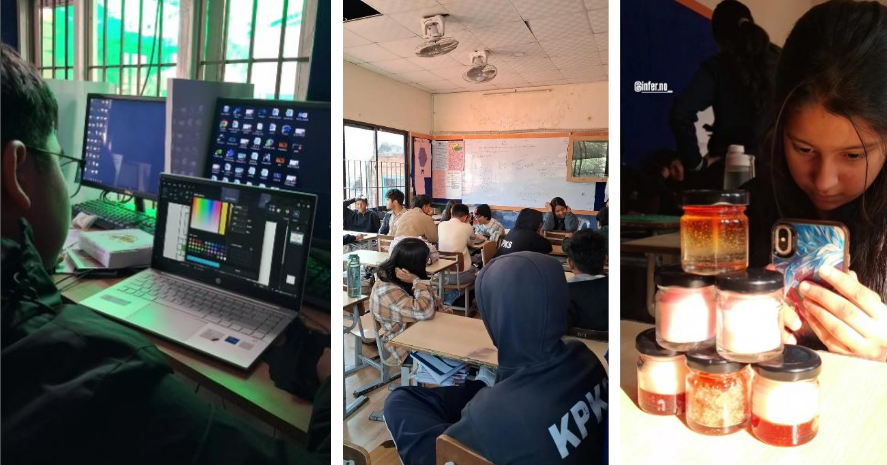
Picture Gallery
EWB Nepal comprises a diverse community of volunteers, members, supporters, professionals, and academics. By making a contribution, you are supporting a global network of people passionate about using their engineering skills to solve humanitarian challenges.