20-25 January, 2026
6 Days
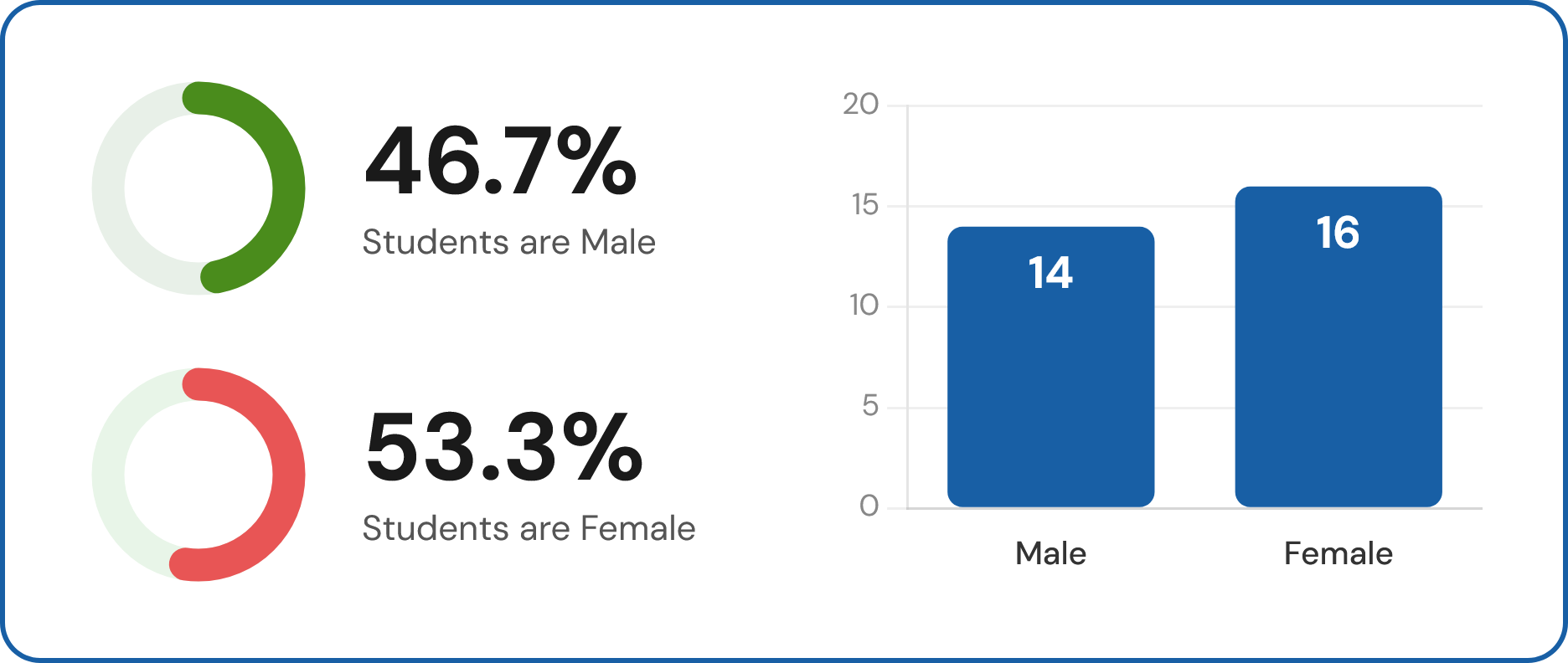
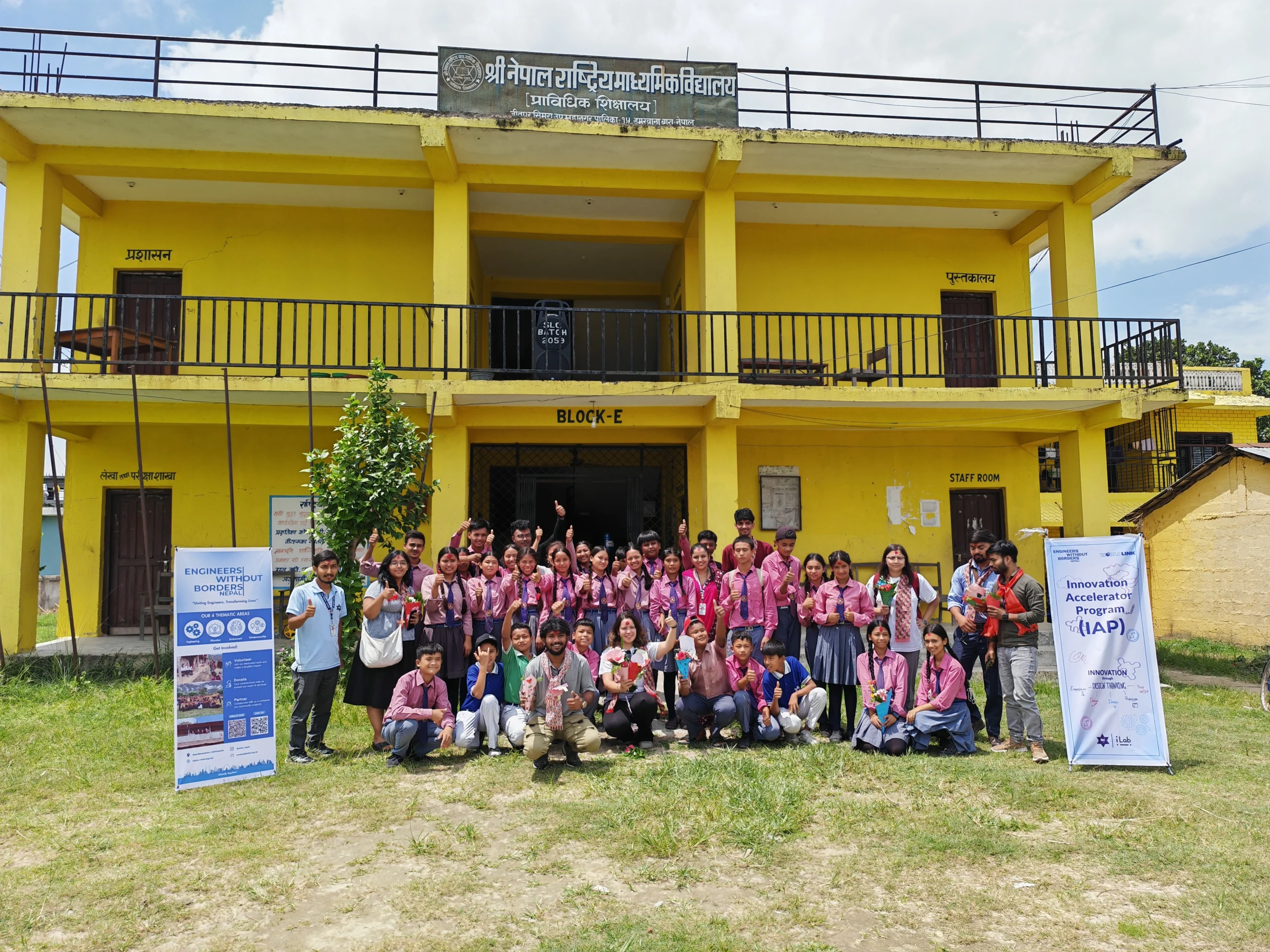
The i-Lab pilot at Shree Tribhuwan Adarsha Ma. Vi., Putalibazar aimed to address gaps in learning quality by providing Grade 9 students with hands-on, experiential learning through a school-based makerspace and a six-day Innovation Accelerator Program (IAP). Thirty students participated, organized into five teams focused on locally relevant challenges in Agriculture, Art & Culture, Education, Environment, and Health & Wellness.
The i-Lab (Innovation Lab) model shifts learning from rote memorization to hands-on making, and from copying to creating. By establishing a school-based makerspace, delivering a structured Innovation Accelerator Program grounded in design thinking and applied engineering, and providing post-program teacher support, the i-Lab embeds continuous innovation cycles within everyday school practice.
The project aligns closely with the School Education Sector Plan (2022–2032) by operationalizing its priorities at the school level, specifically contributing to improved classroom practice, expanded experiential and project-based learning, and strengthened inclusion and equity.
iLab Maker-space Setup
The i-Lab makerspace was established within the school using available space and adaptable infrastructure. It was equipped with essential tools, materials, and low-cost resources to support hands-on experimentation, collaboration, and safe prototyping.
Student Enterprise Groups
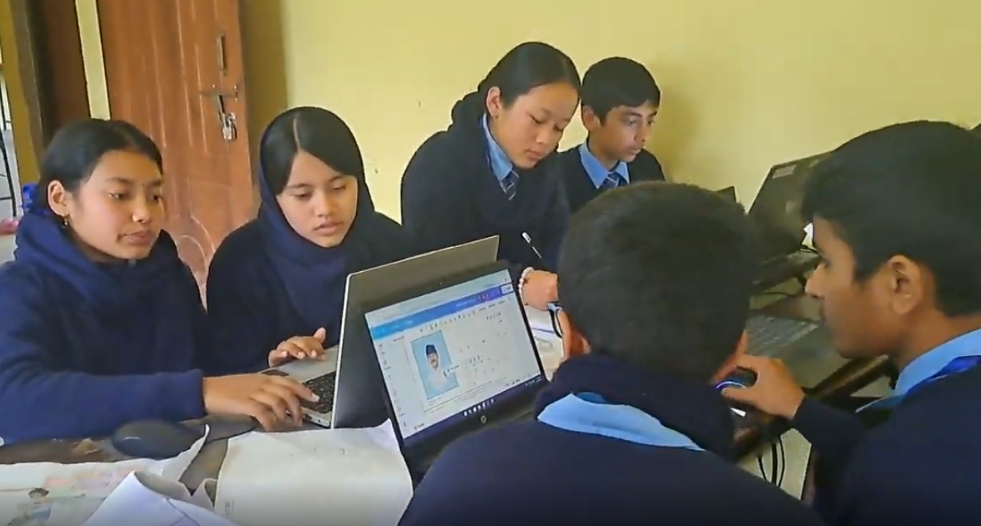
Each student team developed solutions based on local challenges. During the six-day Innovation Accelerator Program, five student teams worked under the thematic areas of Agriculture, Art & Culture, Education, Environment, and Health & Wellness.
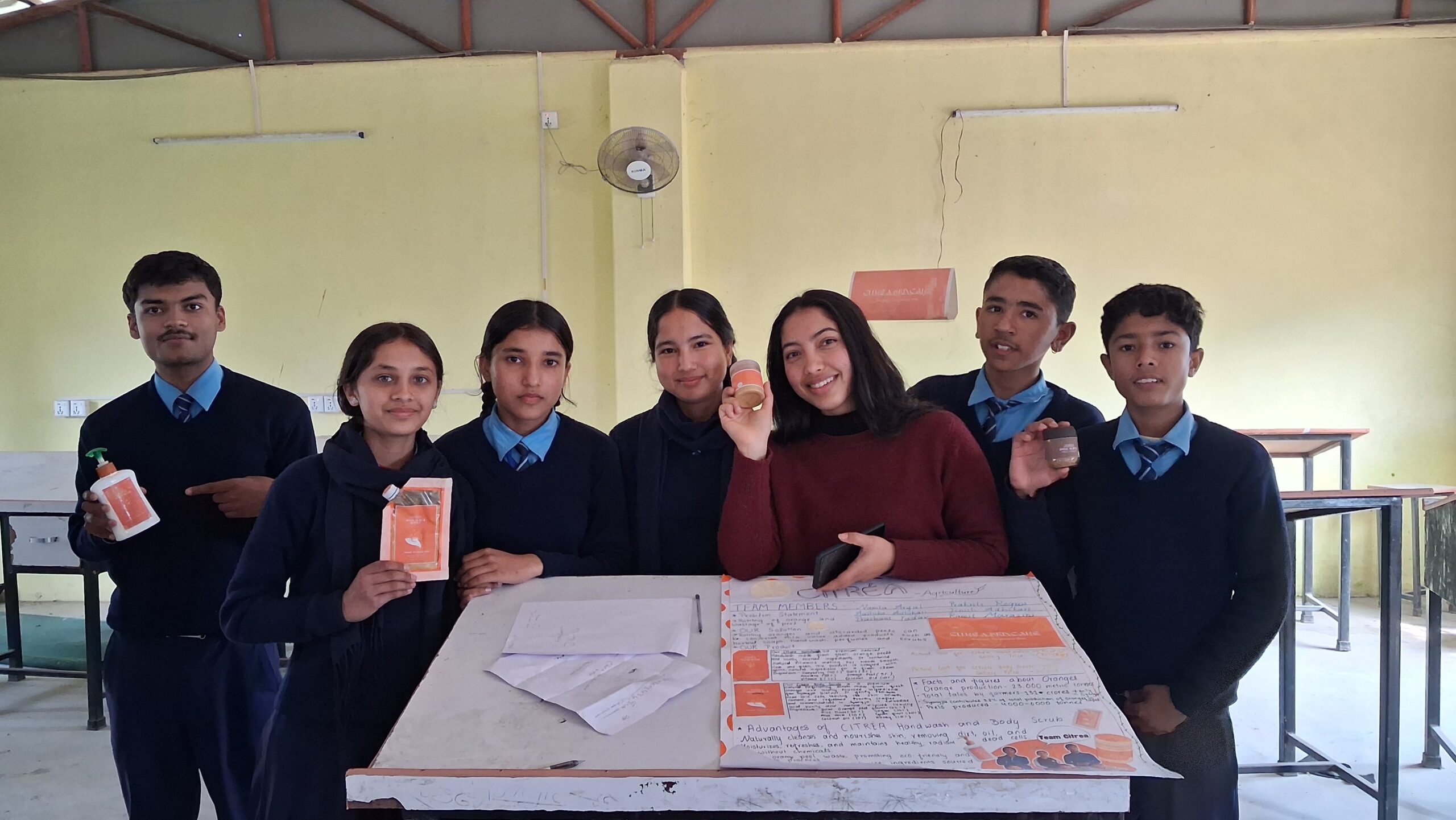
Agriculture1. Citrea Skincare
Main problem
Syangja produces over 23,000 tons of oranges annually, but 45–50% of each fruit consists of peel which is discarded as waste, contributing to environmental pollution and missed economic opportunities.
Solution
A student-led product that transforms discarded orange peels into a value-added skincare solution. Citrea is a natural body scrub made from orange peel powder combined with aloe vera extract and exfoliants.
Key features
Art and Culture2. The Art Chronicles
Main problem
In many schools, art is limited to decoration on paper rather than a functional skill. Most student work remains confined to classrooms and is rarely showcased, failing to generate economic or social value.
Solution
Transforms student art into functional and scalable products. The first product is a school calendar illustrated with original student artwork, creating a platform for recognition and skill development.
Key features
Education3. Clasyn
Main problem
Teachers frequently lose markers and dusters while moving between classrooms, causing constant disruption during lessons and resulting in wasted time searching for essential daily teaching tools.
Solution
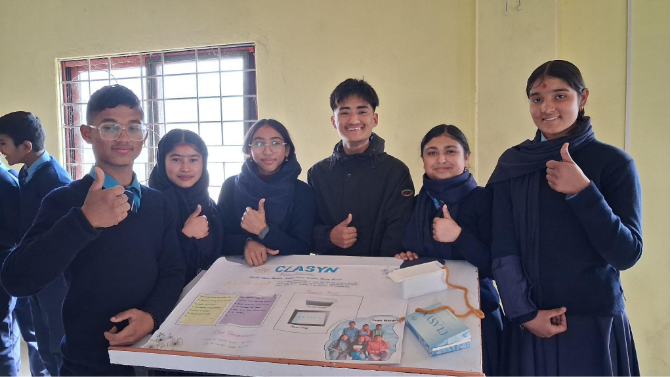
Two practical products for school management: a leak-proof strap bag arm band for markers and a 3D-printed wall-latched duster guard with a stretchable string to prevent misplacement.
Key features
Environment4. EarthX
Main problem
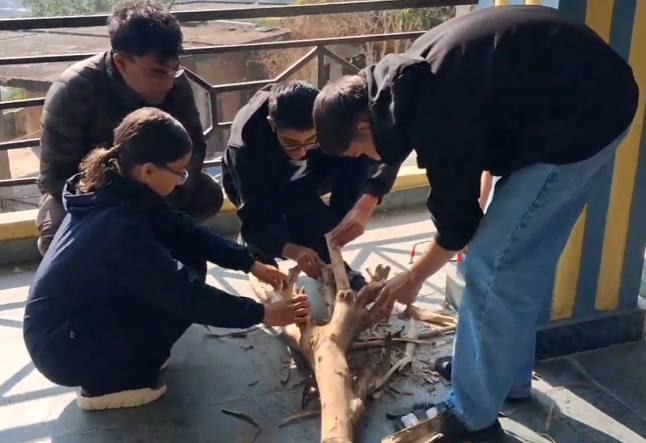
Forest fires are a serious problem in Syangja, often caused by the accumulation of dry twigs and biomass. Unmanaged forest waste becomes highly flammable, destroying wildlife habitats and biodiversity.
Solution
Repurposing hazardous forest waste into sustainable design and décor products. The key product is a wood lamp crafted from collected forest wood, turning fire-prone waste into usable items.
Key features
Health and Wellness5. Arise
Main problem
Basic sanitation and hygiene remain inadequate in many schools. Over one-third of schools lack proper handwashing supplies, often due to soap being stolen, misplaced, or unhygienic.
Solution
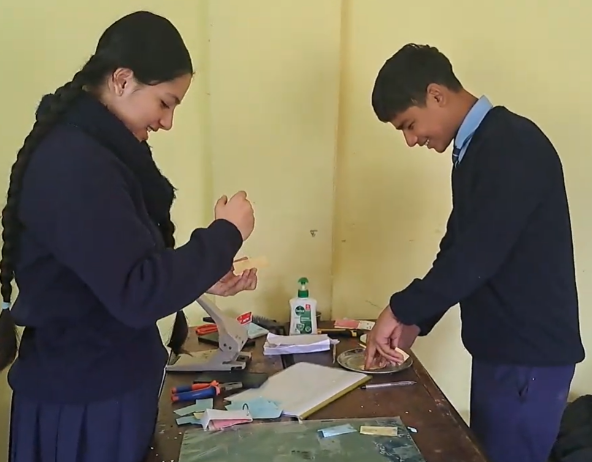
Developed a portable, low-cost paper soap called Arise that students can carry and use anywhere. Each sheet dissolves in water, providing a clean and convenient way to wash hands.
Key features
Expected Outcome
Picture Gallery
EWB Nepal comprises a diverse community of volunteers, members, supporters, professionals, and academics. By making a contribution, you are supporting a global network of people passionate about using their engineering skills to solve humanitarian challenges.