23-27 June, 2025
5 Days
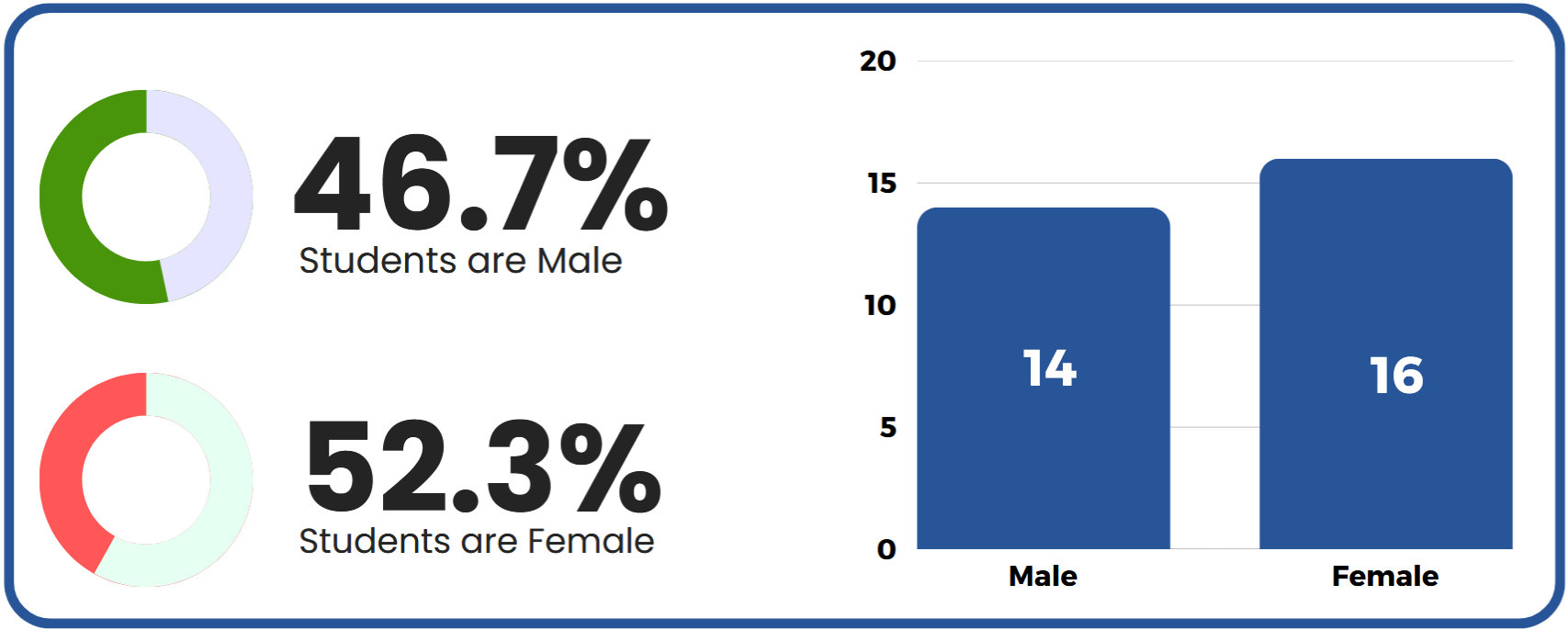
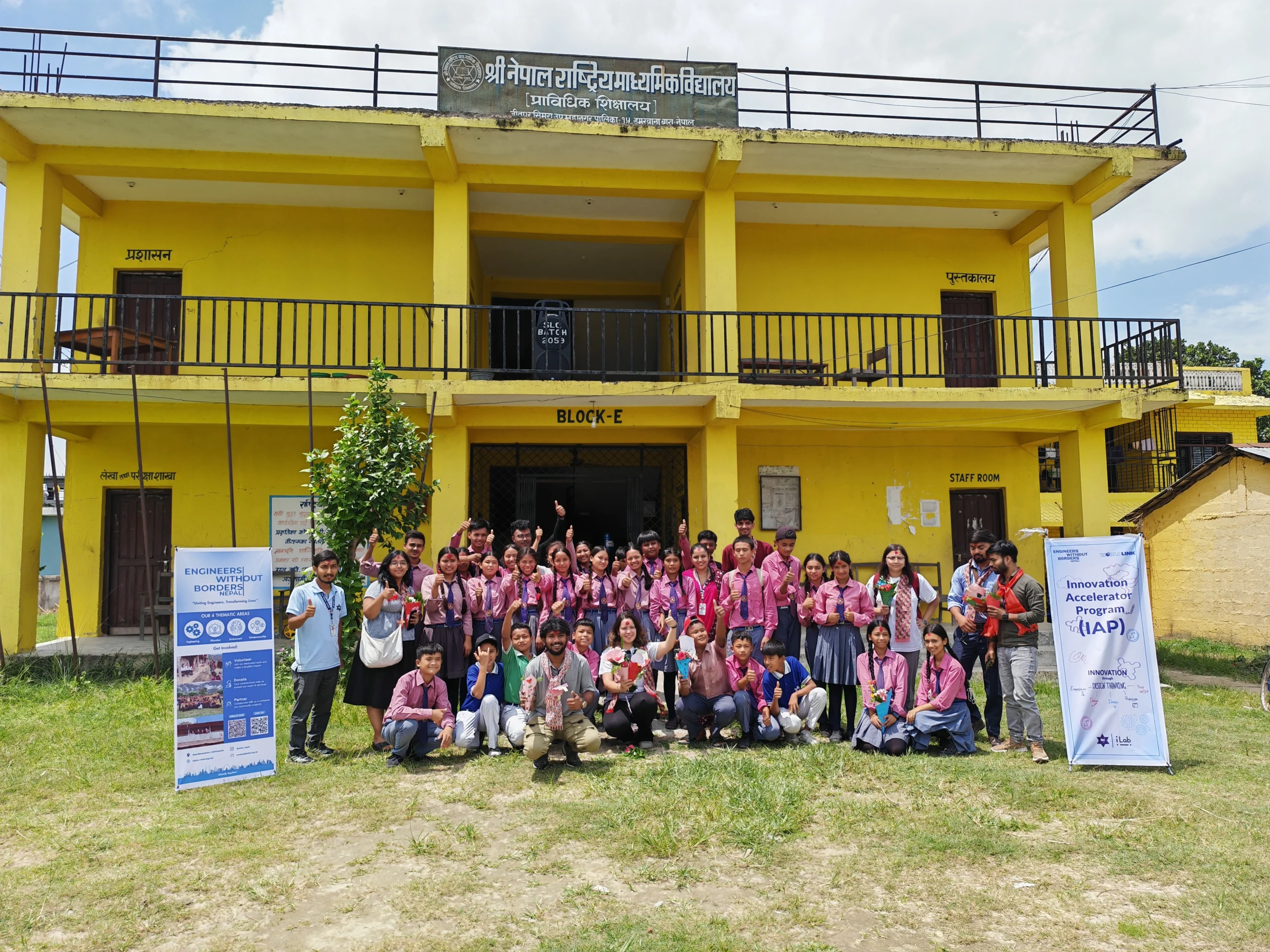
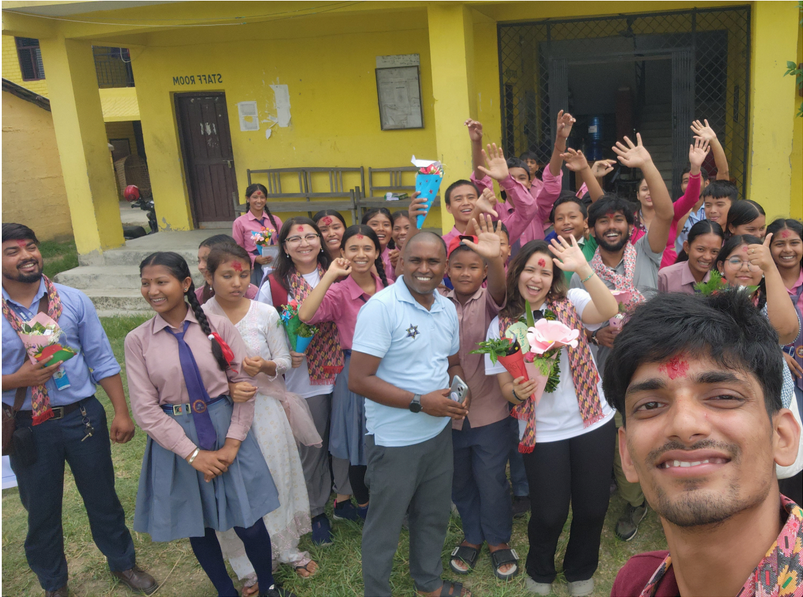
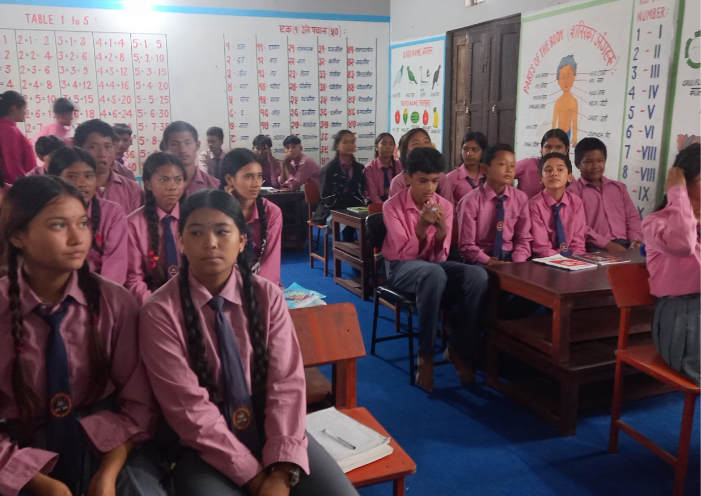
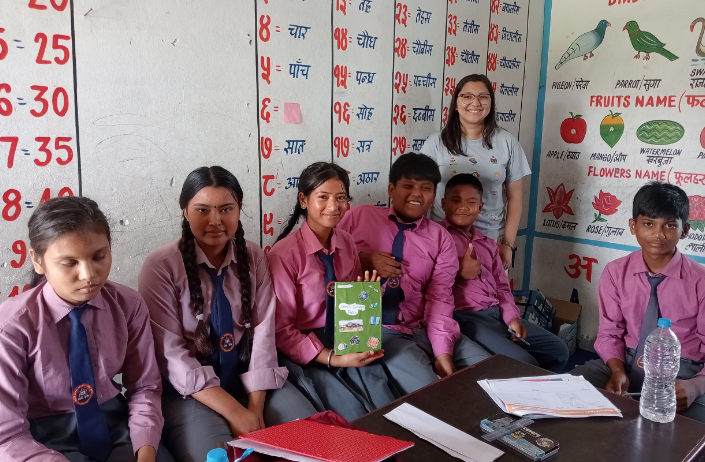
The iLab program at Shree Nepal Rashtriya Secondary School was launched on 9th Ashad, 2082, with the aim of fostering creativity, innovation, and entrepreneurial skills among Grade 7, 8 and 9 students. The program sought to empower students through hands-on experience in design thinking, research, and product development, equipping them to address real-world challenges.
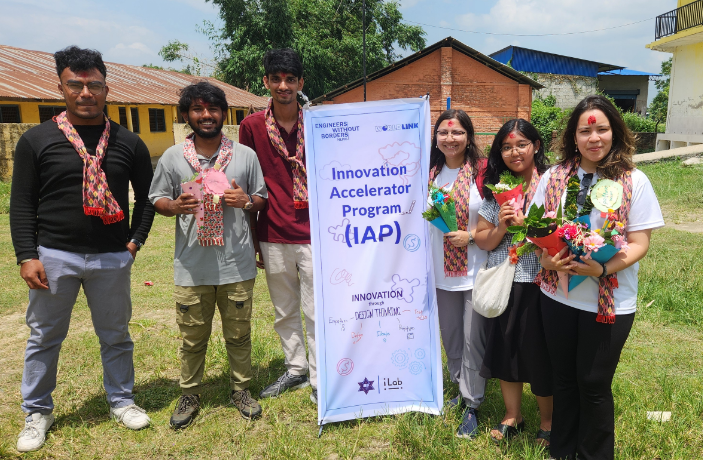
The project followed a phased approach, including initial planning, a Maker Space Setup, and a special Innovation Accelerator Program (IAP) focused on problem identification, innovation, critical thinking, design thinking, and entrepreneurship.
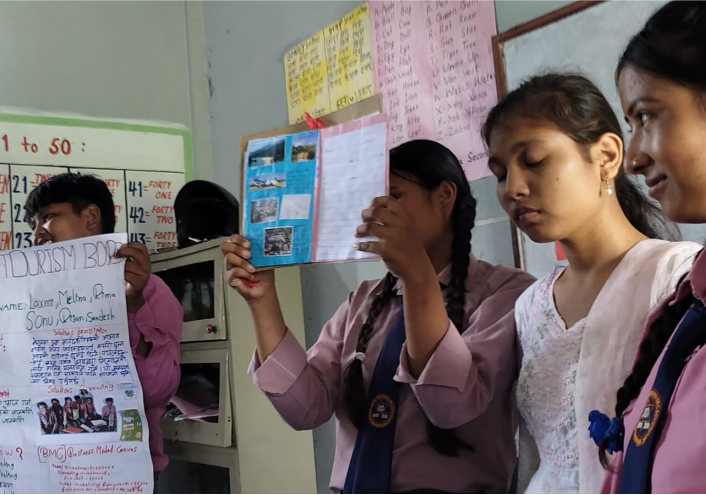
The IAP was divided into multiple sessions, covering a range of topics including problem identification, co-founder selection, market research, product development, and prototype creation. Students actively participated and developed innovative solutions to local community problems.
iLab Maker-space Setup
The iLab makerspace was set up on 9th Ashad, 2082. It included the collection and organization of essential materials such as 3D printers, tools for prototyping, and other educational resources needed for the program.
Student Enterprise Groups
Each student team developed solutions based on local challenges. During the Innovation Accelerator Program, five student teams worked under the thematic areas of Local Issues, Sustainability, Tourism, Education, and Water Pollution.
Local Issues1. Loottantra
Main problem
Corruption is a deep-rooted issue, leading to poor infrastructure, unfair resources, and weakened public trust. Its invisible, systemic nature makes it persist, with rare accountability and limited youth engagement.
Solution
Loottantra is a corruption-themed mafia-style card game where players become citizens, detectives, or corrupt officials. Through real-life inspired roles, scenarios, and consequences, the game shows how corruption operates subtly and systemically.
Key features
Expected outcomes
Sustainability and Local Enterprise2. Simara Sparsa
Main problem
Plastic waste and discarded materials pollute Simara, while meaningful ways to gift and share memories are declining. Useful materials like cow dung, paper, and bottles often go to waste.
Solution
Creating Simara Sparsa, a sustainable gift enterprise that transforms waste into eco-friendly products such as cow dung pots, plant showers from old bottles, and memory tags.
Key features
Expected outcomes
Tourism Innovation3. Simara StoryCrafters
Main problem
Tourists visiting Simara often miss its cultural richness due to lack of structured routes, guides, and information about local attractions.
Solution
Creating a travel diary guidebook for Simara, featuring local attractions, hidden stories, walking routes, food spots, cultural tips, photos, and maps.
Key features
Expected outcomes
Education4. Dristi the Inclusive Card Game
Main problem
Extracurricular activities are often non-inclusive. Indoor activities often segregate blind and non-blind students, preventing them from learning together.
Solution
Create a specially designed inclusive card game with Braille markings and tactile design, allowing visually impaired students to identify numbers by touch.
Key features
Expected outcomes
Water Pollution5. Simara Climate Warriors
Main problem
Limited awareness of the health effects caused by pollution and the absence of measurable data on pollution levels in the local area.
Solution
Develop a Water Testing Kit for evaluating drinking water quality and introduce soil testing tools for environmental and agricultural awareness.
Key features
Expected outcomes
iJatra was conducted on Feburary 24, 2026 (Falgun 12, 2082) as a vibrant and well-attended event that combined formal ceremony, student innovation showcase, and entrepreneurial engagement. The event recorded a total participation of over 500 people, including around 184 external visitors beyond the school’s own students and staff.
The program began with a formal inauguration in the presence of distinguished guests, including the Ward Chairperson, the Deputy Mayor of Jeetpur-Simara, the WorldLink CSR team, and the EWBN team. Following the formal session, the event moved into the core exhibition and marketplace component, where student stalls featured a diverse range of products including Thekuwa, Gujiya, Stickers, Panchakanya Achars, Silam-Sakma, Drisya – The Card Game, recyclable pencils, and paper soap. iJatra also demonstrated promising entrepreneurial outcomes, with total sales reaching Rs. 12,000 during the event.
Puja Chaudhary
Student at iLab
“Before iLab, we were shy and afraid to speak up. The program gave us a platform where we could ask questions freely and share our thoughts without hesitation. It taught us to see challenges as opportunities. After just five days, I now feel confident expressing my ideas and speaking out.”
Indal Yadav
Visually Impaired Student
“As a visually impaired student, I felt truly included in the program. It wasn’t just about participating — it was about being involved equally with other students. Through iLab, I came up with the idea of 3D printing alphabets and characters so students like me could feel and learn them.”
Picture Gallery
EWB Nepal comprises a diverse community of volunteers, members, supporters, professionals, and academics. By making a contribution, you are supporting a global network of people passionate about using their engineering skills to solve humanitarian challenges.