11-15 January, 2026
5 Days
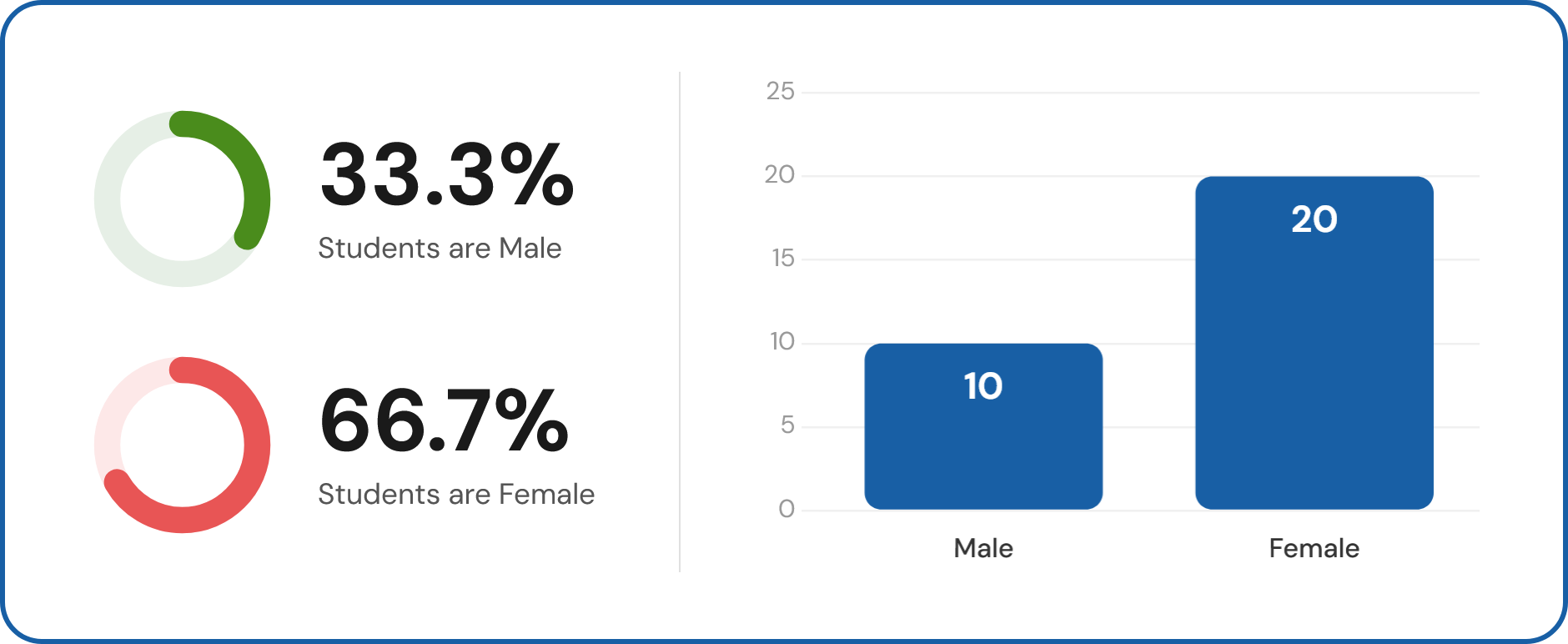
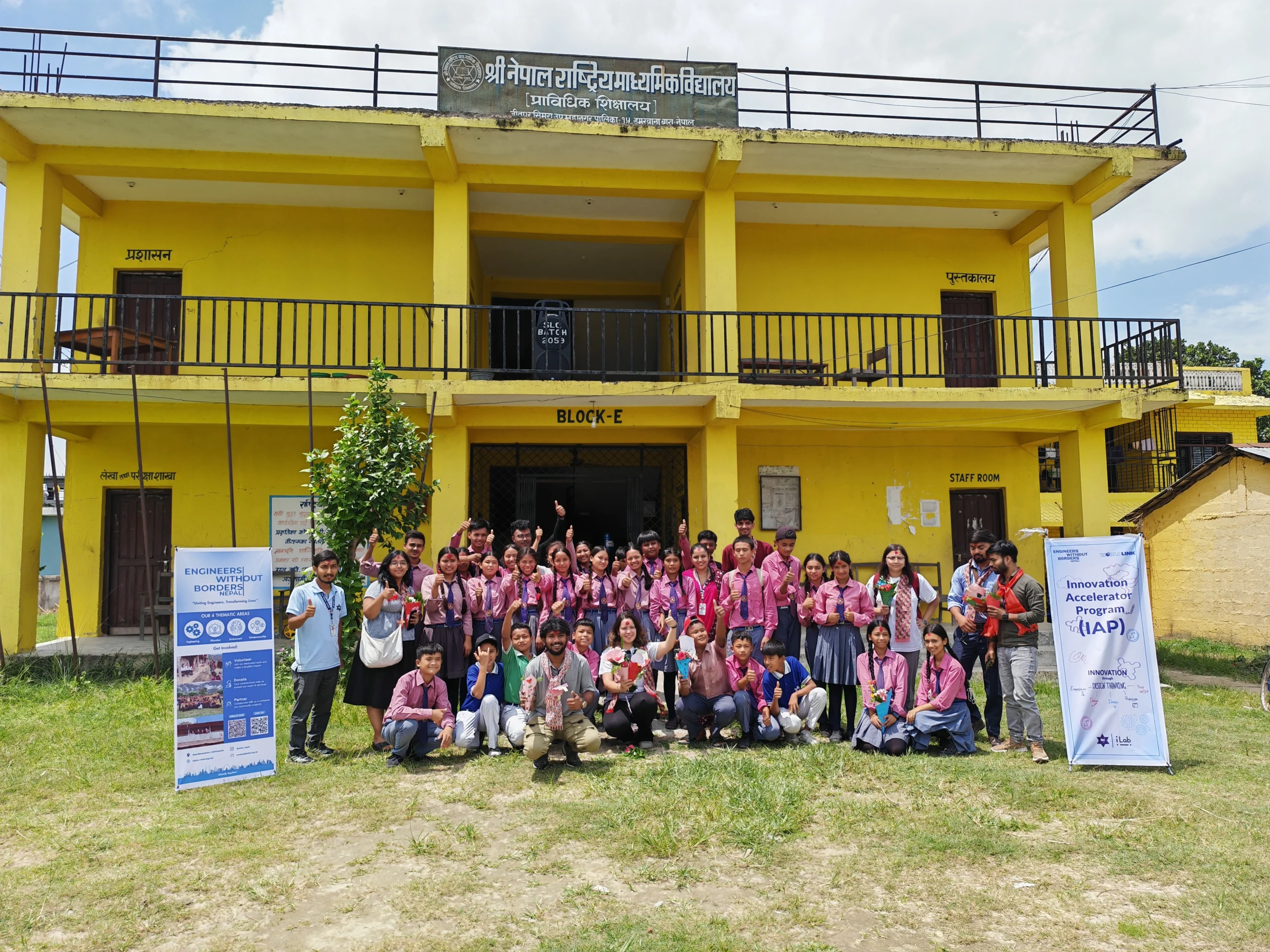
The i-Lab (Innovation Lab) pilot was implemented at Shree Roshi Secondary School, Roshi Municipality, to demonstrate how experiential, inclusive, and locally grounded learning can strengthen education outcomes in a community school context. The project established a school-based i-Lab makerspace and delivered a five-day Innovation Accelerator Program (IAP) for 30 students from Grades 7–9. Students worked in five teams across the themes of Education, Environment, Health and Sanitation, Tourism, and Agriculture.
The i-Lab model is designed as a direct response to systemic challenges. It shifts learning from rote memorization to hands-on making, and from copying to creating. By establishing a school-based makerspace, delivering a structured Innovation Accelerator Program grounded in design thinking and applied engineering, and providing post-program teacher support, the i-Lab embeds continuous innovation cycles within everyday school practice rather than one-time activities.
The pilot aligns closely with the School Education Sector Plan (2022–2032) by operationalizing its priorities at the school level. Specifically, it contributes to improved classroom practice, expanded experiential and project-based learning, strengthened inclusion and equity, and clearer linkages between education, skills, and employability.
iLab Maker-space Setup
An i-Lab makerspace was established within the school using available space and adaptable infrastructure. The makerspace was equipped with essential tools, materials, and low-cost resources to support hands-on experimentation, collaboration, and safe prototyping. A detailed list of tools and materials provided for the i-Lab ensured transparency and replicability of the setup.
Student Enterprise Groups
The five student teams worked under the thematic areas of Education, Environment, Health and Sanitation, Tourism, and Agriculture. Each team developed a student-led enterprise grounded in locally identified challenges within these themes.
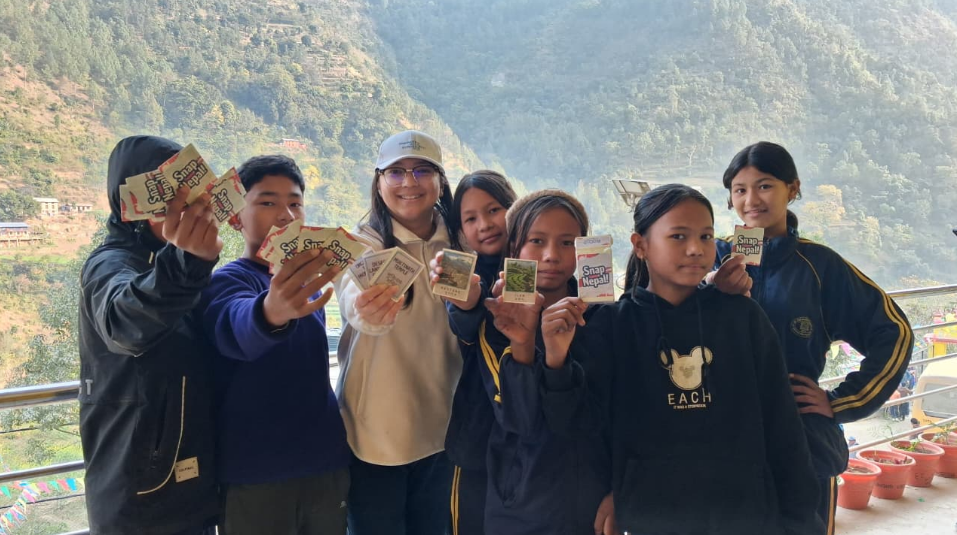
Tourism1. SNAP Nepal
Main problem
Despite Nepal being rich in tourist destinations, many people—especially students—lack awareness and understanding of these places. Tourism-related knowledge is often taught in a boring, purely informational way.
Solution
An interactive educational card game designed to increase awareness of Nepal’s major tourist destinations. Features cards with images and brief descriptions which players must correctly match during gameplay.
Key features
Health and Sanitation2. Jyaba Mask
Main problem
Roshi is highly prone to dust pollution from road excavation and landslides. However, regular use of surgical masks is limited due to cost, lack of reusability, and being perceived as unfashionable.
Solution
A reusable, sanitary face mask designed using local Tamang dress fabric. The name “Jyaba,” meaning “looking good” in Tamang, reinforces that health protection can be both functional and fashionable.
Key features
Education3. Jenglish Jenga
Main problem
Many students struggle to communicate confidently in English. The language is largely taught as an academic subject focused on examinations rather than as a practical, spoken language.
Solution
An interactive learning game using custom-designed Jenga blocks printed with conversation starters and response prompts. Each successful move requires players to ask and answer questions in English.
Key features
Environment4. Roshi Waste Recycle
Main problem
School surroundings are heavily polluted with plastic waste. In many cases, collected waste is burned in open pits, contributing to increased air pollution and significant health risks.
Solution
Introduces a “Waste Muda” (waste chair) made entirely from locally collected materials. The chair uses PET bottles tightly packed with waste paper and plastics, stabilized with sand and plywood.
Key features
Agriculture5. AgriSpray Rake
Main problem
Farmers manually separate clumps of soil and waste by hand, which is labor-intensive. Additionally, reliance on chemical fertilizers increases costs and poses environmental risks.
Solution
Developed a dual-purpose innovation: a low-cost Nail Broom for efficient soil preparation and “AgriSpray”—a natural fertilizer/insecticide made from the locally invasive Banmara plant.
Key features
Expected Outcome
Picture Gallery
EWB Nepal comprises a diverse community of volunteers, members, supporters, professionals, and academics. By making a contribution, you are supporting a global network of people passionate about using their engineering skills to solve humanitarian challenges.